The U.S. economy is expected to add just 41,500 jobs in October, a pace that would reinforce the view that hiring is cooling but not yet collapsing as businesses digest higher borrowing costs and softer demand.
U.S. October Payrolls Forecast at 41,500 Jobs

The consensus forecast for the Current Employment Statistics report points to nonfarm payroll growth of 41,500, up marginally from 29,000 in September, with the unemployment rate likely to stay the key market focus even if the headline gain leaves the labor market near stall speed. Manufacturing payrolls are projected to edge up 17,900 after 9,000 the prior month, while total private payrolls are seen increasing 41,700. Average workweek and wage trends will matter almost as much as the job count for investors trying to gauge whether the slowdown is becoming recessionary or simply normalizing.
Sentiment Indicators

That distinction matters because payroll growth is one of the clearest real-time gauges of U.S. domestic demand. A reading in the low tens of thousands would imply firms are still hiring, but only cautiously, consistent with a late-cycle economy in which employers are protecting margins and waiting for clearer signals on growth. For the Federal Reserve, a soft but positive report would support the case for keeping policy restrictive without needing to pivot aggressively, especially if wage gains continue to ease. For markets, it would likely keep Treasury yields sensitive to any downside surprise, while rate-cut expectations would rise if the report also shows softer hours worked or a higher jobless rate.
The composition of the expected gain also matters. Manufacturing payrolls are forecast to improve modestly, but not enough to suggest a broad industrial rebound. More importantly, services employment still appears to be doing most of the heavy lifting, which is consistent with a consumer economy that is slowing rather than breaking. If the actual figure comes in below forecasts, investors may read it as another sign that the labor market is absorbing the drag from tighter financial conditions and fading post-pandemic demand. If it comes in above, it would reduce immediate recession fears but also complicate the Fed’s path by keeping labor supply and demand tighter than expected.
Nonfarm Payrolls
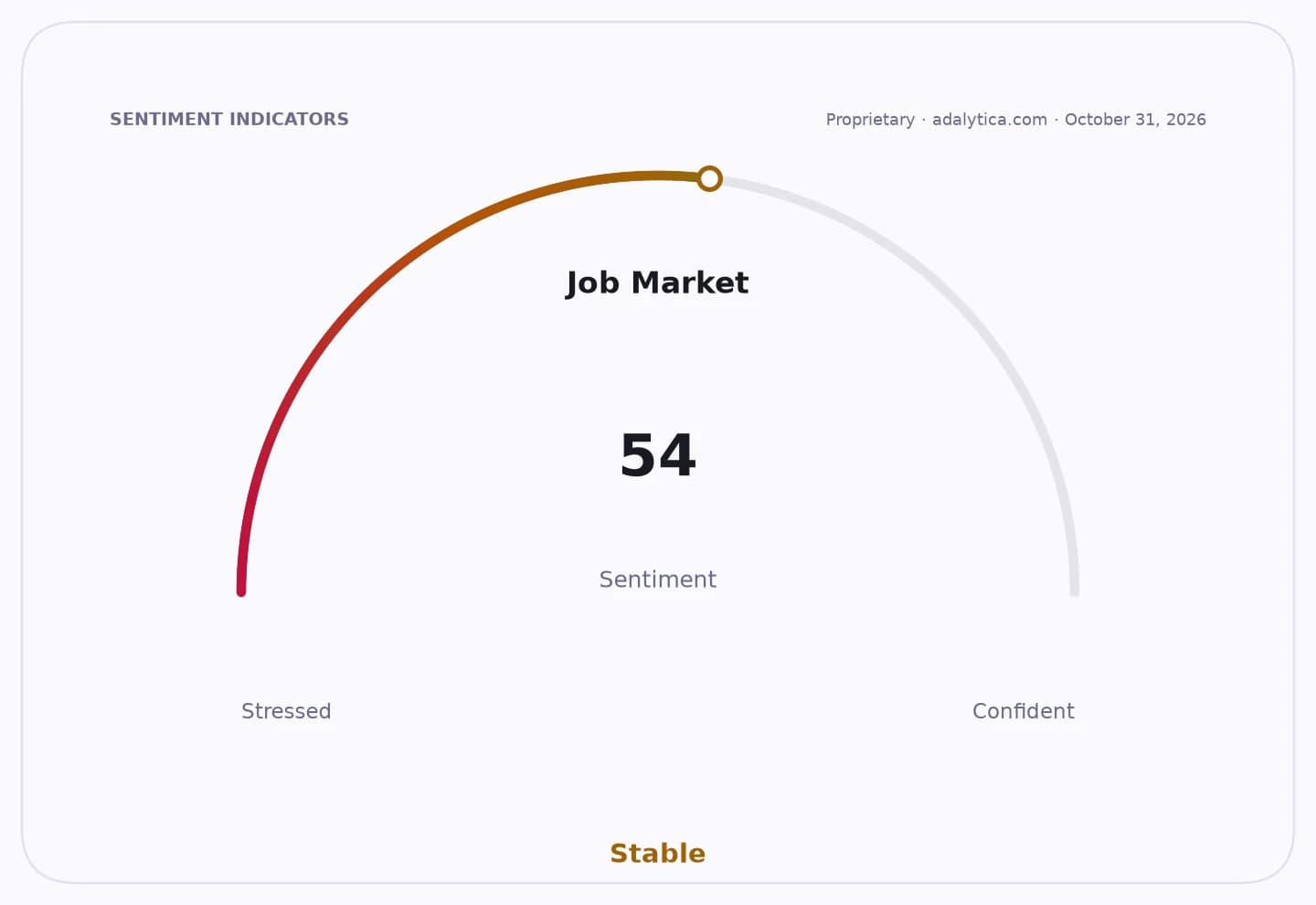
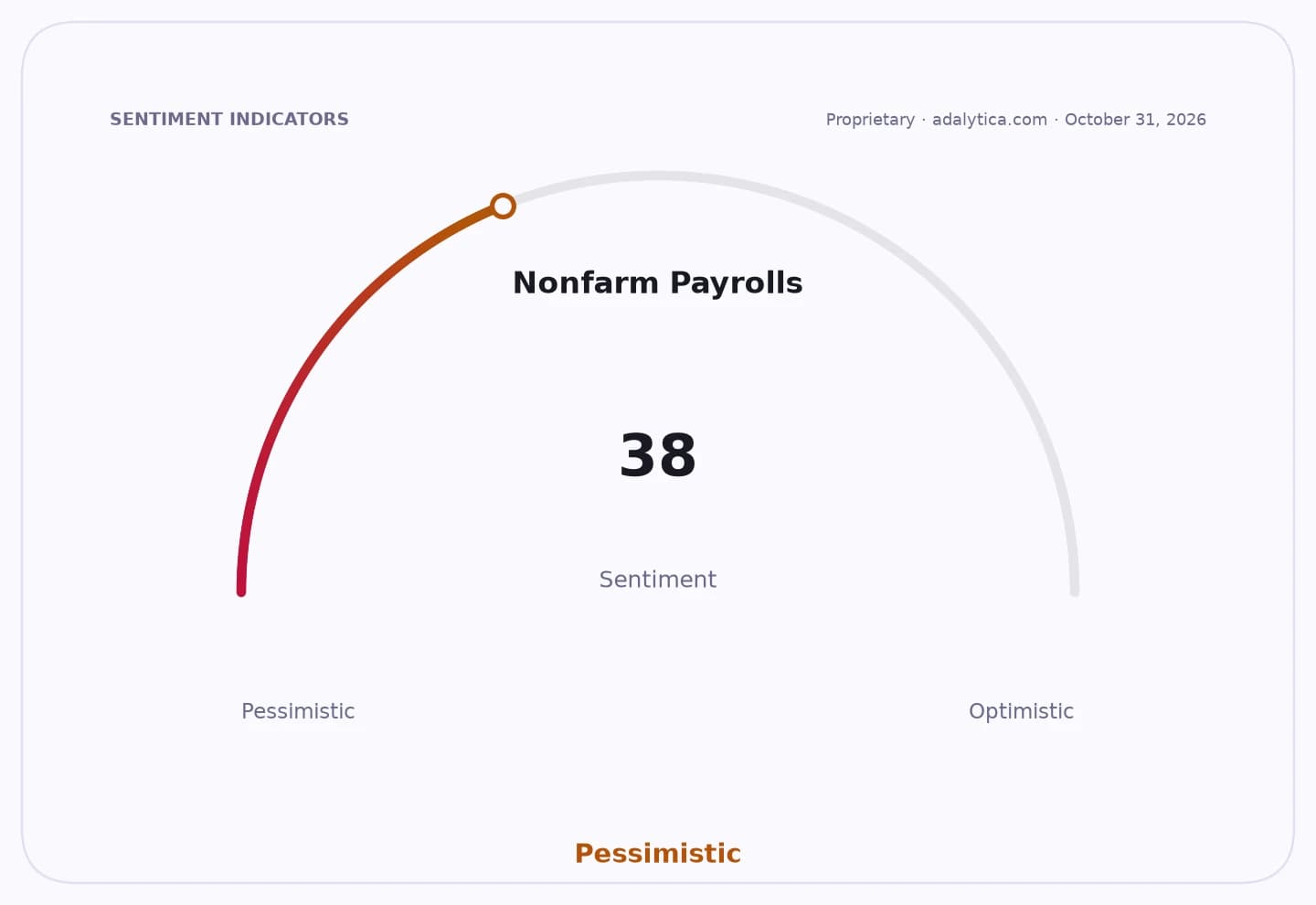
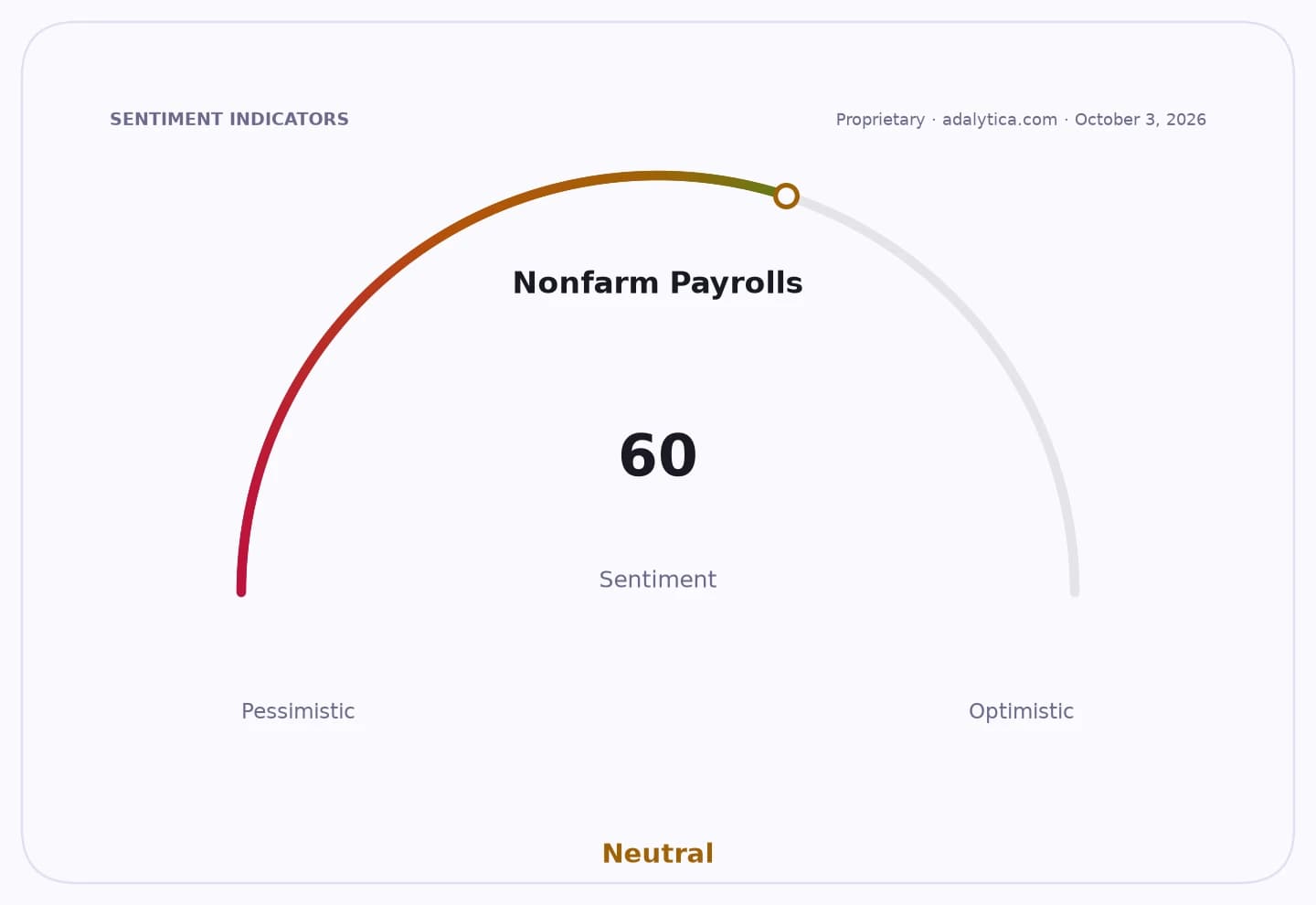
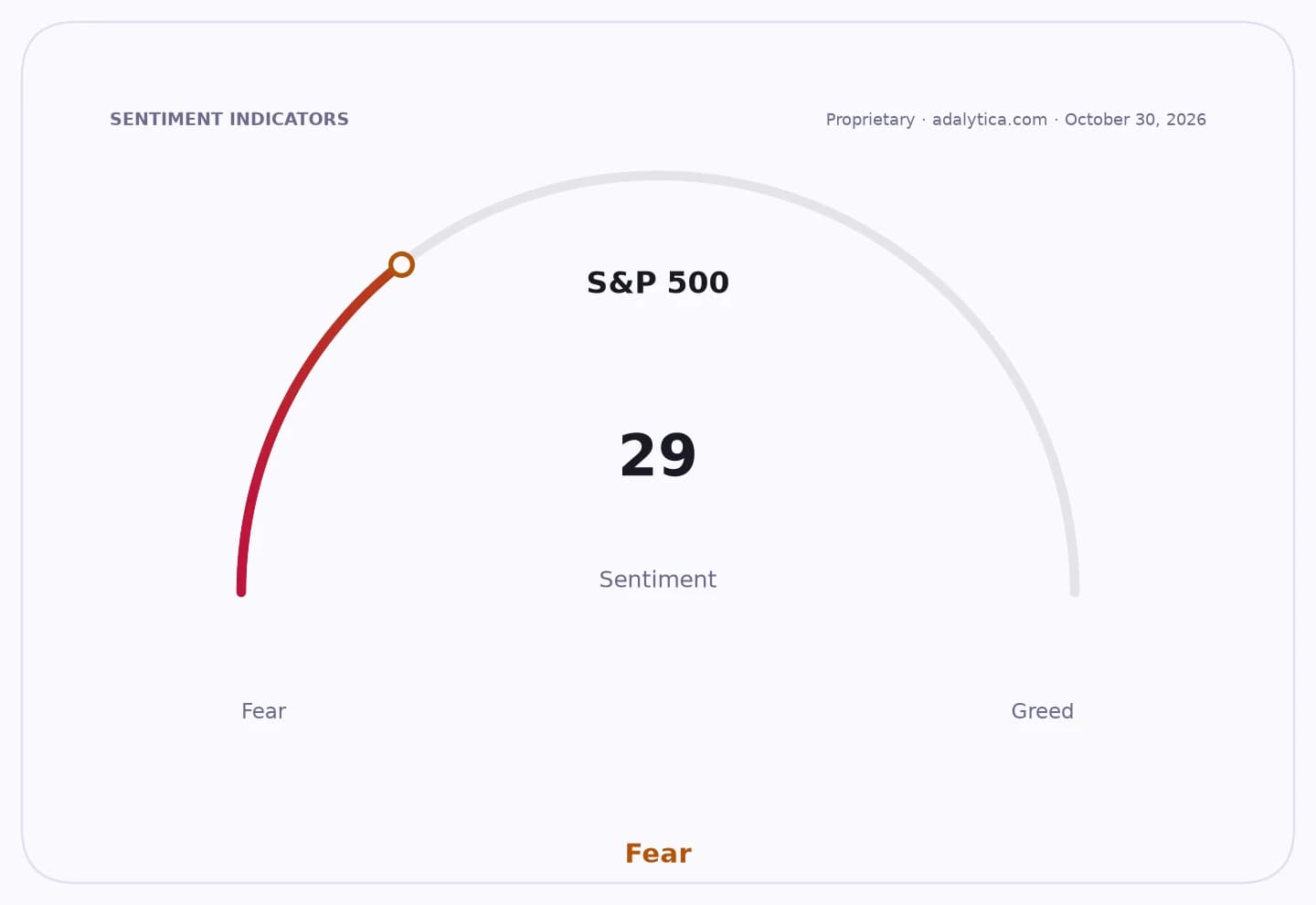
Adalytica’s Nonfarm Payrolls Sentiment gauge is already reading 87, or “Extreme Greed,” which suggests positioning may be leaning toward a relatively benign outcome. At the same time, its Job Market Sentiment is only 29, labeled “Fear,” underscoring the fragility of expectations around the labor backdrop. That split leaves room for an outsized market reaction if the report deviates from the consensus.
For investors, the bigger message from CES is not the monthly headline alone, but whether payroll growth remains positive enough to avoid a hard landing while weak enough to justify easier monetary policy later. The next catalyst is the full jobs release: payrolls, unemployment, wages and hours together will determine whether October marks another step in a gradual cooling or the start of a sharper labor-market deterioration.
| Entity | Gains | Losses |
|---|---|---|
| U.S. workers | ▲Still-available hiring | ▼Faster labor cooling |
| Employers | ▲Easier wage pressure | ▼Slower demand cushioning |
| Fed officials | ▲Lower inflation risk | ▼Weaker jobs momentum |
| Treasury bulls | ▲Lower-yield bias | ▼Hotter-than-expected payrolls |