Russia has sharpened its nuclear rhetoric around the war in Ukraine, with former president Dmitry Medvedev saying Vladimir Putin could use nuclear weapons if Moscow judged the country to be in danger.
Russia nuclear rhetoric raises Ukraine escalation risk
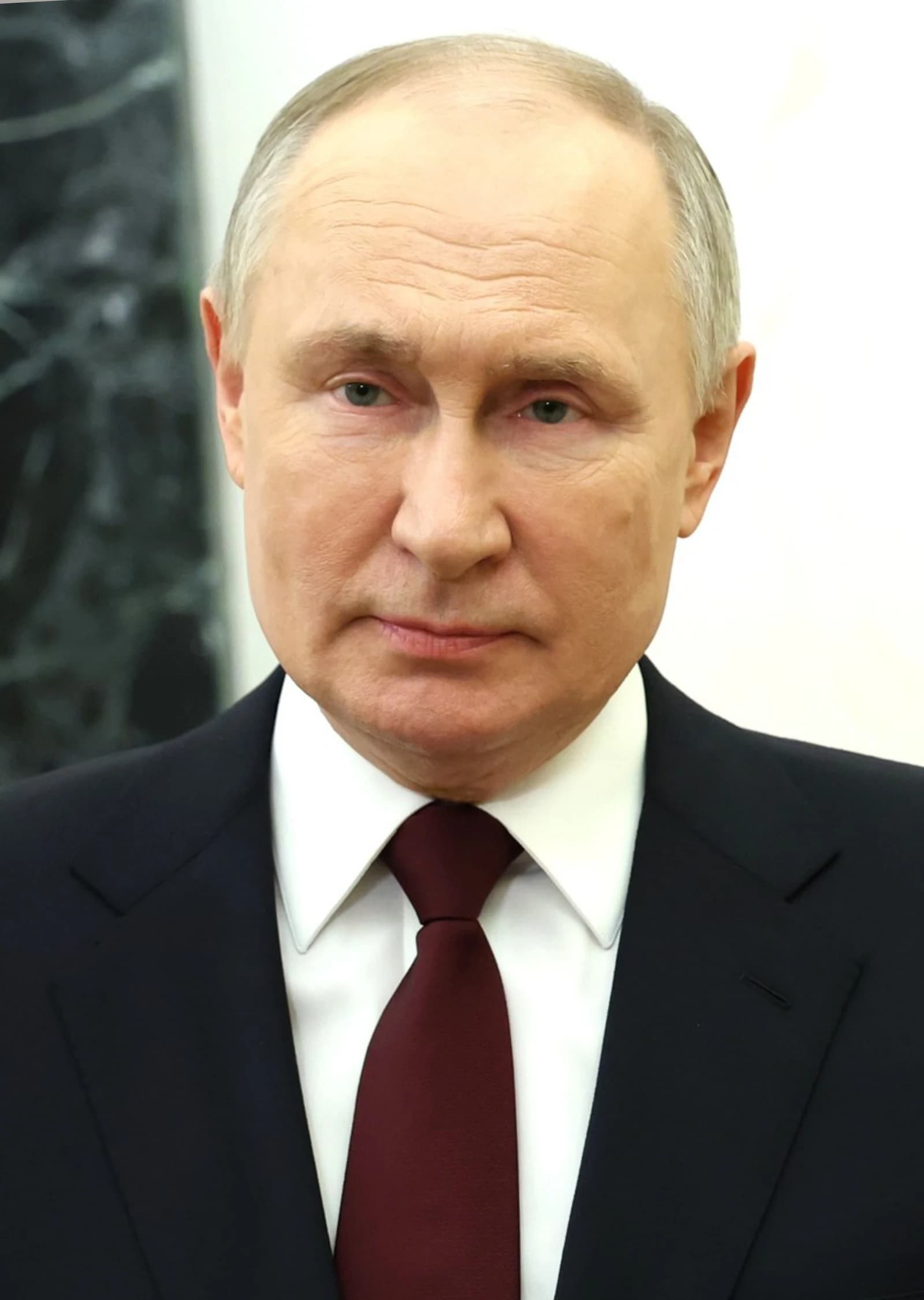
That matters because the warning reinforces a long-running Kremlin strategy of raising the perceived cost of Western support for Kyiv, while also underscoring how the war continues to carry a tail risk that can move energy, defense and haven assets well beyond the battlefield. Medvedev’s comments, published in a Russian legal journal, do not signal an imminent change in policy, but they do keep alive the possibility of escalation at a time when investors are already sensitive to geopolitical shocks.
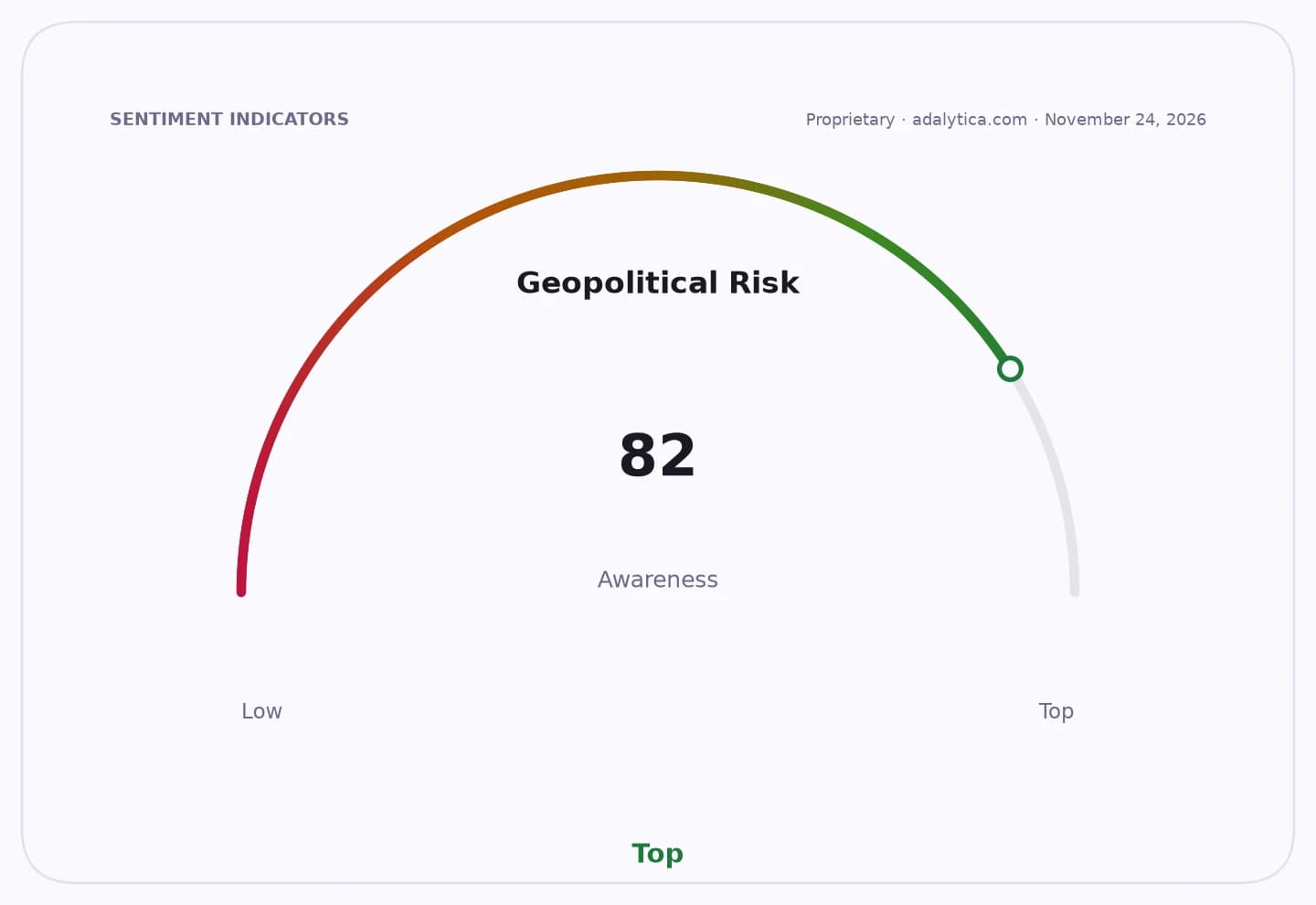
Sentiment Indicators
Geopolitical Risk
Medvedev said Russia had not used nuclear weapons in Ukraine only because it had not yet found it necessary, and argued that the decision would ultimately depend on Putin’s assessment of the overall damage and the proportionality of any response. He said the use of conventional weapons that caused “catastrophes” could, in Moscow’s view, justify a preventive nuclear strike, and suggested that any covert Western transfer of nuclear arms to Kyiv would cross a red line.
The remarks are significant because they restate and widen Russia’s threshold language at a moment when the conflict has become normalized in markets, even as the strategic risk has not gone away. For governments, they are another attempt to deter deeper military assistance for Ukraine by threatening consequences that would be hard to calibrate. For investors, they are a reminder that headlines around nuclear escalation can still trigger abrupt moves in oil, gold, defense shares and broader risk sentiment.
Geopolitical Risk — 30-day sentimentadalytica.com
Explore this data interactively — full history, time series and cross-market comparisons.
Geopolitical Risk
The market impact is most visible in havens. Gold has already been drawing demand as geopolitical anxiety rises: GLD closed at 327.45 on Nov. 25 after a sharp retreat from earlier peaks, while the fund’s daily technicals showed an RSI of 22.5 and the price still well below its 50-day moving average of 371.04, a sign of strained but potentially oversold conditions. Adalytica’s Gold Fear & Greed Index put sentiment at 21, or “Fear,” even as awareness remained elevated at 89, suggesting investors are highly attuned to the story.
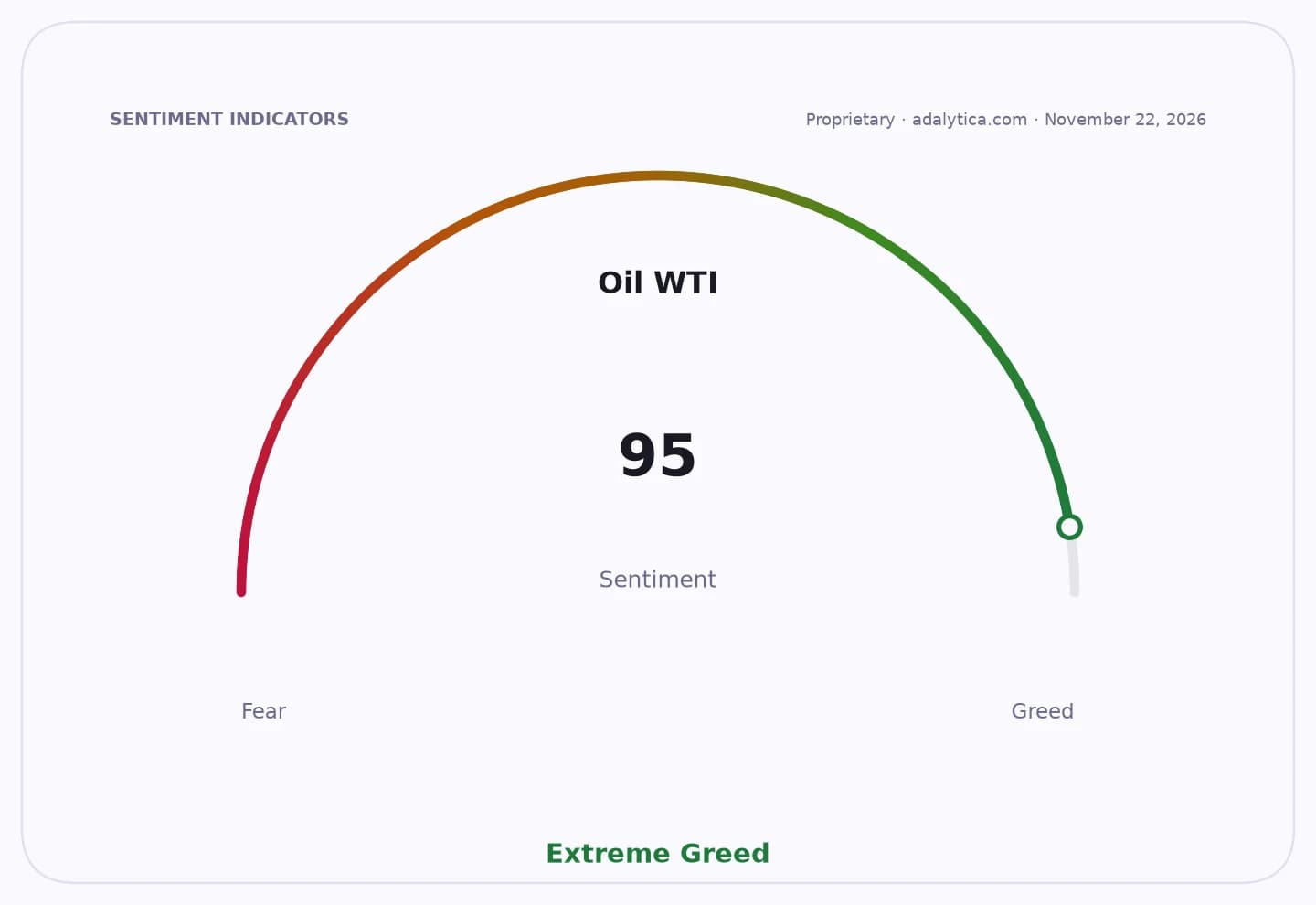
Energy remains the other obvious transmission channel. USO rose to 139.89 on Nov. 25 after trading down to 133.36 two sessions earlier, but it too remains below its 50-day average of 150.35, indicating the market is still pricing in meaningful macro and supply uncertainty rather than a clean resolution of war risk. Any fresh escalation in the Russia-Ukraine conflict would revive concerns about crude flows, sanctions enforcement and the security premium embedded in oil.
The broader geopolitical backdrop is one of deteriorating stability. Adalytica’s Global Stability Sentiment dropped to 4, labeled “Extreme Fear,” with awareness at 82, reflecting how quickly markets have become more sensitive to conflict headlines. That kind of backdrop tends to support defensive positioning, even if the immediate reaction to a single statement is brief.
For now, Medvedev’s warning is best read as coercive signaling rather than a policy shift. But it keeps one of the war’s most dangerous contingencies in view, and that makes it relevant for investors who need to price not only the next battlefield update, but the chance that nuclear rhetoric itself becomes a market event.
| Entity | Gains | Losses |
|---|---|---|
| Russia/Kremlin | ▲Deterrence leverage | ▼Diplomatic credibility |
| Ukraine and Western allies | ▲None | ▼Higher escalation risk |
| Gold/haven assets | ▲Safe-haven demand | ▼Limited, if tension fades |
| Oil and defense sectors | ▲Risk premium support | ▼Suffer if panic eases |