Russia’s parliamentary election in occupied Ukrainian territory is less about ballots than about power: the Kremlin is trying to turn battlefield gains into a political fact, even as Kyiv and Western governments reject the vote as illegal.
Russia occupied Ukraine vote and gold safe-haven demand
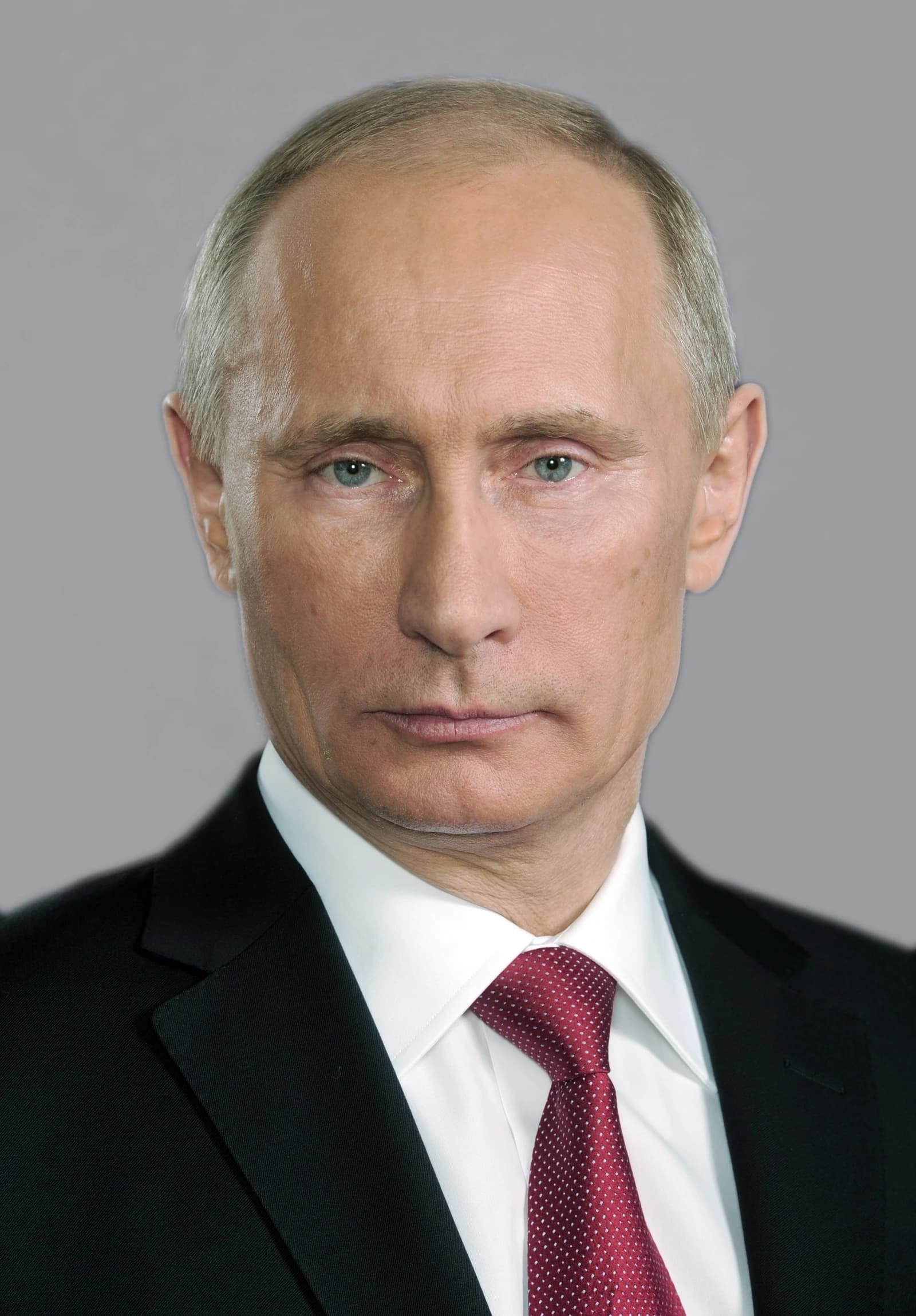
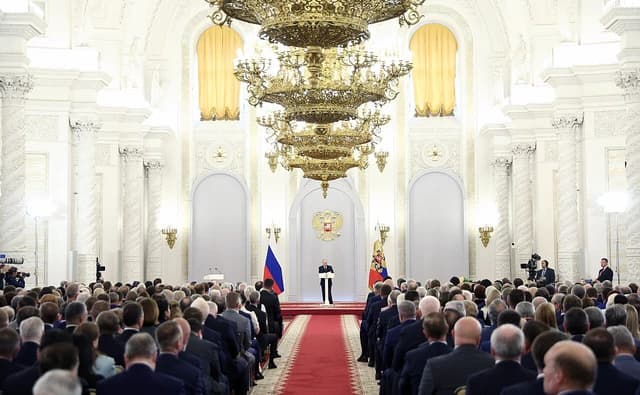
That matters because the election is part of Moscow’s broader effort to normalize control over the Donetsk, Luhansk, Kherson and Zaporizhzhia regions, which Russia says have more than 3.5 million voters. By folding those areas into the State Duma vote for the first time, President Vladimir Putin is signaling that the annexations are not temporary wartime bargaining chips but territory he wants treated as part of Russia.
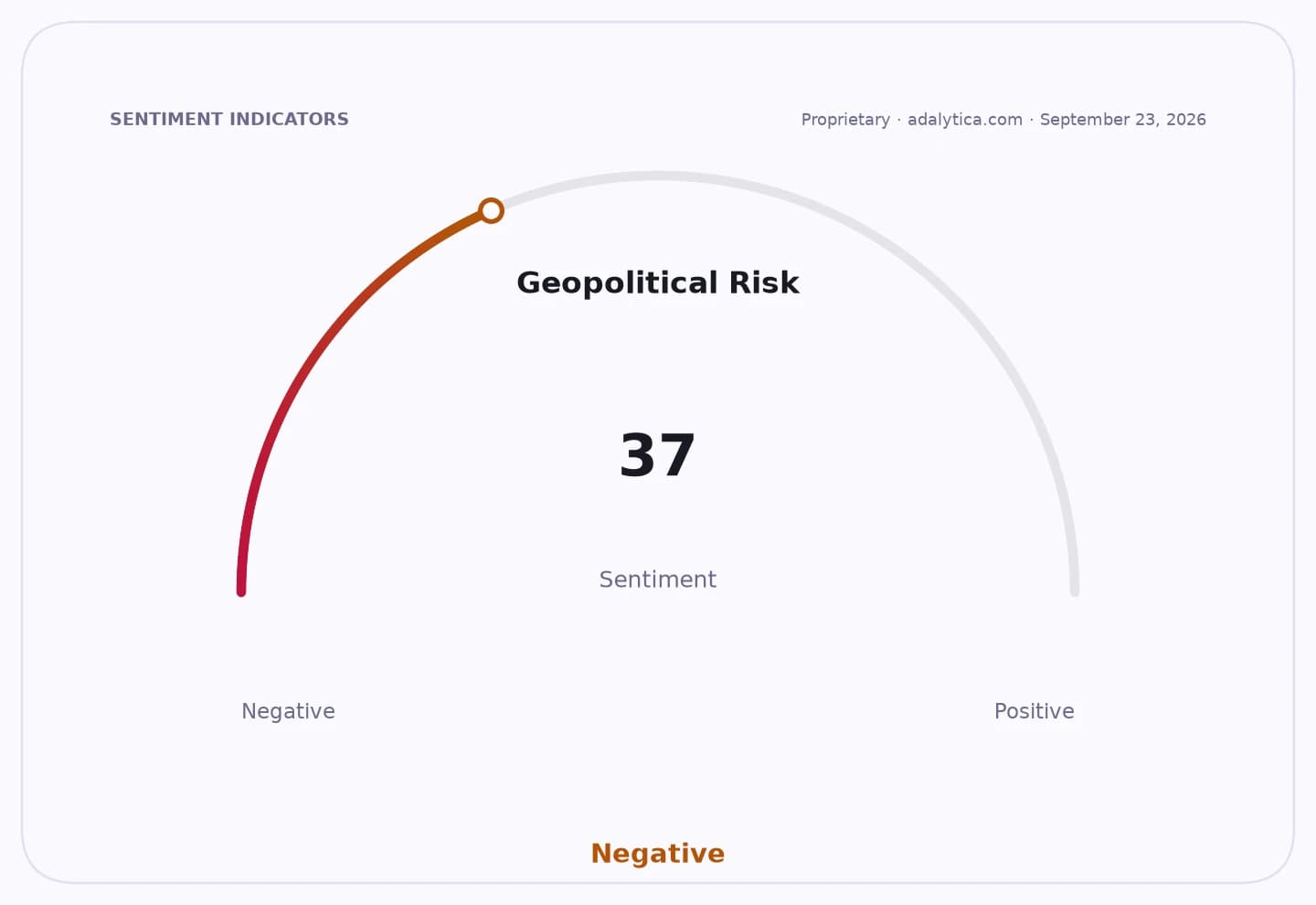
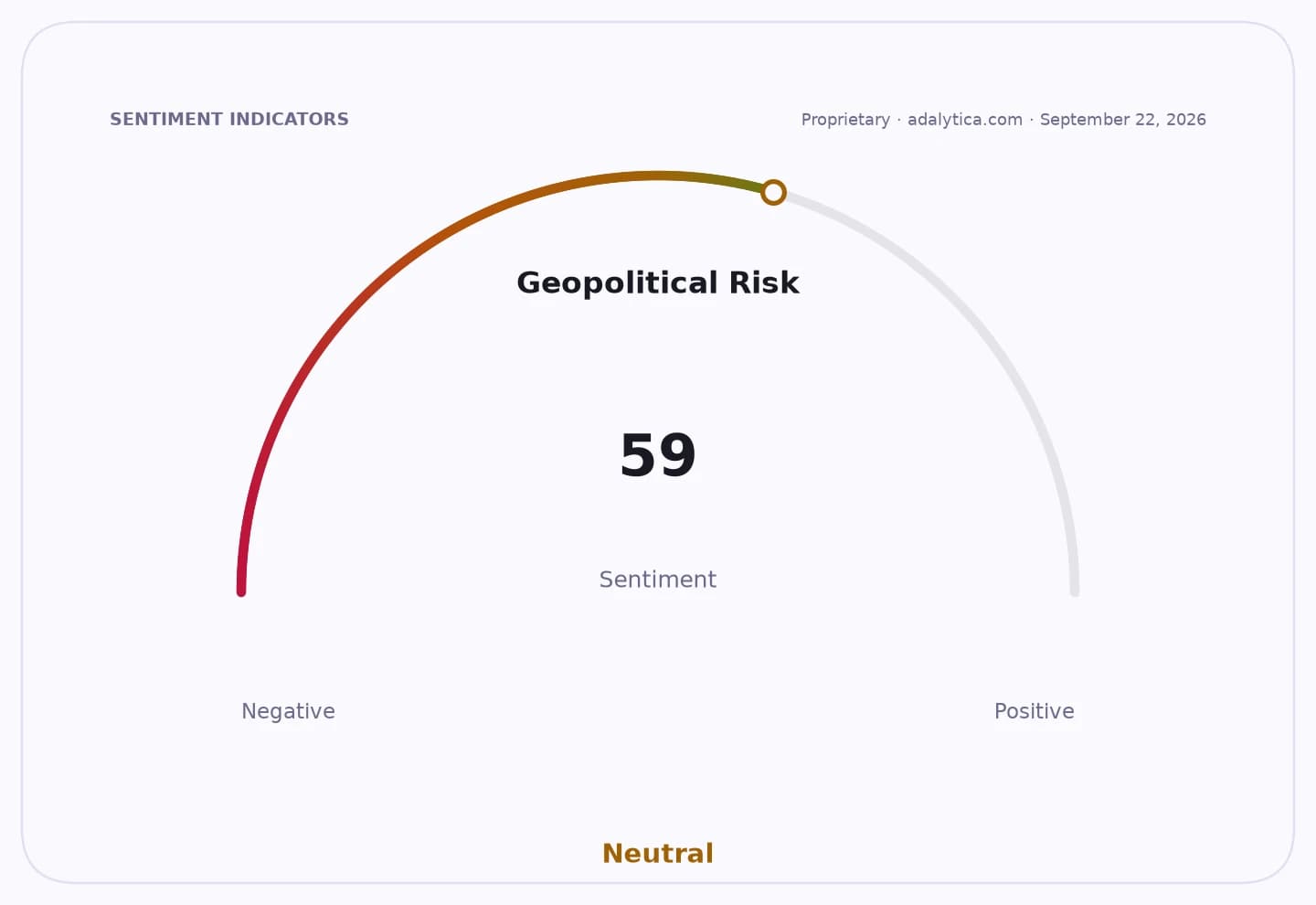
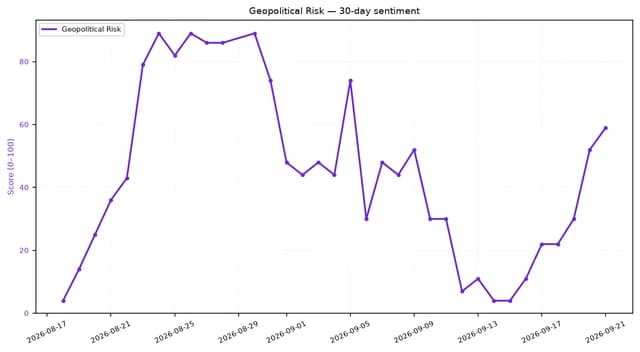
For investors, the story is a reminder that the war remains a durable geopolitical risk, not a fading headline. Occupied territory voting does not change the military balance, but it does harden positions, complicate any peace process and increase the odds of prolonged sanctions, energy-market volatility and periodic risk-off moves in global assets. In that sense, the vote reinforces the premium investors keep paying for gold and other defensive havens when the geopolitical backdrop deteriorates. Adalytica’s Gold Fear & Greed Index sits at 85, a level classified as greed, even as broader global-stability sentiment remains only neutral, underscoring how conflict risk can keep demand for safe assets elevated.
The mechanics of the vote also matter. Balloting has been stretched over several days, with voting already underway in the occupied regions and in parts of Russia near the border, which officials say is for security reasons. But rights activists say the extended process masks coercion, including house-to-house voting under armed escort and pressure on public-sector workers, pensioners and others who depend on state support. That makes the election look less like democratic participation and more like a loyalty test in a war zone.
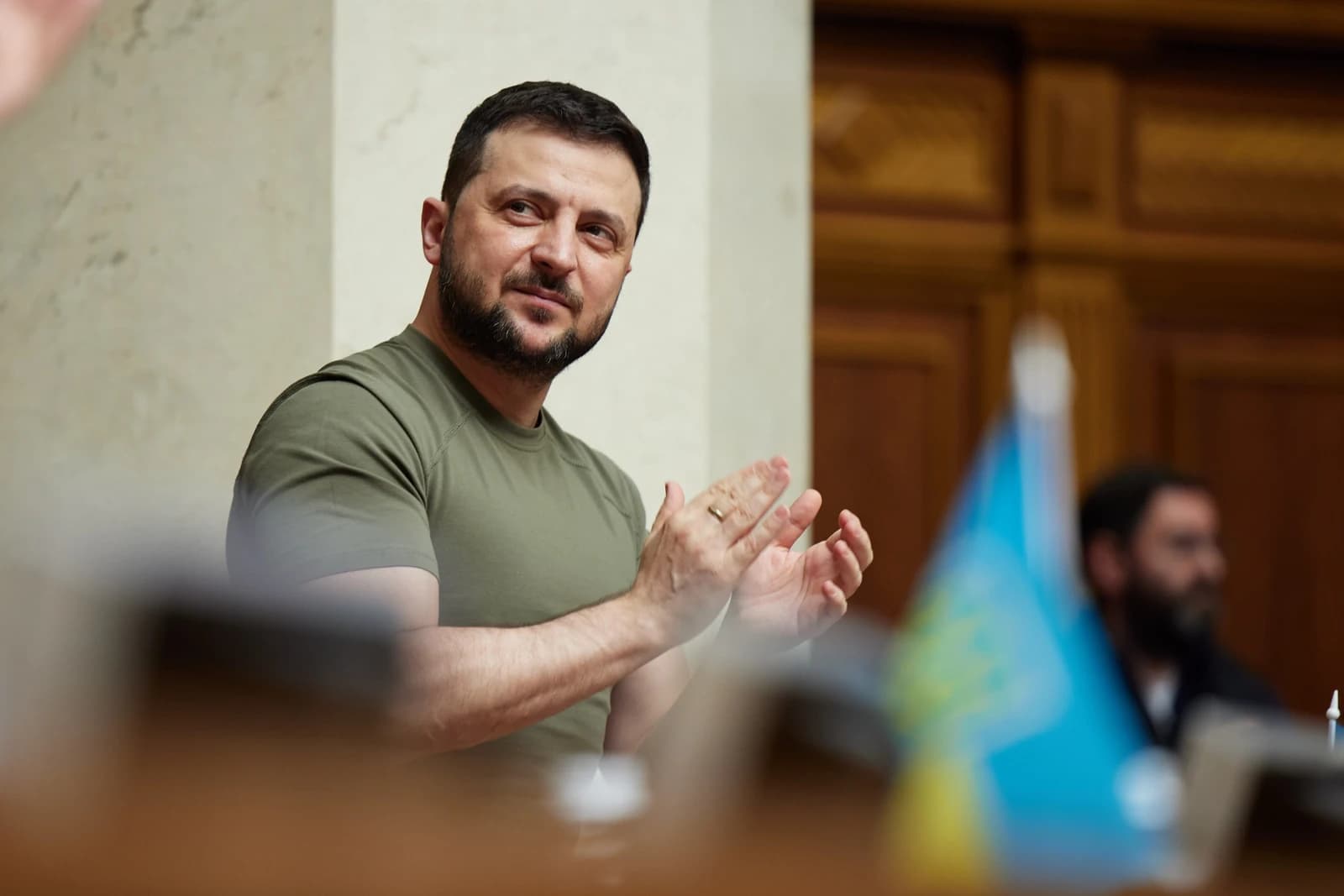
Ukraine’s response was predictable and important: it urged foreign governments not to recognize the result and warned that participation could carry criminal liability. The European Commission echoed that line, calling the vote a blatant violation of international law. That keeps the occupied territories in the center of the diplomatic fight and makes clear that the West will not treat the election as a legitimate basis for sovereignty.
For long-term investors, the main takeaway is not to expect immediate market shock from the vote itself, but to recognize what it says about the war’s path. Moscow is still investing political capital in entrenching control, and that raises the odds of a drawn-out conflict rather than a quick settlement. In markets, drawn-out conflicts usually favor patience, diversification and a tilt toward assets that can weather higher geopolitical noise. This remains a story to watch, not because it changes earnings today, but because it helps define the investment climate for years.
| Entity | Gains | Losses |
|---|---|---|
| Kremlin | ▲Political control | ▼International legitimacy |
| Occupation authorities | ▲Apparent mandate | ▼Credibility |
| Ukraine | ▲Diplomatic support | ▼Territorial sovereignty |
| Gold and defensive assets | ▲Safe-haven demand | ▼Risk-on appetite |