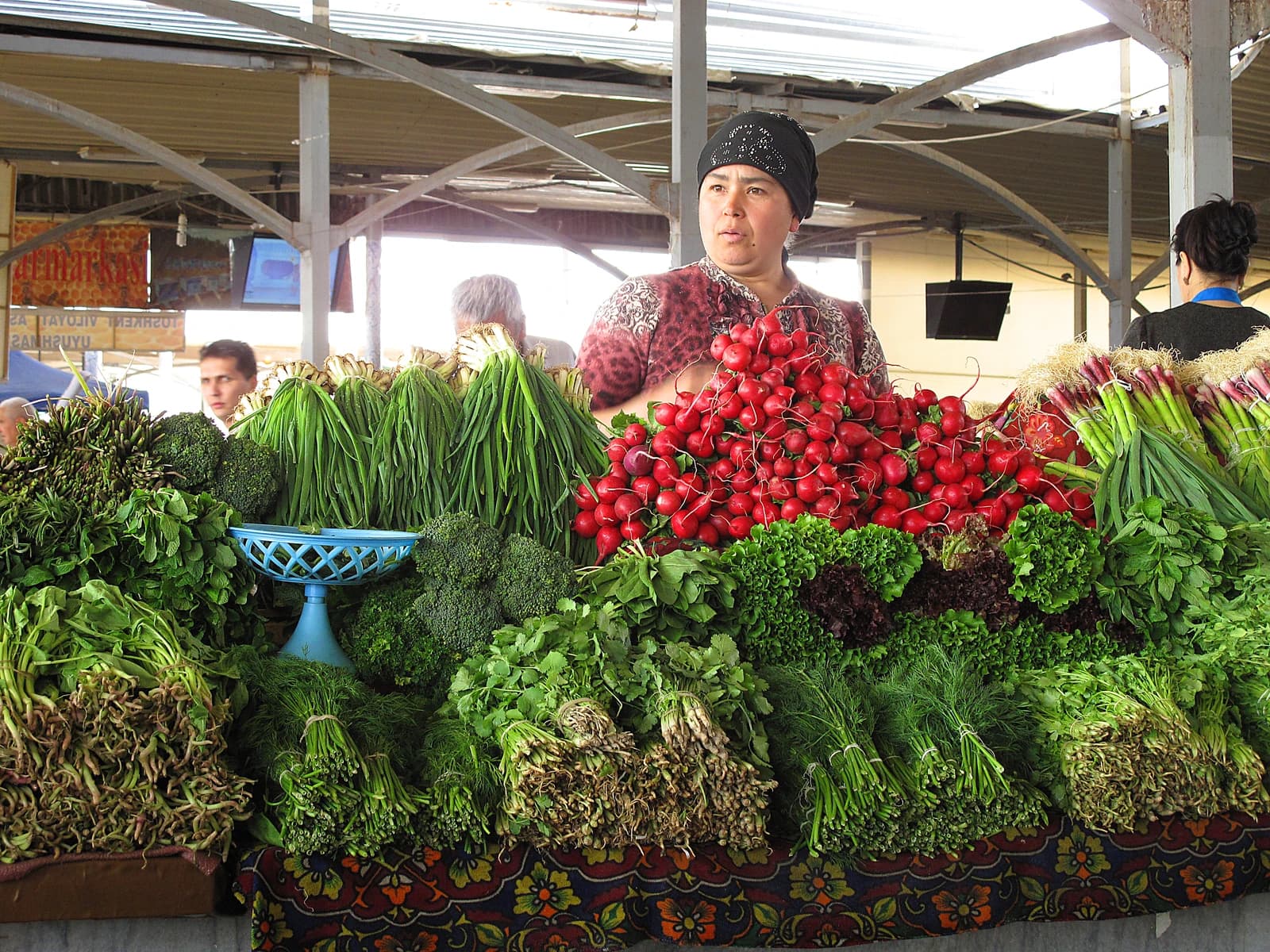
Russia’s potato prices fell 12.3% over the month as the seasonal harvest flood reduced wholesale and retail vegetable prices, reinforcing a broader easing in food inflation that matters for household spending and the inflation outlook.
Russia Potato Prices Fall 12.3% in September
The Agriculture Ministry said the producer price of potatoes dropped to 26.3 rubles a kilogram as of Sept. 2, while consumer prices for potatoes were down 16.5%. Carrots fell 12.6%, white cabbage 16.4%, onions 8.2% and table beets 11.8%, with wholesale tomato prices also down 10%. The ministry said prices should decline further as more supply reaches the market.
For Russia’s economy, the shift is significant because food carries heavy weight in consumer inflation, and vegetables are among the most volatile components. A broad drop in produce prices can help ease pressure on household budgets, particularly after periods when food inflation has outpaced wages in real terms. It also gives policymakers and retailers more room to absorb costs elsewhere in the supply chain.
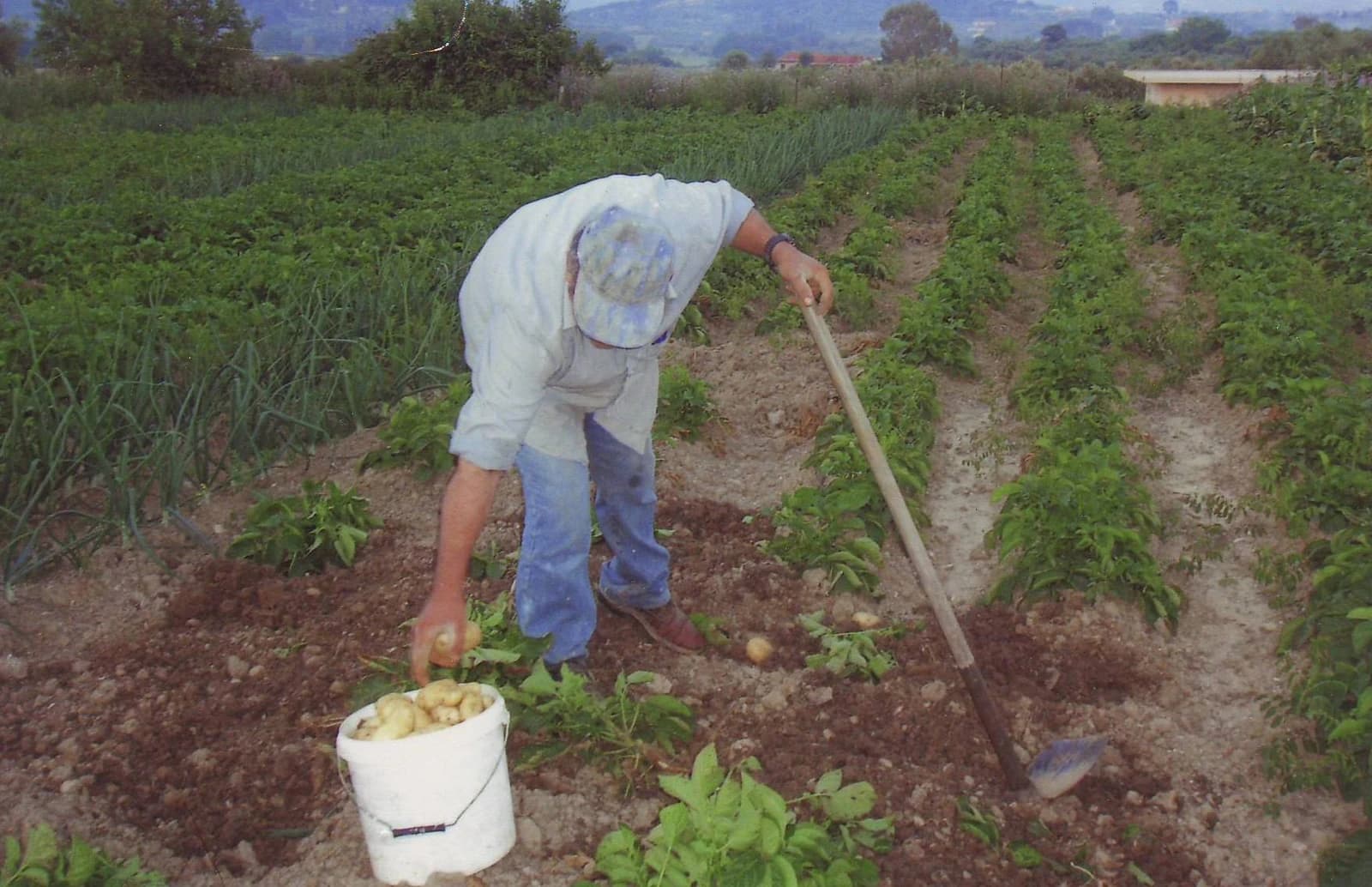
The ministry said harvesting was under way in almost all regions and that about 1.6 million tons of open-field produce had been collected as of Sept. 7, in line with the same period last year. It added that Russia harvested 7.6 million tons of vegetables and 8.5 million tons of potatoes in 2025, putting the country close to food-security self-sufficiency targets for vegetables and above the threshold for potatoes.
That matters for investors because softer food prices can influence inflation expectations, monetary policy and consumer demand. Lower grocery bills can support discretionary spending, while a more abundant domestic crop reduces the risk of import dependence and supply shocks. The main upside risk is weather: the ministry said early conditions were difficult, and any disruption to late-season harvesting or storage could slow the pass-through from field prices to retail shelves.
For agribusinesses, the price drop is a double-edged move. Consumers, retailers and food processors benefit from cheaper inputs, but growers face weaker margins if supply keeps rising faster than demand. The next test will be whether the harvest continues to expand into autumn enough to sustain lower prices without squeezing farm profitability too sharply.
| Entity | Gains | Losses |
|---|---|---|
| Consumers | ▲Lower grocery bills | ▼None |
| Retailers | ▲Easier price pass-through | ▼Margin pressure on vegetables |
| Farmers / growers | ▲Better volumes if output holds | ▼Lower selling prices |
| Russian inflation outlook | ▲Slower food-price pressure | ▼Limited relief if weather disrupts supply |