Russia will let working parents with two or more children claim an annual personal income tax rebate from 2026, with families of four able to recover up to 94,500 rubles a year and larger households eligible for even bigger refunds.
Russia tax rebate for parents with two or more children
The move is the clearest part of a broader policy push to ease the cost of raising children and support labor-force participation at a time when household budgets remain under strain. For the government, the rebate is a targeted fiscal transfer that is cheaper and more direct than across-the-board tax cuts, while also reinforcing demographic policy by rewarding larger families.
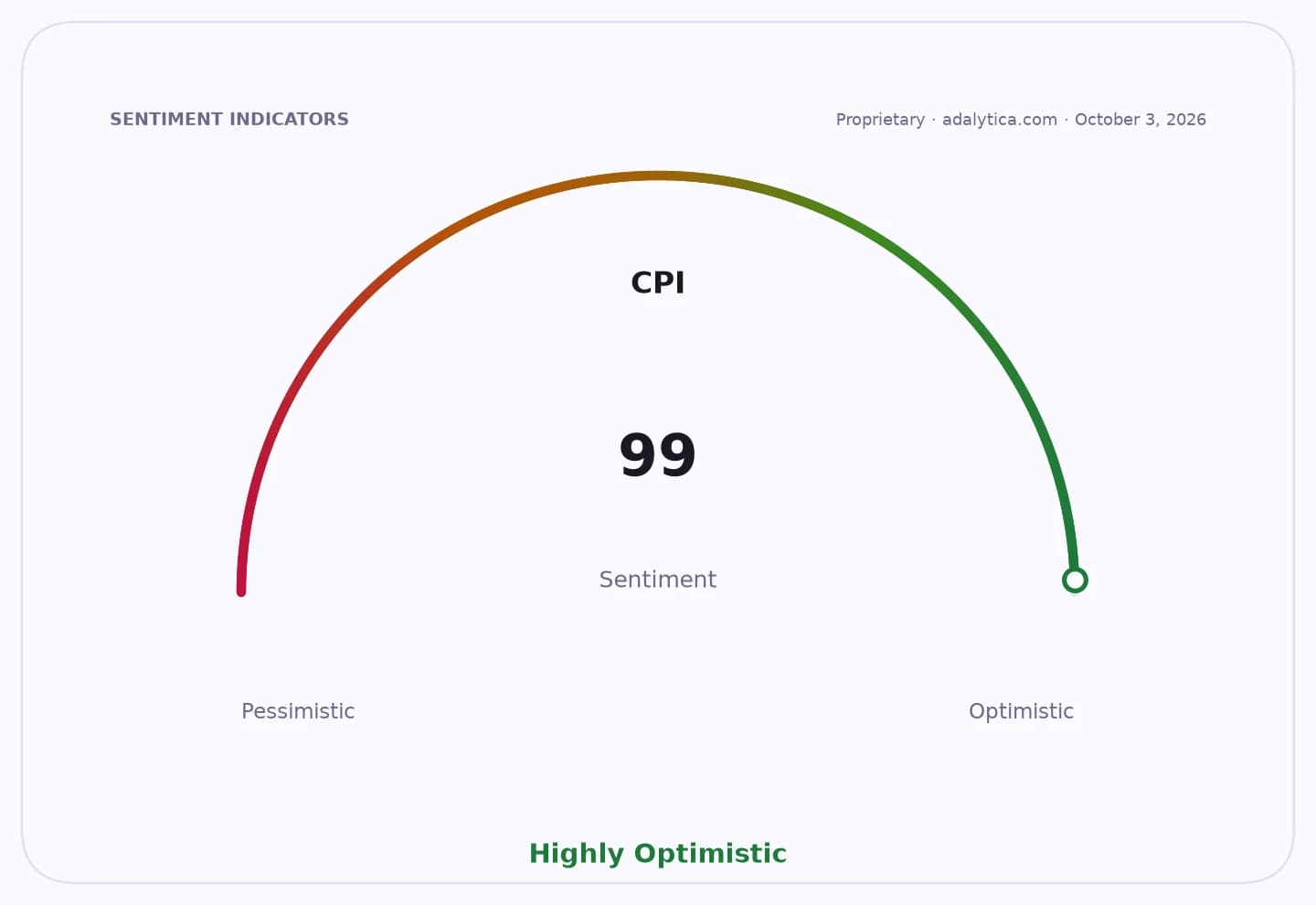
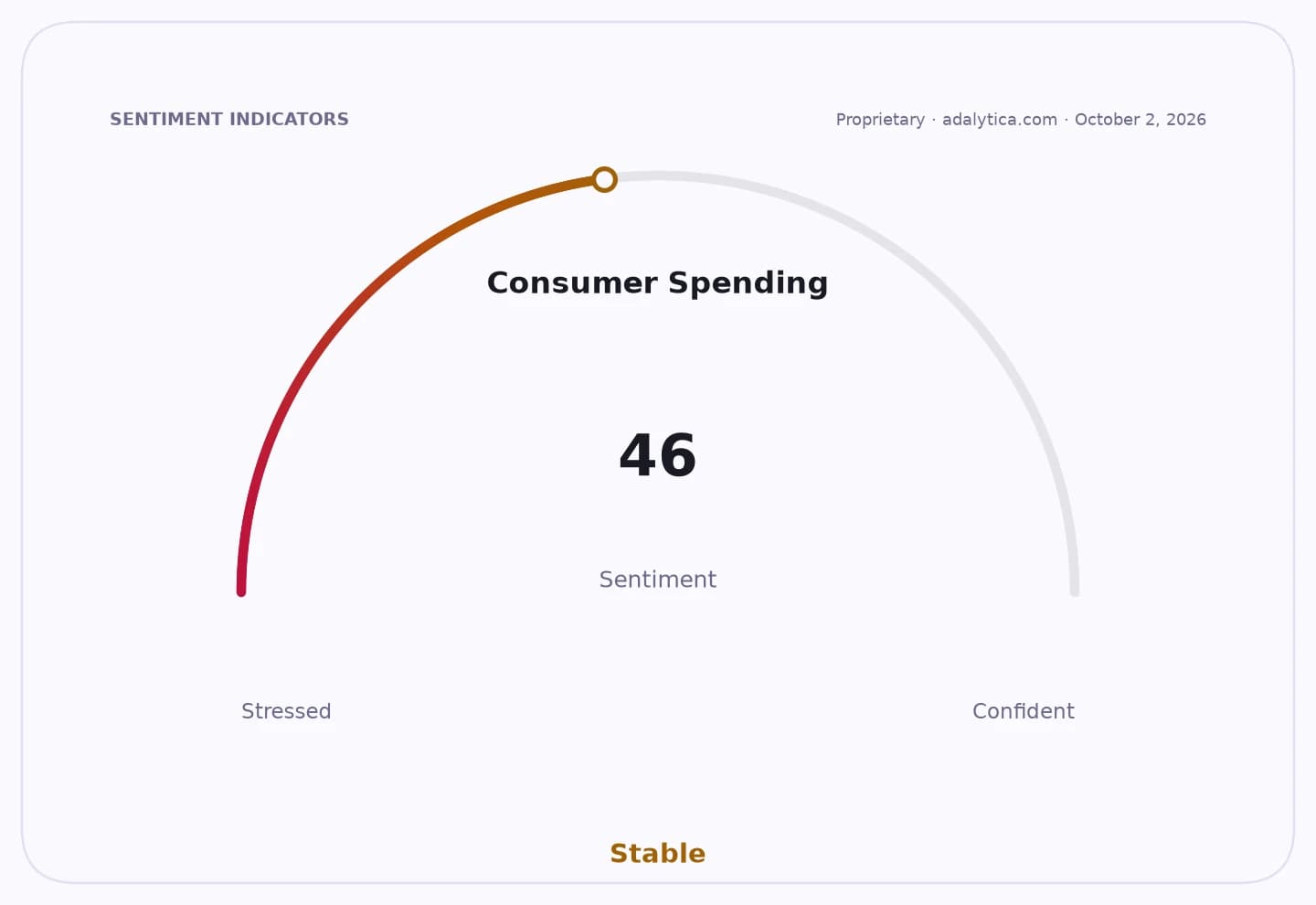
For investors and businesses, the measure matters because it can modestly lift disposable income, especially in consumer-facing sectors that depend on household spending. Retailers, food producers and service providers could see a small but broad-based benefit if eligible families spend part of the refund rather than save it.
The policy also adds another layer to Russia’s evolving tax landscape, where households and companies have been navigating changes in withholding, property taxes and enforcement. That broader tax churn can improve budget collections in some areas while increasing uncertainty for taxpayers and raising the importance of clear implementation rules.
The key question now is how quickly the rebate is rolled out and whether the eligibility and filing process are simple enough to make the benefit meaningful in practice. Any administrative friction would blunt the immediate economic impact, while a smooth rollout could provide a modest boost to consumption heading into 2026.
| Entity | Gains | Losses |
|---|---|---|
| Working parents of 2+ children | ▲Higher disposable income | ▼Smaller tax bills |
| Consumer retailers | ▲Potential spending lift | ▼Little direct downside |
| Russian government | ▲Family-policy support | ▼Foregone tax revenue |
| Tax collectors/administrators | ▲Clearer policy framework | ▼More filing complexity |