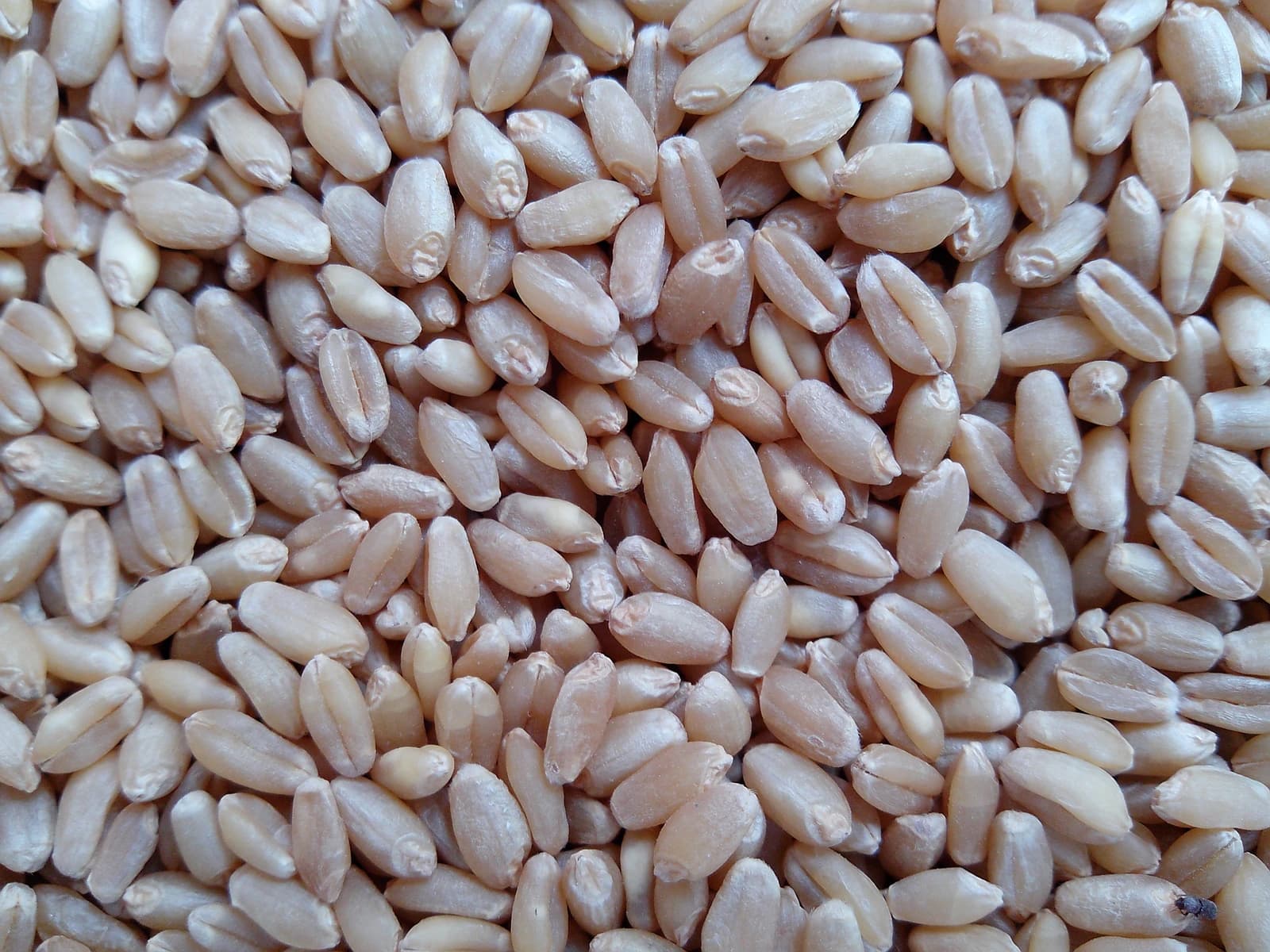
Russia’s wheat export outlook is getting smaller, and that matters because the country remains the single most important swing supplier in the global grain trade. IKAR’s reduction of its 2026/27 export forecast to 39.5 million tonnes points to tighter availability from the Black Sea at a time when buyers are already facing elevated food-price pressure and uncertain trade routes.
Russia wheat export forecast cut to 39.5 million tonnes
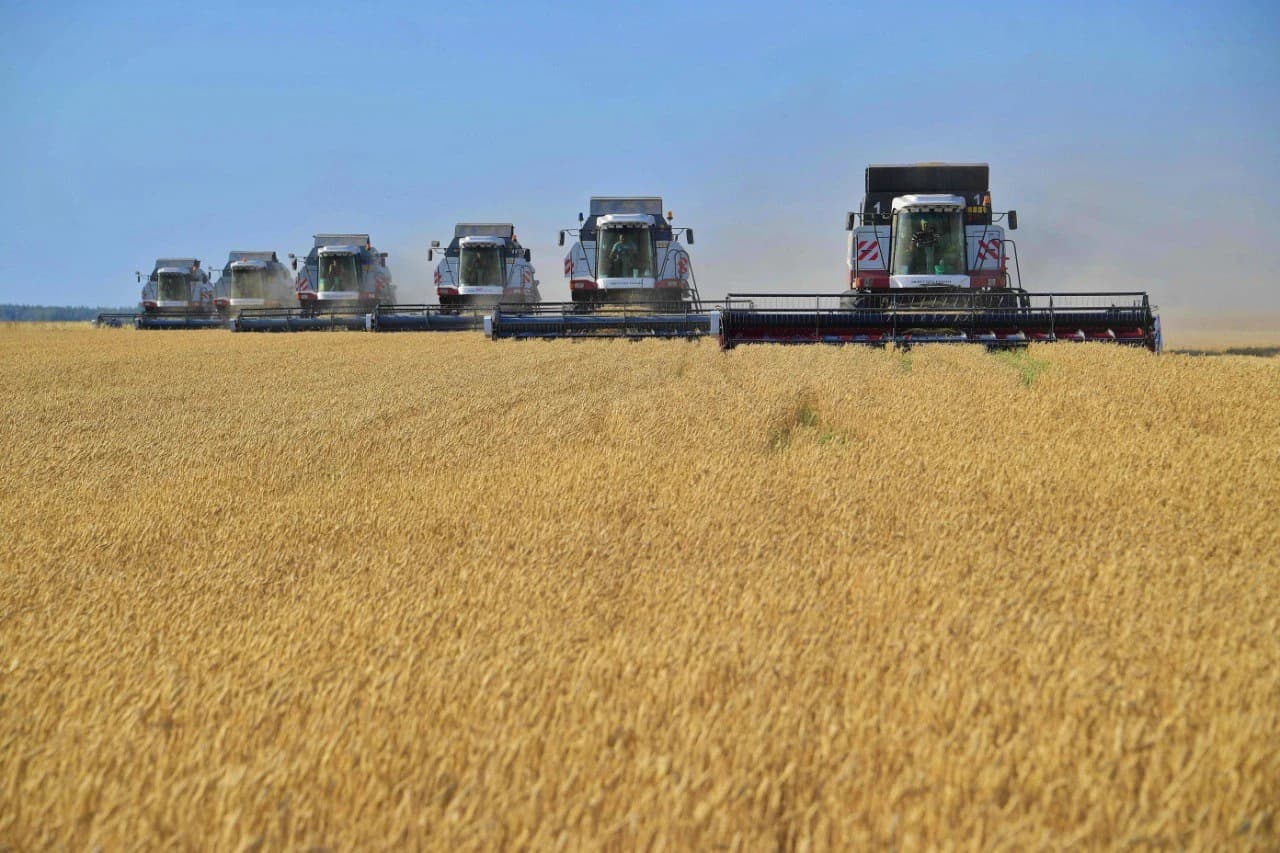
The revision is significant not just for agriculture but for inflation, shipping and food manufacturers. Russia has dominated world wheat exports in recent seasons, so even a modest downgrade can ripple through futures markets, millers’ procurement plans and government food-policy decisions. Chicago wheat futures have already firmed on fading expectations for larger Russian shipments, underscoring how sensitive global pricing remains to any change in Moscow’s export capacity.
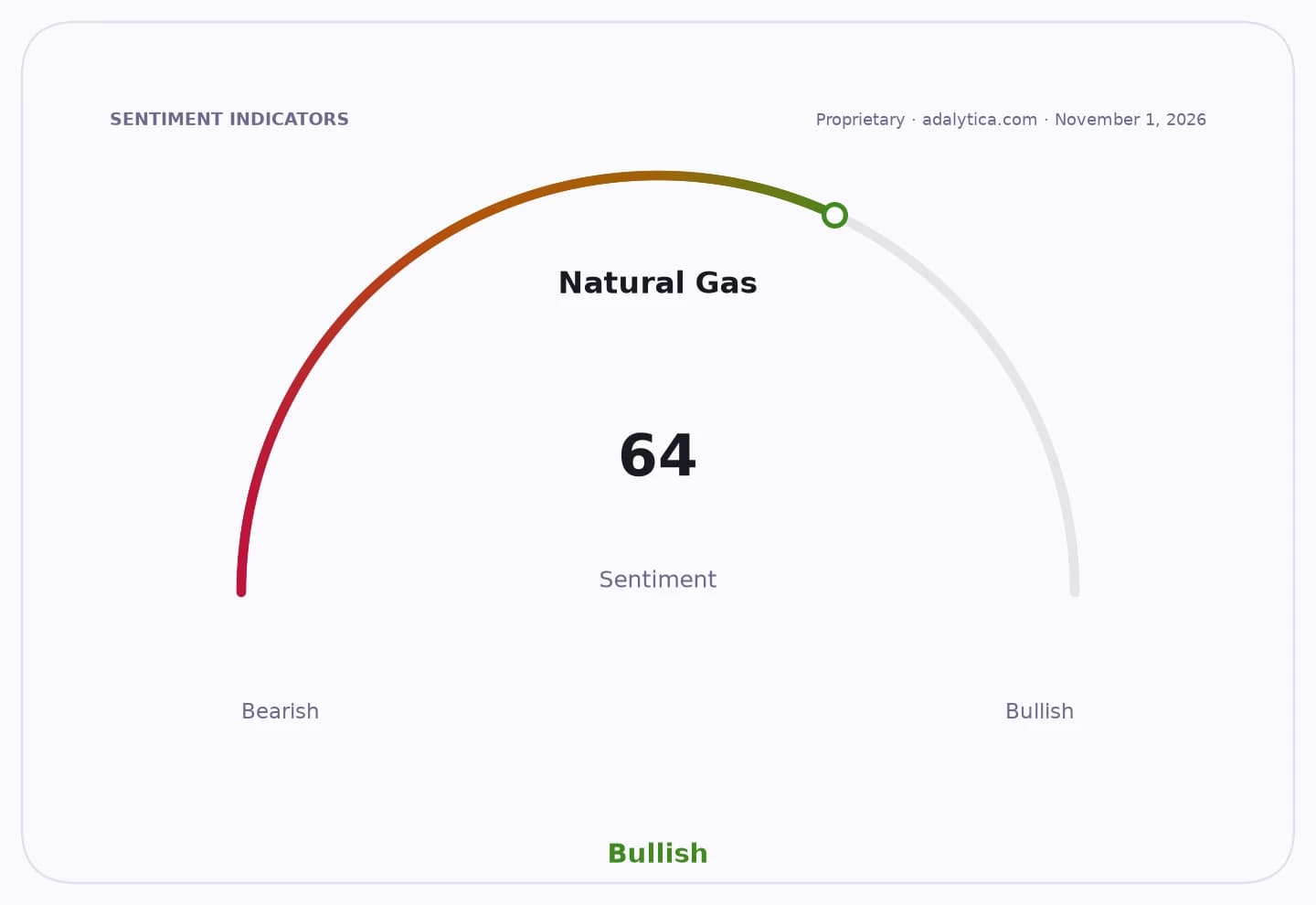
Sentiment Indicators

The market backdrop is complicated by a broader push and pull in agricultural trade. Russian wheat export prices have eased, but Moscow is also looking for ways to sustain flows, including the use of a historic World War II-era route to keep shipments moving. At the same time, Kazakhstan has boosted wheat exports by 15%, offering some offset, while EU wheat prices have softened amid peace-talk optimism. That mix leaves importers searching for alternate supply, but it does not fully replace Russia’s scale.
For investors, the key issue is margin and volatility. Grain merchants and processors such as Bunge and Archer-Daniels-Midland benefit when trade flows are disrupted and spreads widen, but they also face execution risk if counterparty behavior, freight costs or policy shifts turn more erratic. Wheat-focused vehicles like Teucrium’s WEAT have been under pressure lately, yet the lower Russian forecast is the kind of supply shock that can revive speculative interest and keep volatility elevated. Macro traders will also watch the dollar, which has been caught in a sharp swing; a weaker dollar typically helps dollar-priced commodities by making them cheaper for non-U.S. buyers.
The narrative is straightforward: Russia’s export engine is still running, but not as strongly as the market had hoped, and that keeps global wheat pricing hostage to weather, policy and geopolitics. If the downgrade proves durable, it would support wheat prices, aid grain exporters and worsen food-import bills for deficit countries. If Russia or alternative suppliers lift shipments more than expected, the rally could fade quickly.
| Entity | Gains | Losses |
|---|---|---|
| Wheat bulls | ▲tighter supply support | ▼lower downside in prices |
| Black Sea rivals | ▲more room to gain share | ▼less pressure from Russia |
| Importing countries | ▲more incentive to diversify | ▼higher procurement costs |
| Grain merchants | ▲wider trading opportunities | ▼higher volatility and execution risk |