Russian Post is putting one of central Moscow’s most valuable heritage real estate holdings on the block, a move that underscores how even state-linked landlords are increasingly willing to monetise prime urban assets as the commercial property market searches for a floor.
Russian Post to Sell Moscow Imperial Post Office
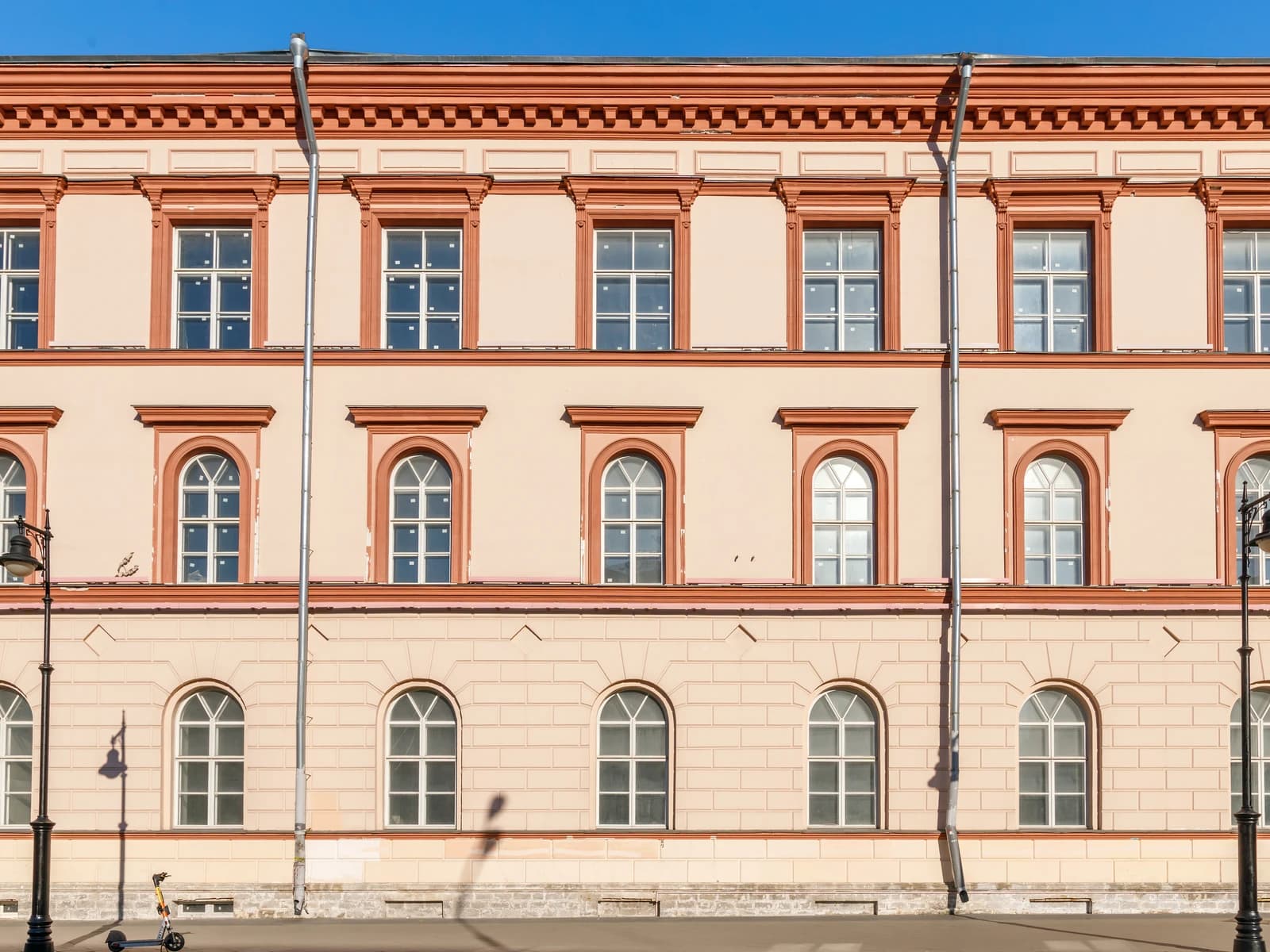
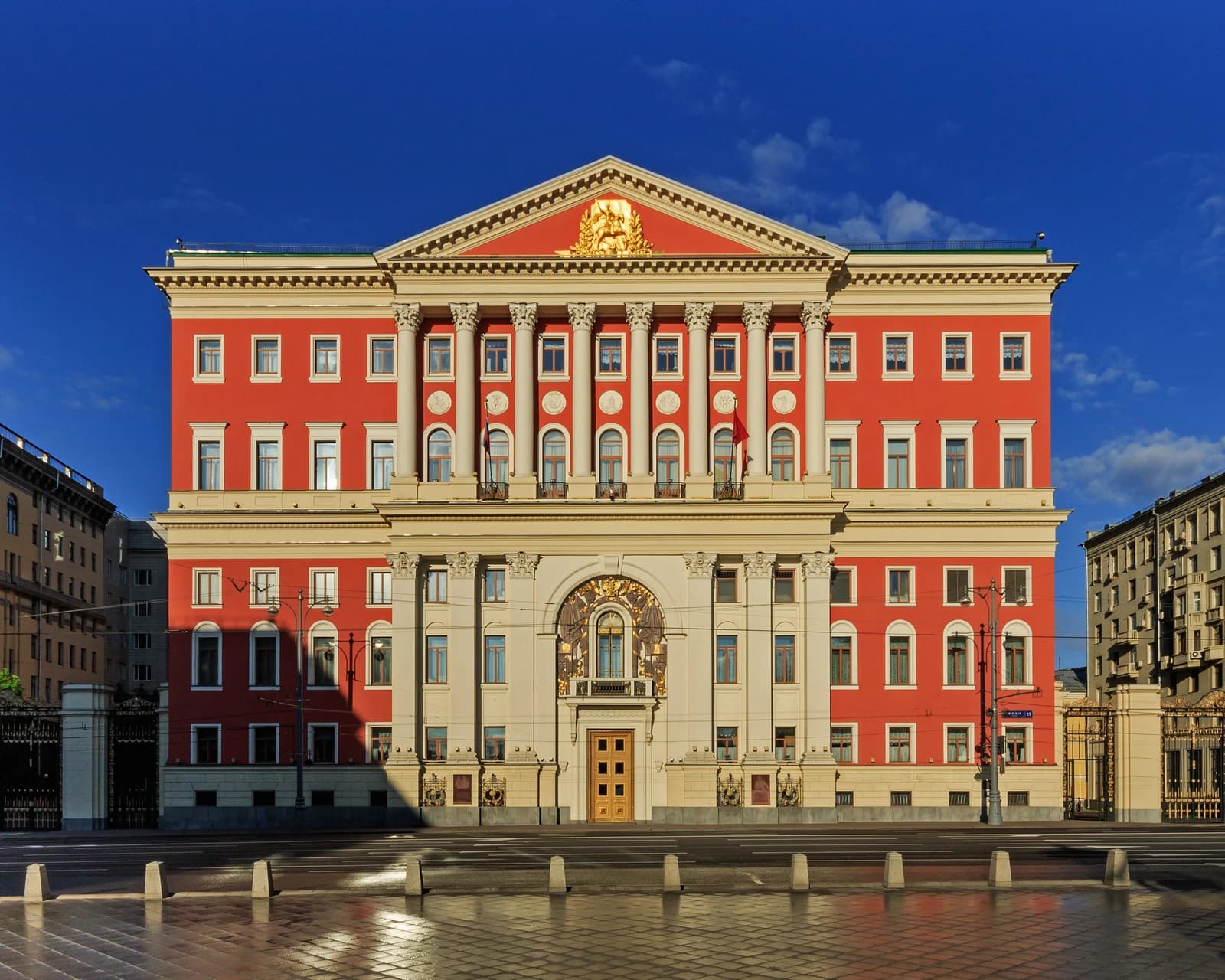
The company plans to sell the Moscow Imperial Post Office complex in a single lot through the Russian Auction House in early December, according to the auction organiser. The package includes 19 buildings and 46 non-residential premises spanning 21,400 square metres on a 2.2-hectare site between Myasnitskaya Street and Chistoprudny Boulevard, one of the capital’s most sought-after central districts.
Sentiment Indicators
For investors, the sale matters for two reasons. First, it is a rare chance to acquire a large-scale, irreplaceable trophy asset in central Moscow, where supply is structurally constrained and location risk is far lower than in peripheral office or retail stock. Second, the fact that a state-owned operator is choosing to dispose of such a landmark asset suggests public and quasi-public owners are under pressure to optimise balance sheets and unlock capital rather than simply hold legacy property.
That is important in a market where sentiment around commercial real estate remains fragile. Adalytica’s Commercial REIT Sentiment gauge is in “Fear” territory, with awareness at “Extreme Fear,” while the VNQ real-estate ETF has only recently clawed back toward its 50-day moving average after a sharp pullback. That backdrop points to a market still demanding selectivity: investors are rewarding assets with pricing power and punishing anything exposed to weak leasing, financing costs or opaque liquidity.
The Moscow Post Office sale also highlights a deeper theme in Russian real estate: scarcity still commands value, but regulation and preservation obligations narrow the buyer pool. Two of the buildings carry protection requirements, including the main post office and a separately listed 1898 building, meaning any bidder will need capital, patience and expertise to handle conservation work alongside redevelopment or repositioning.
That combination typically benefits long-term, well-capitalised buyers and disadvantages quick-flip speculators. In a stressed or risk-averse market, it can also create an attractive entry point for family offices, local developers and institutional capital looking for hard assets with a defensible central location and optionality over time.
The broader takeaway is that this is not just a property disposal. It is a sign that legacy owners in Moscow are testing liquidity in a market where prime assets may still clear, but only for investors willing to look through near-term uncertainty and pay for strategic scarcity.
| Entity | Gains | Losses |
|---|---|---|
| Russian Post | ▲Cash proceeds | ▼Long-term ownership |
| Trophy-asset buyers | ▲Scarce central Moscow asset | ▼Preservation and redevelopment costs |
| Commercial property market | ▲Price discovery | ▼Sentiment remains weak |
| Existing Moscow office owners | ▲Benchmark for prime values | ▼Potentially more supply |