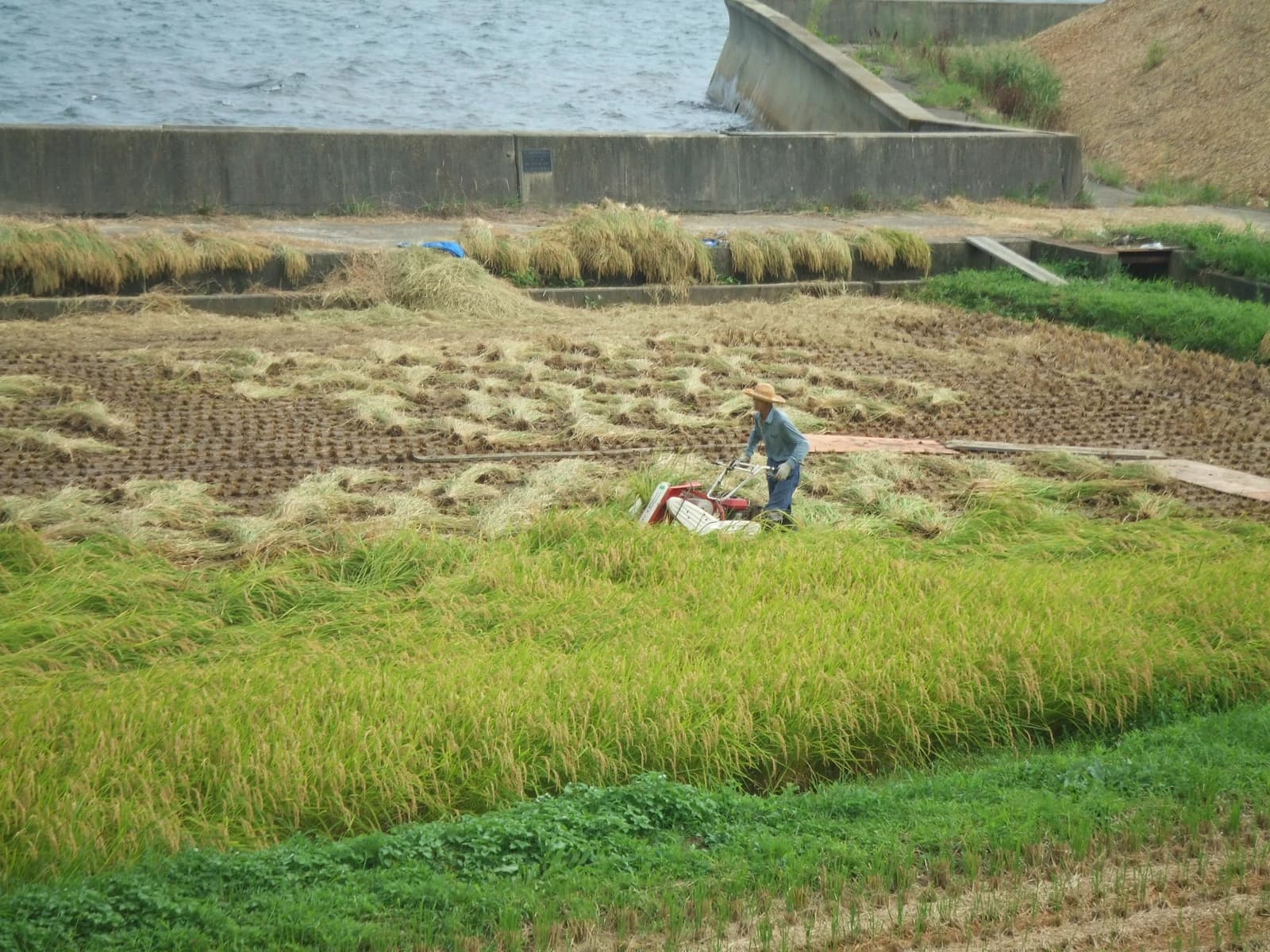
Rylee Reynolds of Twin Falls, Idaho, has повторed as the National Wheat Yield Contest’s top irrigated winter wheat grower with 214.16 bushels per acre, underscoring how the most advanced producers are still pushing yields higher even as drought and fewer planted acres squeeze the U.S. wheat sector.
Rylee Reynolds wins top irrigated wheat yield again
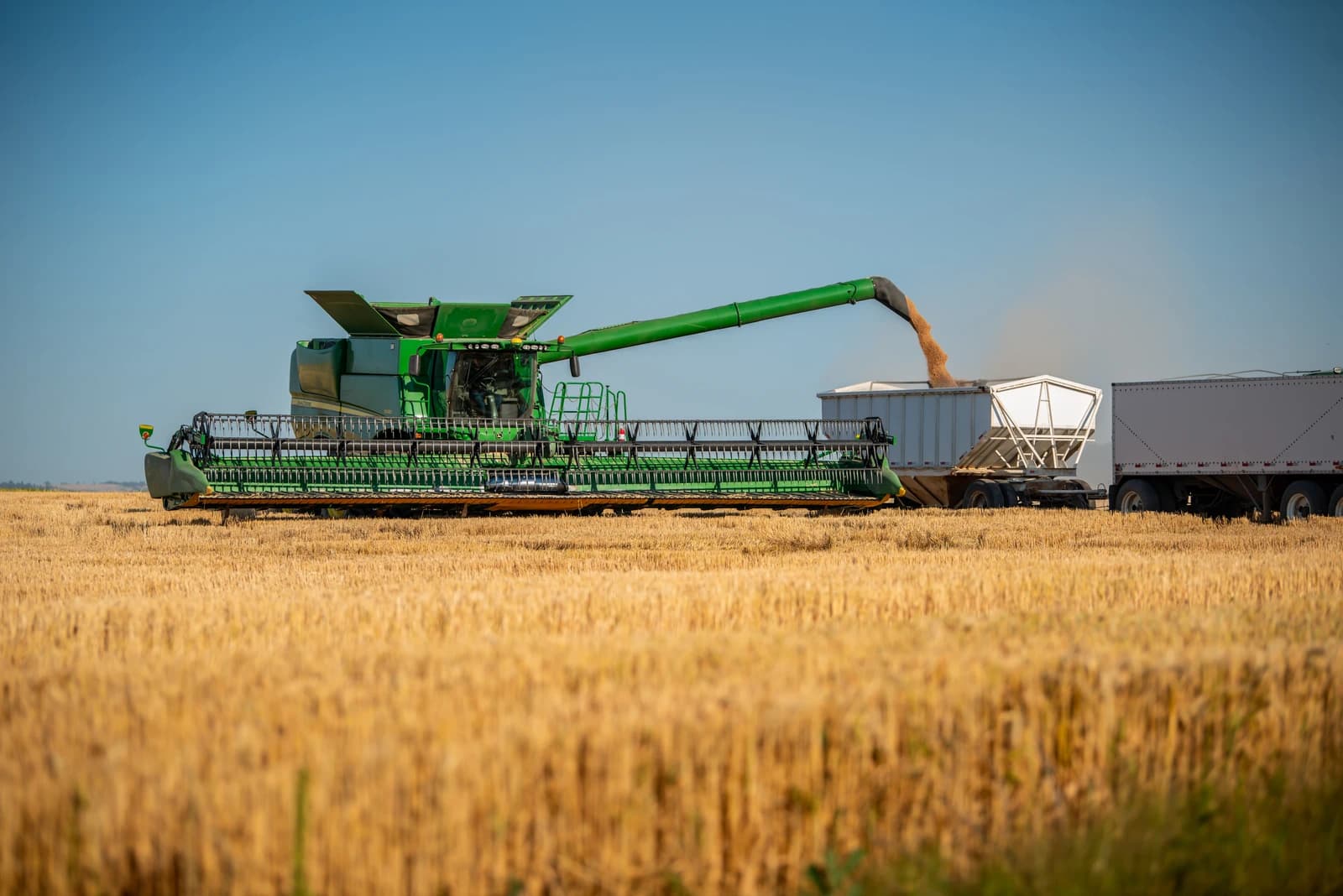
The annual contest, run by the National Wheat Foundation, is less a beauty pageant than a snapshot of where wheat productivity is headed. Reynolds won the “Bin Buster” title for a second straight year and third time in five seasons, while the 2026 field of national winners was smaller than a year ago as drought and reduced acreage cut entries.
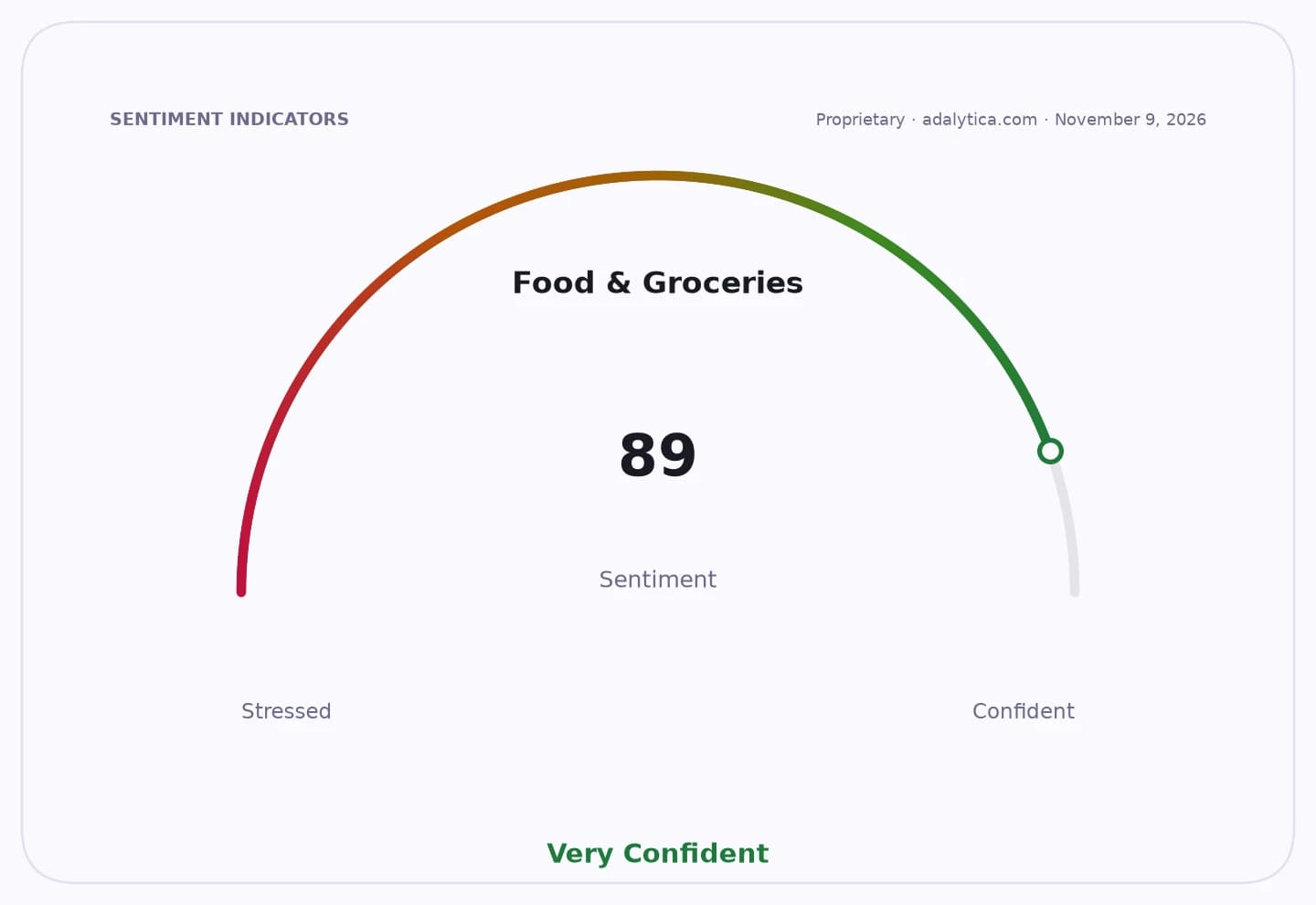
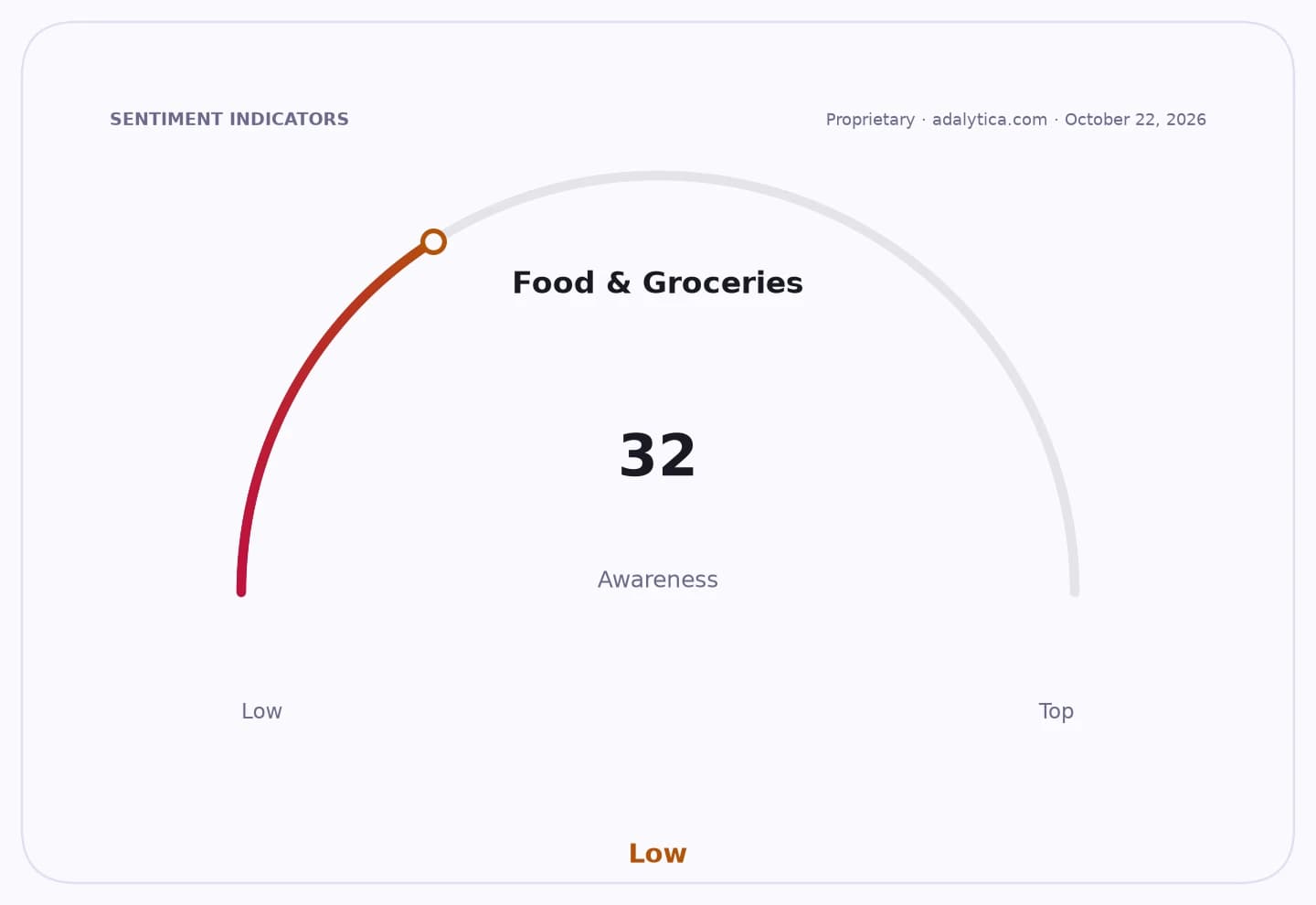
Sentiment Indicators
That matters for the market because wheat supplies remain sensitive to weather, planting decisions and crop quality at a time when growers are already dealing with tight margins and volatile prices. The foundation said the 24 national winners in the traditional categories averaged 146.40 bpa, slightly below 147.01 bpa in 2025, but the dryland winter wheat group set a record average of 176.10 bpa, suggesting top-end productivity is still improving in the right conditions.
For investors, the contest is a useful read-through on seed technology, agronomy and equipment adoption across the Plains and Pacific Northwest. Winning entries came from 10 states, with Idaho, Washington and Oregon dominating the high-yield rankings, and many first-time national winners were newcomers to the competition, a sign that yield gains are spreading beyond veteran operators.
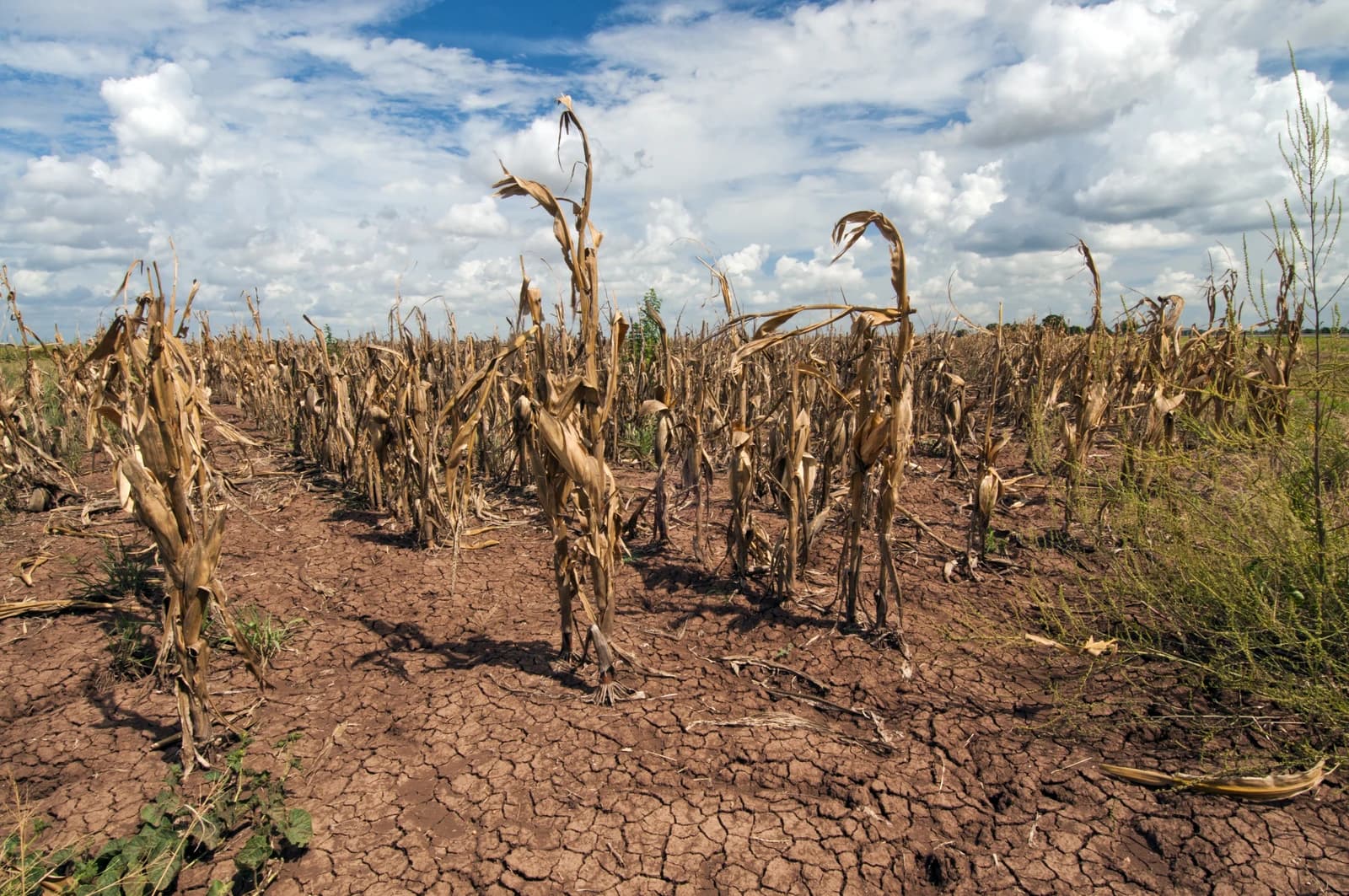
The results also show how climate is dividing the crop. NWF said entries fell because of drought conditions in many wheat-growing regions, while the contest’s county-average awards highlighted growers in lower-yielding areas who still delivered outsized gains versus local norms.
Reynolds was not alone in repeating at the top. Dallin Wilcox of Rexburg, Idaho, won the irrigated spring wheat category with 175.35 bpa, and Helle and Bruce Ruddenklau of Amity, Oregon, took another dryland spring wheat title with 144.34 bpa. Jake Druffel of Colton, Washington, won the dryland winter wheat class with 196.12 bpa.
The contest is expanding in 2027, with more class-specific categories and twice as many “Bin Buster” awards in winter wheat, a move that should give growers more recognition and may encourage broader use of precision farming tools. The bigger test for the industry will be whether those yield gains can be repeated in commercial fields if drought, seed shortages and weak pricing continue to pressure planting decisions.
| Entity | Gains | Losses |
|---|---|---|
| Rylee Reynolds / high-yield growers | ▲Recognition, agronomy credibility | ▼None directly |
| Seed and ag-tech suppliers | ▲Proof of performance, more adoption | ▼Competitors not featured |
| Wheat growers in drought-hit areas | ▲Benchmarking, best-practice learning | ▼Lower acreage, tighter yields |
| Wheat buyers / mills | ▲Supply from top-end yields | ▼Producers facing weaker margins |