South Korea’s Samsung Electronics and SK Hynix have moved to cement their role in the AI buildout with agreements worth as much as $950 billion to supply semiconductors and related components to American technology companies, a deal that underscores how aggressively the industry is locking down capacity for the next phase of artificial intelligence spending.
Samsung, SK Hynix Lock In AI Supply
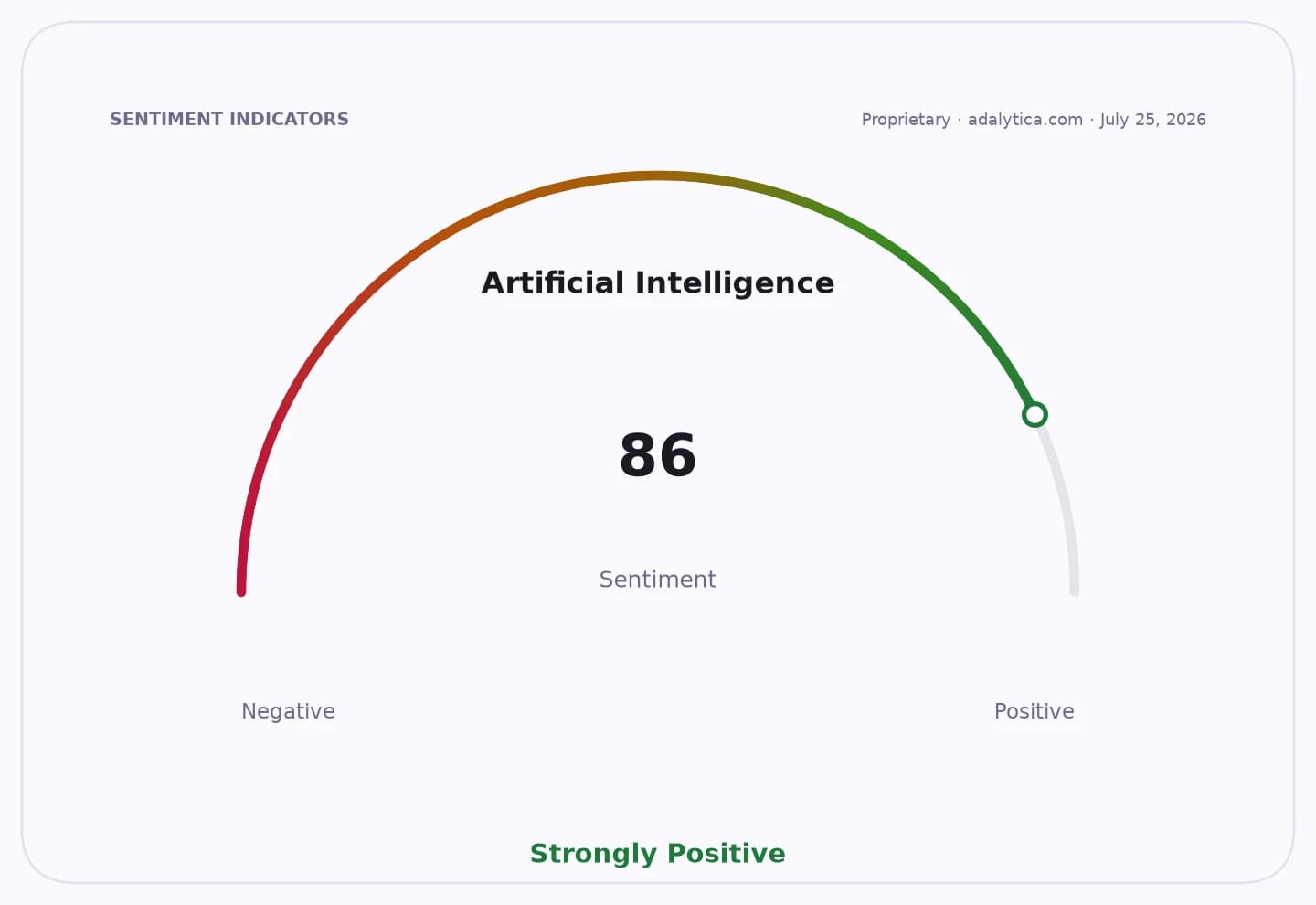
The scale of the commitments matters because chip supply has become one of the tightest constraints on AI infrastructure, and long-dated procurement deals are increasingly functioning like strategic alliances rather than simple vendor contracts. For U.S. buyers such as Nvidia, Broadcom and Anthropic, the agreements help secure memory and advanced component supply in an environment where demand continues to outrun fabrication capacity. For the Korean makers, the contracts deepen their foothold in the most lucrative end of the semiconductor market and reduce reliance on a spot market that can swing sharply with the AI cycle.
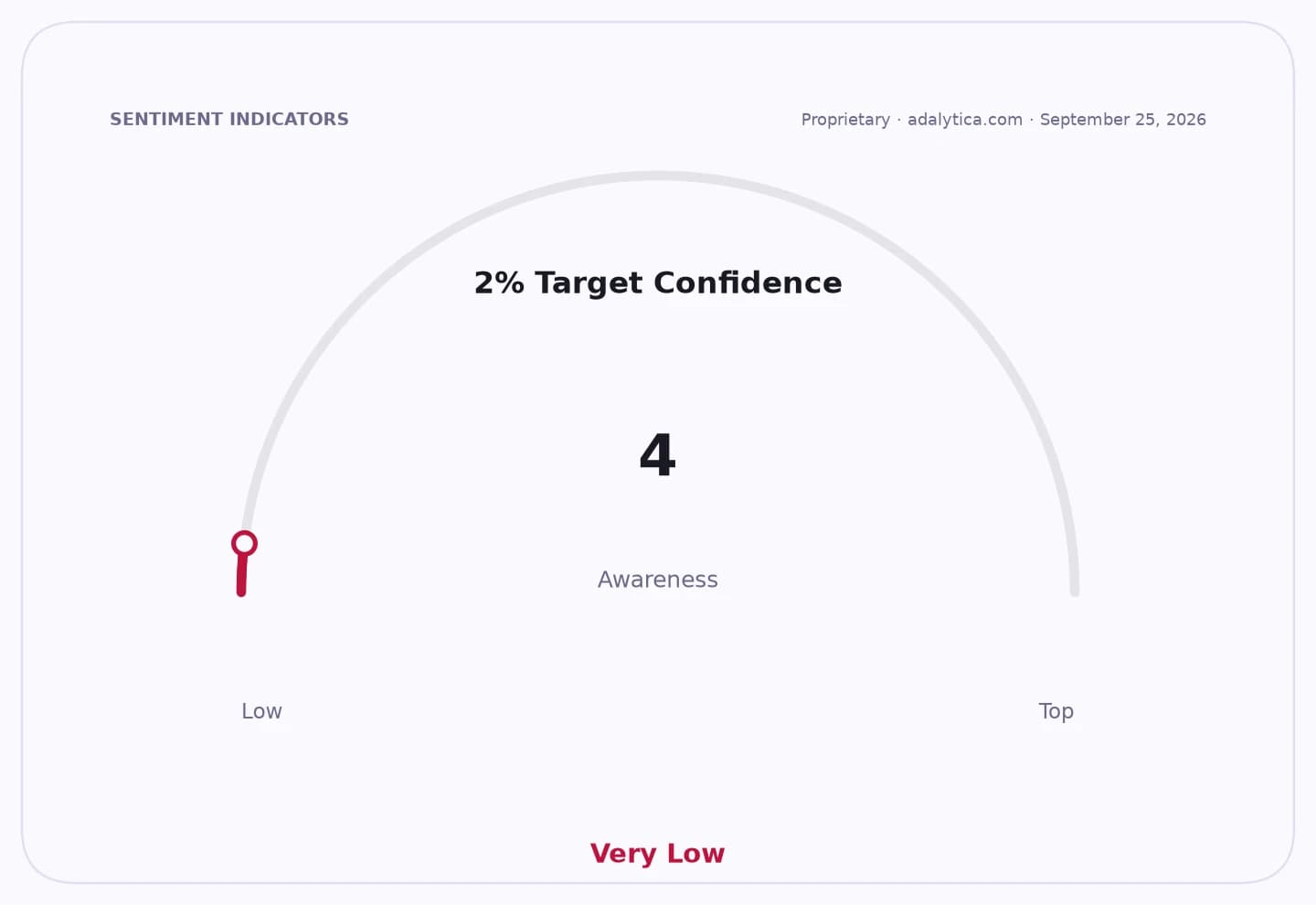
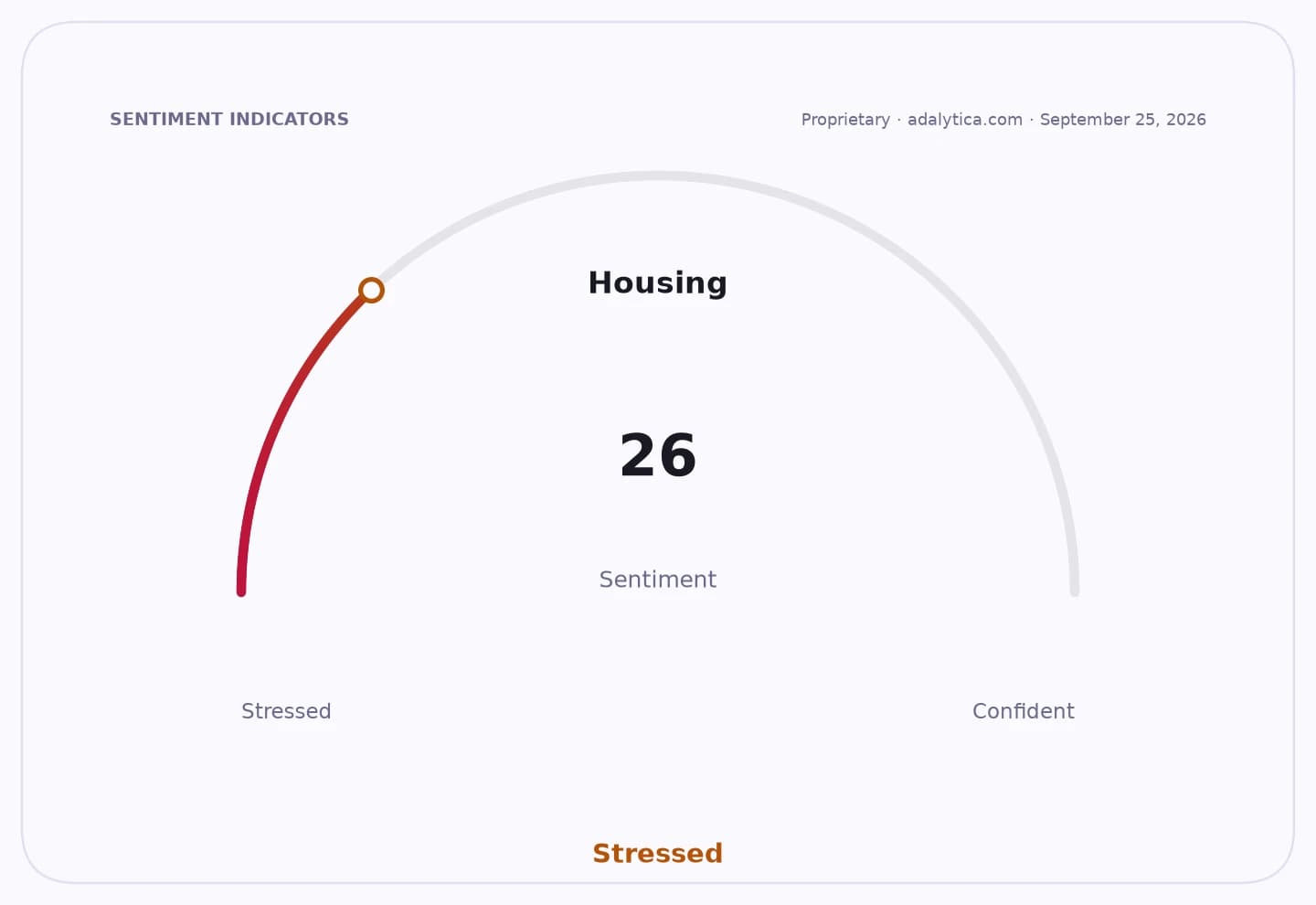
Sentiment IndicatorsⓘProprietary · adalytica.com · July 25, 2026
This is a snapshot — live sentiment, awareness and momentum for 130+ markets update continuously in the dashboard.Open AlphaPulse
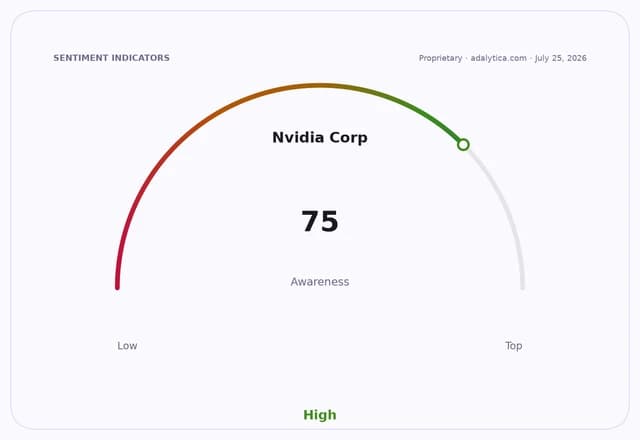
The deal also speaks to a broader reordering of semiconductor trade flows. South Korea is emerging as a critical industrial partner for U.S. tech groups trying to localize and de-risk supply chains without sacrificing scale. That is particularly important as the U.S. remains heavily dependent on imported chips and electronics inputs even as policy makers push for more domestic manufacturing. Industrial production in the U.S. has held near a 102.6 reading in June, while Treasury yields have stayed elevated around 4.7%, a combination that makes capital-intensive AI expansion more expensive and increases the value of supply certainty. For customers, locking in chips now can provide some insulation against both inflationary input costs and future bottlenecks.
Investors have already been paying up for that scarcity. Nvidia’s shares have been volatile but remain above their 200-day moving average, while Broadcom has traded near the upper end of its recent range even after a pullback, reflecting continuing confidence that custom silicon demand and AI network spending will remain resilient. Micron has been the clearest beneficiary: the memory maker’s stock has surged on signs of tight supply and strong pricing power, with technical readings still elevated despite a recent correction. The new Korean supply agreements reinforce that memory and advanced components remain central to the AI trade, not a side benefit of it.
For Nvidia, the deal may be as much about risk management as growth. The company’s stock has recently cooled from an overbought stretch, with RSI readings easing from extreme levels, but Adalytica’s earnings sentiment gauge still shows strong attention around the name even as broader S&P 500 trade signals point to fear. That mix suggests investors are still treating AI leadership as a core theme, while remaining sensitive to execution, pricing and supply-chain concentration risk.
The bullish case is straightforward: multi-year commitments from Samsung and SK Hynix should support capacity expansion, keep AI hardware buildouts on schedule and extend the earnings visibility of the entire semiconductor stack. The bear case is that the size of the commitments reflects peak-cycle behavior, with customers overbooking supply just as competition, capex and pricing pressure intensify. If AI spending slows or if memory supply catches up faster than expected, those long-term promises could become less valuable than they look today.
For now, the transaction points to a single conclusion: the AI race is no longer just about model quality or chip design. It is about who can secure industrial-scale supply, and South Korea’s biggest chipmakers have just positioned themselves closer to the center of that contest.
| Entity | Gains | Losses |
|---|---|---|
| Samsung Electronics | ▲Long-term U.S. chip demand | ▼Spot-market pricing power |
| SK Hynix | ▲Revenue visibility | ▼Dependence on AI cycle |
| Nvidia/Broadcom/Anthropic | ▲Supply security | ▼Flexible sourcing leverage |
| U.S. rivals without locked capacity | ▲Policy-aligned supply access | ▼Relative disadvantage |