Samsung’s move to put Solana-based USDC inside Samsung Wallet is a meaningful step toward making stablecoin payments a mainstream consumer service, giving up to 82 million compatible Galaxy devices in the US access to dollar-linked transfers without a separate crypto app or private-key management.
Samsung Wallet adds Solana-based USDC payments
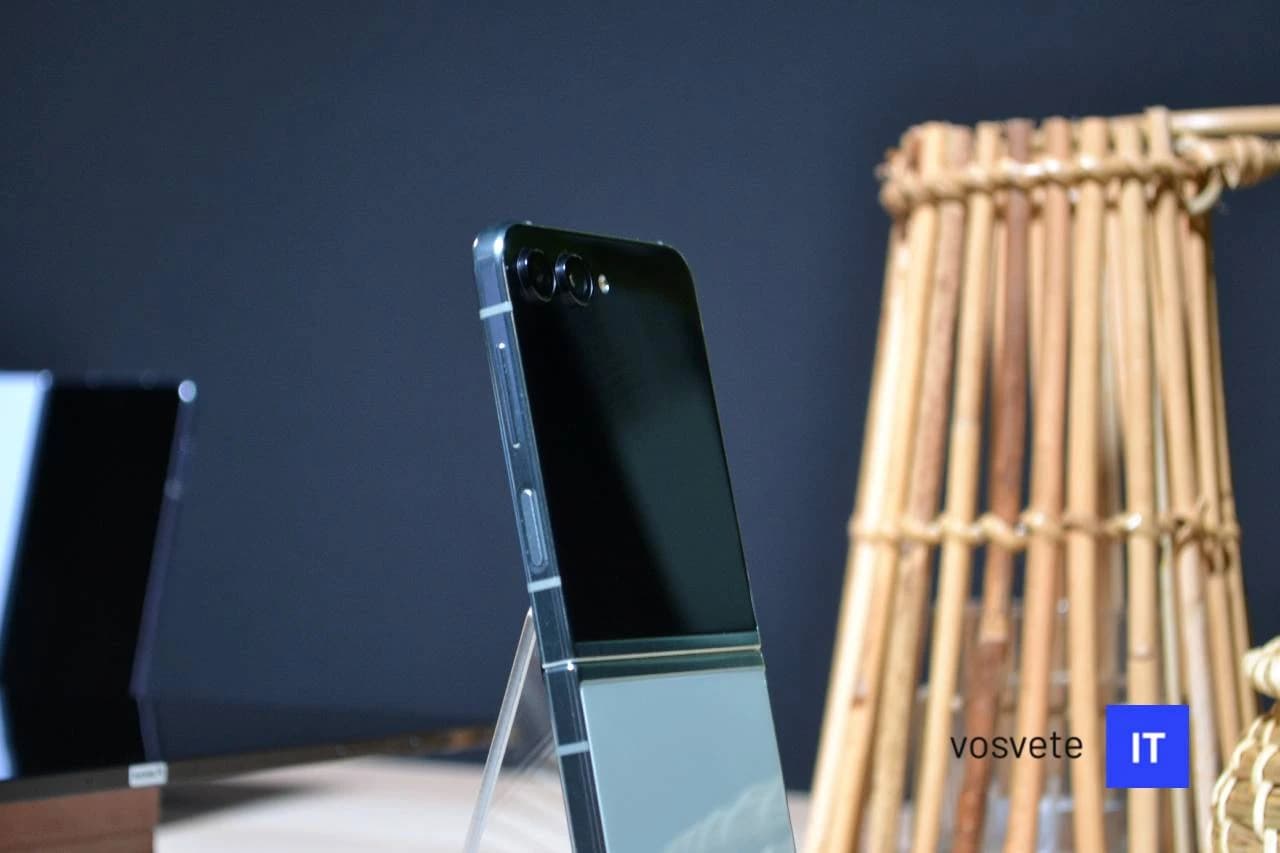
The launch matters because it lowers the friction that has kept stablecoins largely inside exchange accounts and crypto-native apps. By embedding buy, hold, send and receive functions into a wallet millions of consumers already use for cards, IDs and boarding passes, Samsung is turning USDC into a payments feature rather than a specialist digital asset. That broadens the potential user base for on-chain dollar transfers well beyond traditional crypto investors and could accelerate adoption of blockchain rails in everyday finance.
Sentiment Indicators
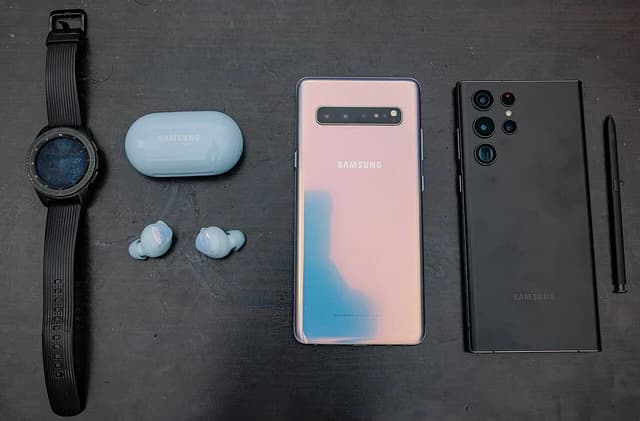
Samsung’s Stablecoin Account feature went live on Nov. 5 and is available only to eligible US residents aged 18 and older on compatible Galaxy devices running Android 13 or later, with New York excluded from the initial rollout. Users can transfer USDC to other Samsung Wallet users or compatible external wallets, and can also send money to eligible bank accounts in more than 60 countries, with recipients receiving local currency. Samsung said transfers to compatible external wallets carry no fee from the company, though top-ups by credit card are charged at 4%, while withdrawal charges vary by payment method.
The partnership structure also shows how regulated crypto infrastructure is being repackaged for consumer distribution. Bastion is handling the wallet and payment layer, while Coinbase Prime Vault provides custody as sub-custodian for USDC holdings. That setup helps Samsung avoid building a full crypto stack in-house and gives Coinbase another route to institutional-grade custody flows, while Solana gains distribution through one of the world’s largest smartphone ecosystems.
For investors, the significance is twofold. First, it reinforces the case that stablecoins are becoming a payments and settlement product, not just a trading instrument, which supports the long-term utility of networks that can move USDC efficiently. Second, it increases the competitive pressure on payments firms, banks and wallet providers that may now have to defend against consumer-facing crypto rails embedded directly in mobile devices. For Solana, the announcement is a demand catalyst in narrative terms even if it does not immediately translate into transaction volumes, especially as the token remains under heavy pressure; SOL was trading around $86.23, well below its 50-day moving average of $106.70, with RSI readings near 24 suggesting the market has been deeply oversold.
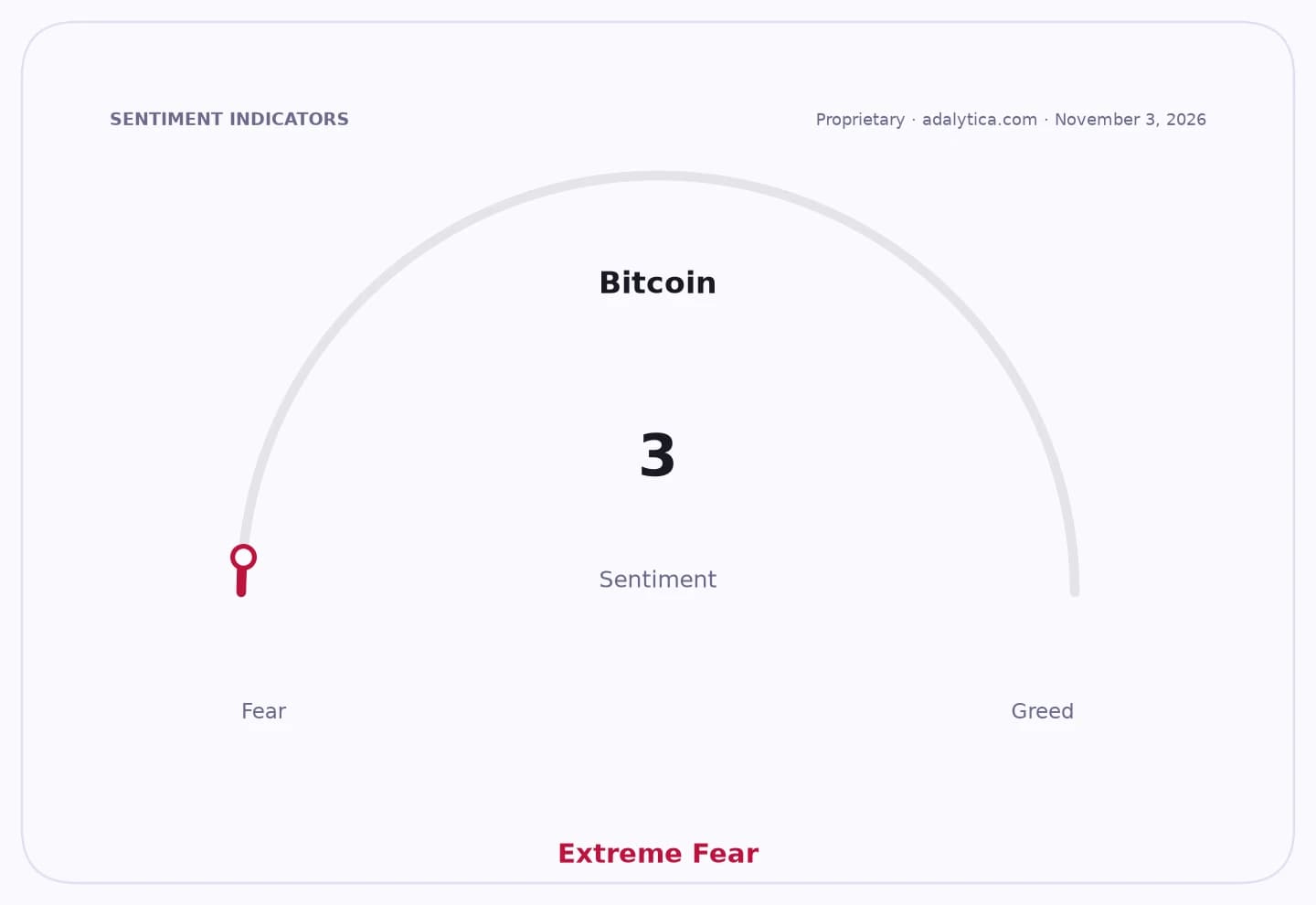
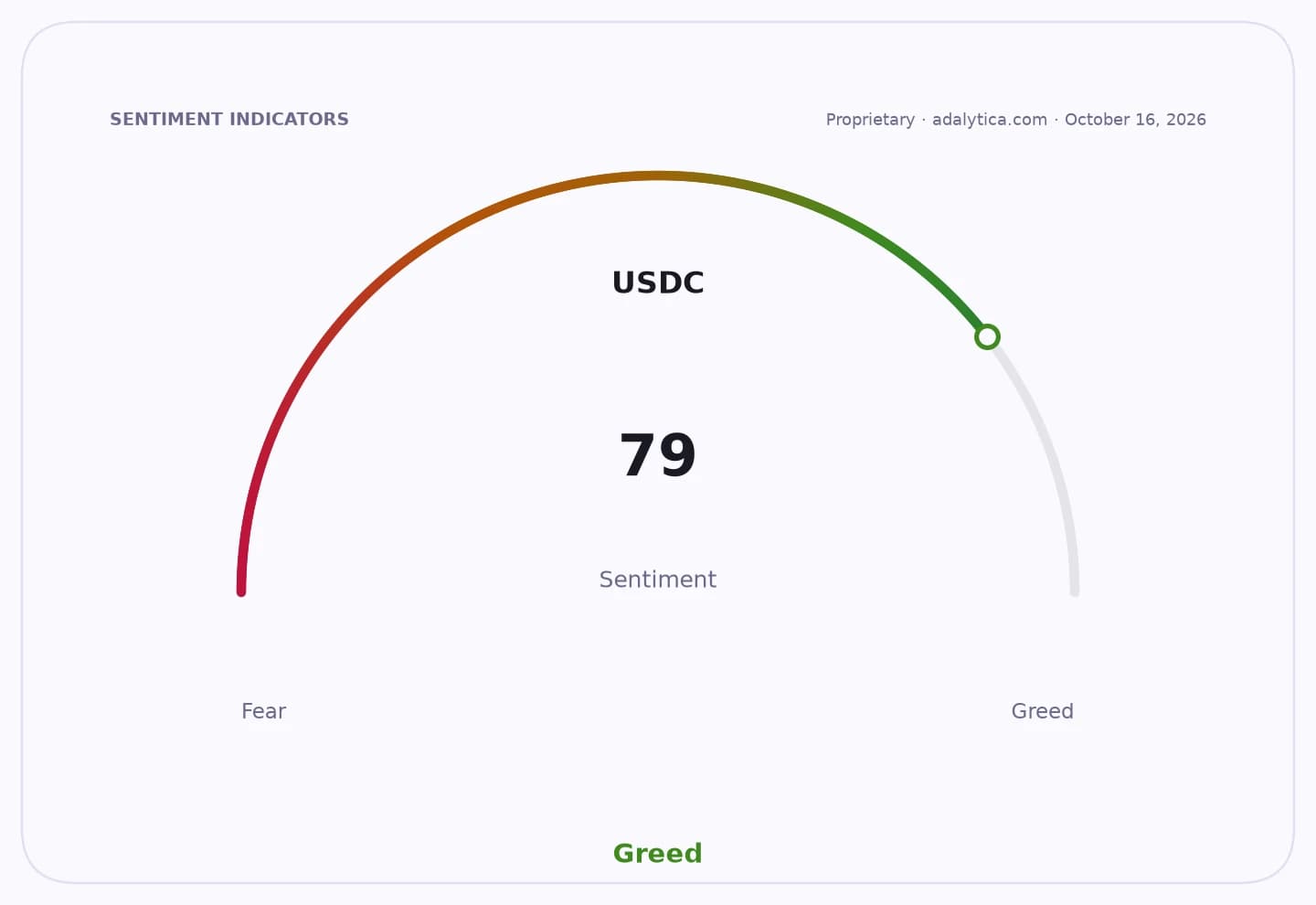
The broader backdrop is still mixed. Adalytica’s Bitcoin Fear & Greed Index sits at 26, in “Fear,” while Ethereum sentiment is at 32, in “Neutral,” underscoring that the market remains cautious even as stablecoin infrastructure advances. USDC itself remains pinned at $1, with no sign of dislocation, which is exactly what Samsung is trying to monetize: the utility of a dollar token that behaves like cash but moves on programmable rails.
The next test is whether Samsung extends the feature beyond peer-to-peer and bank transfers into merchant payments. If it does, the company could help push stablecoins from a crypto niche into a broader consumer payments layer — a shift that would matter for transaction volumes, network effects and the long-term economics of digital dollar infrastructure.
| Entity | Gains | Losses |
|---|---|---|
| Samsung | ▲Deeper wallet engagement | ▼Added regulatory complexity |
| Solana/USDC ecosystem | ▲Wider consumer distribution | ▼Dependence on adoption |
| Coinbase/Bastion | ▲Custody and infrastructure flow | ▼Margin pressure from fees |
| Banks/payments rivals | ▲— | ▼Consumer payment share |