A San Antonio electrical contractor is advertising four full-time openings, including a journeyman role paying as much as $35 an hour and an apprentice path that does not require prior experience.
San Antonio Electrician Jobs Highlight Labor Shortage
That matters because the U.S. is still short of skilled trades workers even as demand for electrical construction keeps rising. For investors, the tight labor market is not just a headline about wages; it is a reminder that the companies building power systems, data centers, commercial sites and industrial facilities still have to fight for talent, which can shape project schedules, margins and earnings.
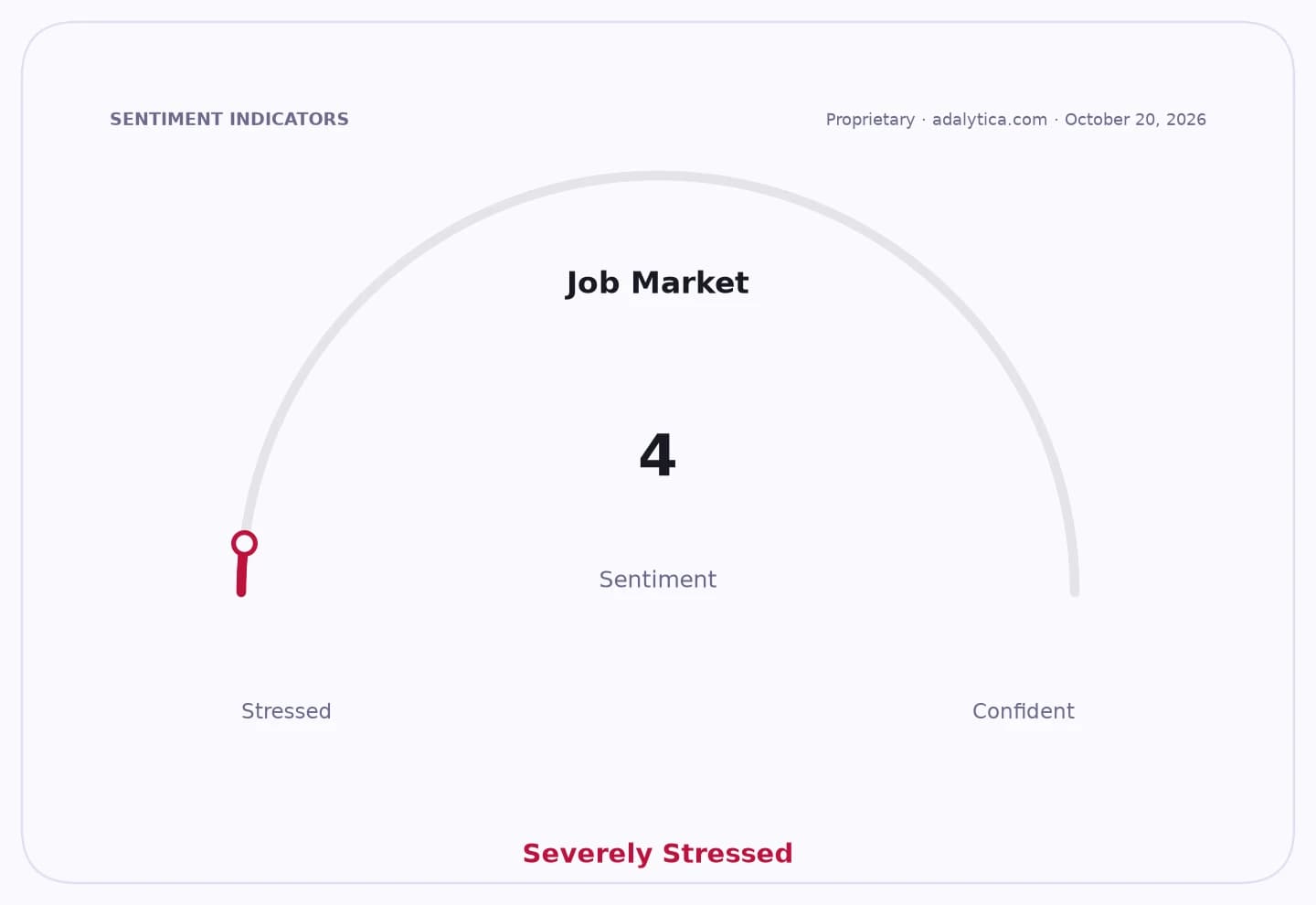
Sentiment Indicators
Wattsmith Electric’s hiring push shows how the shortage is working on the ground. The company says it has openings for a journeyman electrician at $35 an hour, a wireman at $20 to $26, an apprentice at $13, and a dispatcher and customer service role at $9 to $15. Just as important, it says apprentices can start without experience and receive paid training while working under experienced electricians, with help registering with Texas regulators.
That kind of pipeline is exactly what the broader construction and utilities ecosystem needs. Employers do not just want bodies; they want licensed workers who can step into projects quickly and safely. In a market where construction firms are trying to execute larger, more technical jobs, a shortage of qualified electricians can delay work and force companies to pay up to keep crews in place.
The macro backdrop helps explain why this remains a durable theme. U.S. nonfarm payrolls continue to expand, and the unemployment rate remains low by historical standards, underscoring that labor demand has not gone away. At the same time, job openings remain elevated, particularly in trades and other hands-on work where training takes time and automation is harder to substitute in the near term.
For long-term investors, that points to a simple but powerful idea: the electrification buildout is not a one-quarter story. Demand for electricians is tied to multi-year spending on transmission, distribution, commercial real estate, manufacturing reshoring, and energy infrastructure. Those trends should support contractors with strong recruiting pipelines, while also favoring suppliers and service companies that can monetize persistent project demand.
There are risks, of course. Labor scarcity can squeeze margins if wages rise faster than billing rates, and smaller contractors may struggle more than larger peers with training, certification and retention. But that same pressure can become a competitive advantage for firms that can recruit, train and promote workers internally. In skilled trades, the best operators often win not by paying the absolute lowest wage, but by building a dependable workforce that keeps projects moving.
For investors looking beyond the next earnings report, the message is encouraging: the electric grid, industrial buildout and related construction work still need people, and companies that can supply those people remain in a strong position. The opportunity is worth watching, especially for those who think in years, not weeks.
| Entity | Gains | Losses |
|---|---|---|
| Wattsmith Electric | ▲Fills open roles | ▼Pays higher wages |
| Job seekers | ▲No-experience entry | ▼Face physical work |
| Electrical contractors | ▲More trained labor | ▼Higher recruiting costs |
| Project owners | ▲Better staffing | ▼Tighter contractor margins |