Germany’s apprenticeship system is under growing strain as a weaker economy leaves more young people without a training place even while thousands of spots go unfilled. That gap matters because apprenticeships are the country’s main pipeline for skilled labor, and a mismatch today can become tomorrow’s productivity problem for manufacturers, builders and service firms already struggling to find workers.
Germany apprenticeship crunch widens in Saxony
Job Market
In Saxony alone, 1,643 applicants were still unplaced at the end of September, up 373 from a year earlier, while 1,539 apprenticeship positions remained vacant, according to the regional employment agency. For the first time since 2009, there are more unserved applicants than unfilled training posts, regional director Klaus-Peter Hansen said. The numbers point to more than a simple labor-market hiccup: they show how industrial weakness is now hitting the earliest stage of workforce development.
Sentiment Indicators
That is bad news for companies that need a steady flow of electricians, mechanics, technicians and other skilled trades. If firms pull back on training when orders soften, they may save money in the short term but make a labor shortage worse later, just as demographic pressures tighten the pool of young workers. For investors, that means the problem is not only cyclical. It is structural, and it affects the earnings power of businesses that rely on skilled labor as much as the broader competitiveness of Germany’s industrial base.
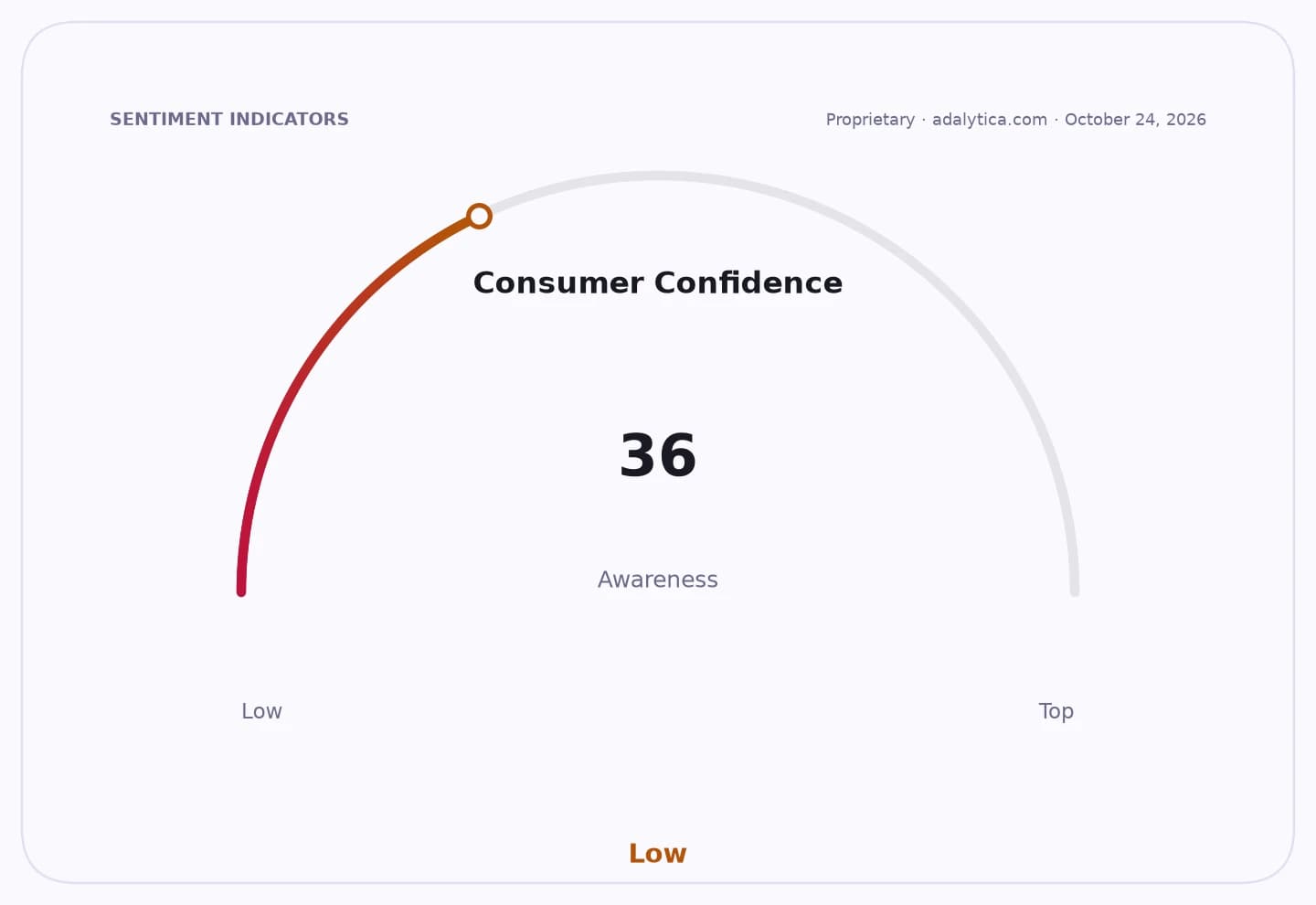
The strain is visible in business sentiment. Max Jankowsky, president of the Chemnitz chamber of commerce and industry, said only one in 10 companies is looking very optimistically at the future. Weaker demand and uncertain prospects are making employers more hesitant to invest in training and recruitment. That feedback loop is exactly what investors should watch: a soft economy can reduce hiring appetite just when companies most need to replenish their workforce.
There are still bright spots. The Heinrich Schmid Group in Chemnitz is leaning on school partnerships, job fairs and social media to recruit apprentices, and it currently has 46 trainees in the region, 11 of them new this year. That shows the apprenticeship model can still work when companies treat recruiting as a long-term investment rather than a cost center. But isolated success stories do not change the bigger picture: the regional labor market is beginning to separate into businesses that can still build talent pipelines and those that are letting them fray.
For long-term investors, the message is straightforward. Companies with strong training programs, pricing power and the ability to attract young workers should be better positioned than those dependent on a shrinking local labor pool. Germany’s apprenticeship crunch is worth watching because it is not just about today’s vacancies — it is about who will have the skilled workforce to grow over the next decade.
| Entity | Gains | Losses |
|---|---|---|
| Apprenticeship recruiters with strong brands | ▲Steadier talent pipeline | ▼Less competition for applicants |
| Young jobseekers | ▲More bargaining power in some regions | ▼Fewer openings overall |
| Industrial employers with weak demand | ▲Short-term cost savings | ▼Weaker future skilled workforce |
| Germany’s labor market | ▲Pressure to modernize training and recruiting | ▼Productivity and competitiveness risk |