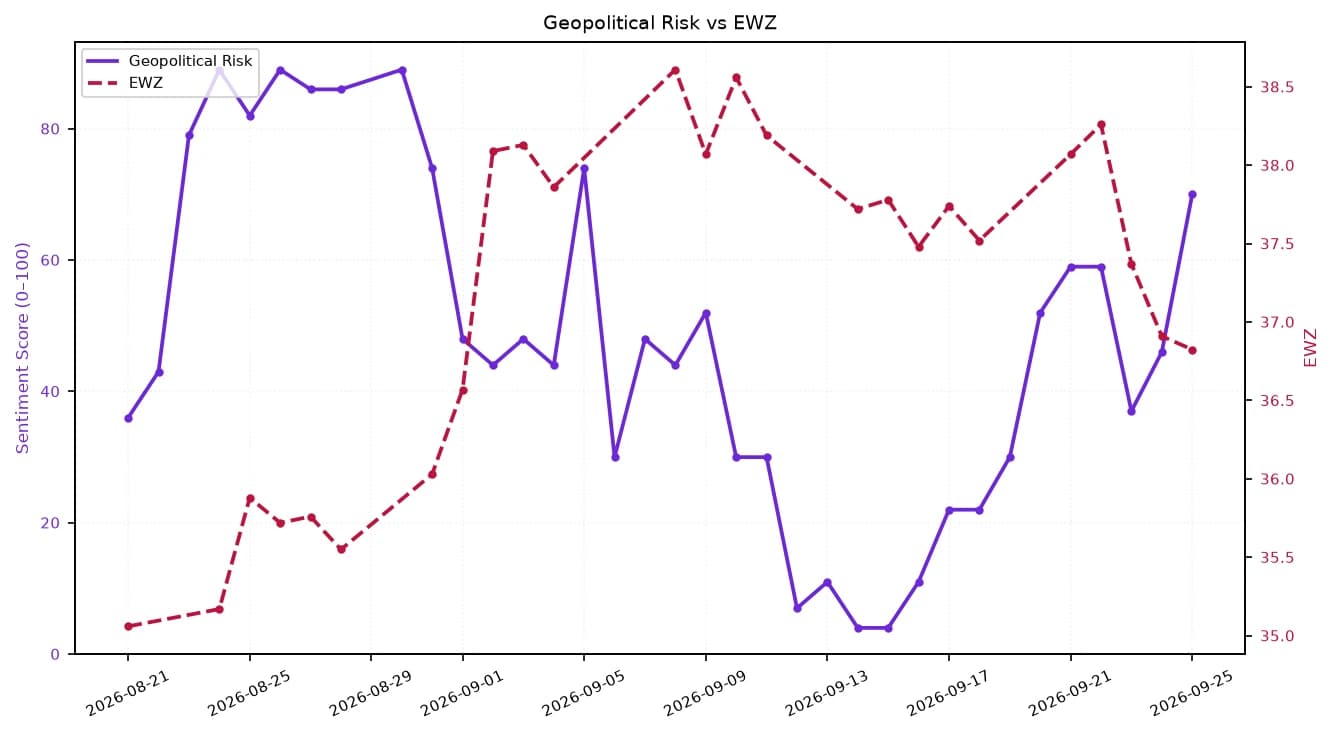
Banco Santander’s biggest emerging-market bet is becoming a bigger drag on the stock as investors look past the bank’s 49% rally over the past year and focus on whether Brazil’s October election changes the path for rates, growth and credit losses.
Santander Brazil Exposure Faces Election Risk
Brazil still accounts for about 16% of Santander’s net profit, but Citi says the country is the only major market where higher rates hurt earnings rather than help them, because deteriorating credit quality and heavier provisions more than offset any margin benefit. That leaves the bank unusually exposed to a prolonged period of Brazilian rates above 13%, which analysts say could keep pressure on returns even if the economy avoids a sharp slowdown.
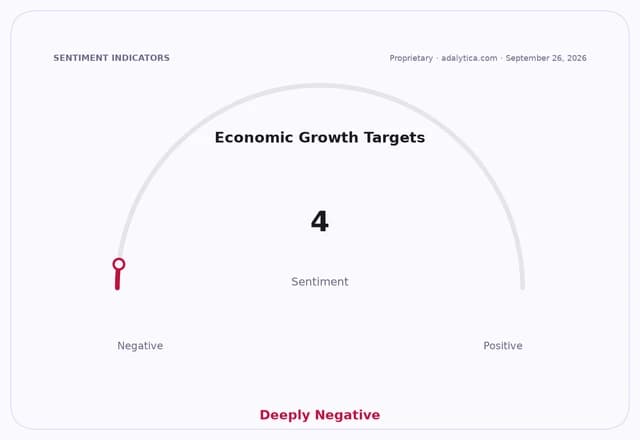
The election now matters because the market does not have a clear read on which candidate would be more friendly to investors. President Luiz Inácio Lula da Silva and Senator Flavio Bolsonaro are running in a tight race, and the result could shape how aggressively Brazil eventually cuts rates, how fast credit grows and how quickly borrowing costs filter through to delinquency and provisioning.
Citi estimates Santander’s recurrent profit in Brazil will rise only 1.1% in 2026, 1.2% in 2027 and 1.4% in 2028, well below the bank’s broader goal of reaching 20 billion euros in profit by 2028. The bank’s total profit is expected to be 15.189 billion euros this year, with 2.406 billion euros coming from Brazil, and Citi sees that share slipping over time as the U.S. Webster and UK-based TSB businesses become more important.
Economic Growth Targets vs BSBRadalytica.com
Explore this data interactively — full history, time series and cross-market comparisons.Open AlphaPulse
For investors, the issue is not just growth, but valuation. Santander stock closed Monday at 12.74 euros and trades on 12.4 times expected 2026 earnings, below the roughly 14 times average for Spanish banks, even after a strong run this year. The shares have still trailed European peers by about nine percentage points since February, according to Citi, suggesting Brazil remains a discount factor despite the bank’s efforts to tilt more toward developed markets.
Technical indicators on the shares underscore the mixed picture. Santander’s latest trading levels sit near its 50-day and 200-day moving averages, with momentum cooling from earlier highs, while Brazil-focused exposure in Santander Brasil remains sensitive to any post-election shift in risk premiums, loan demand and reserve building.
The setup leaves the October vote as the key catalyst for Santander’s next move: a market-friendly outcome and lower funding pressure could ease concern, while a prolonged high-rate regime would likely keep Brazil a brake on earnings and on the bank’s multiple.
| Entity | Gains | Losses |
|---|---|---|
| Santander | ▲Lower Brazil risk premium | ▼Higher provisions and slower EPS growth |
| Brazil economy | ▲More investor confidence if markets favor reform | ▼Credit growth and borrowers under high rates |
| Lula/Flavio Bolsonaro winner | ▲Policy mandate and market credibility | ▼Higher scrutiny on fiscal and rate path |
| Santander peers in Europe | ▲Relative valuation support | ▼Less direct exposure to Brazil upside |