Santos is deepening its exposure to Papua LNG just as ExxonMobil takes over operatorship of the delayed project, a shift that could improve execution odds for one of the Pacific’s largest planned LNG developments and reshape how the partners monetize gas into Asia.
Santos Raises Papua LNG Stake as Exxon Takes Over
The Australian producer said it will buy an additional 3.3% participating interest in Petroleum Retention Licence 15 and Papua LNG from TotalEnergies for about $189 million, lifting its stake to 21% after Papua New Guinea exercises its back-in rights. The deal is economically effective from Jan. 1, 2026, but still needs regulatory approval and Papua LNG’s final investment decision, which Santos expects in the fourth quarter of 2026.
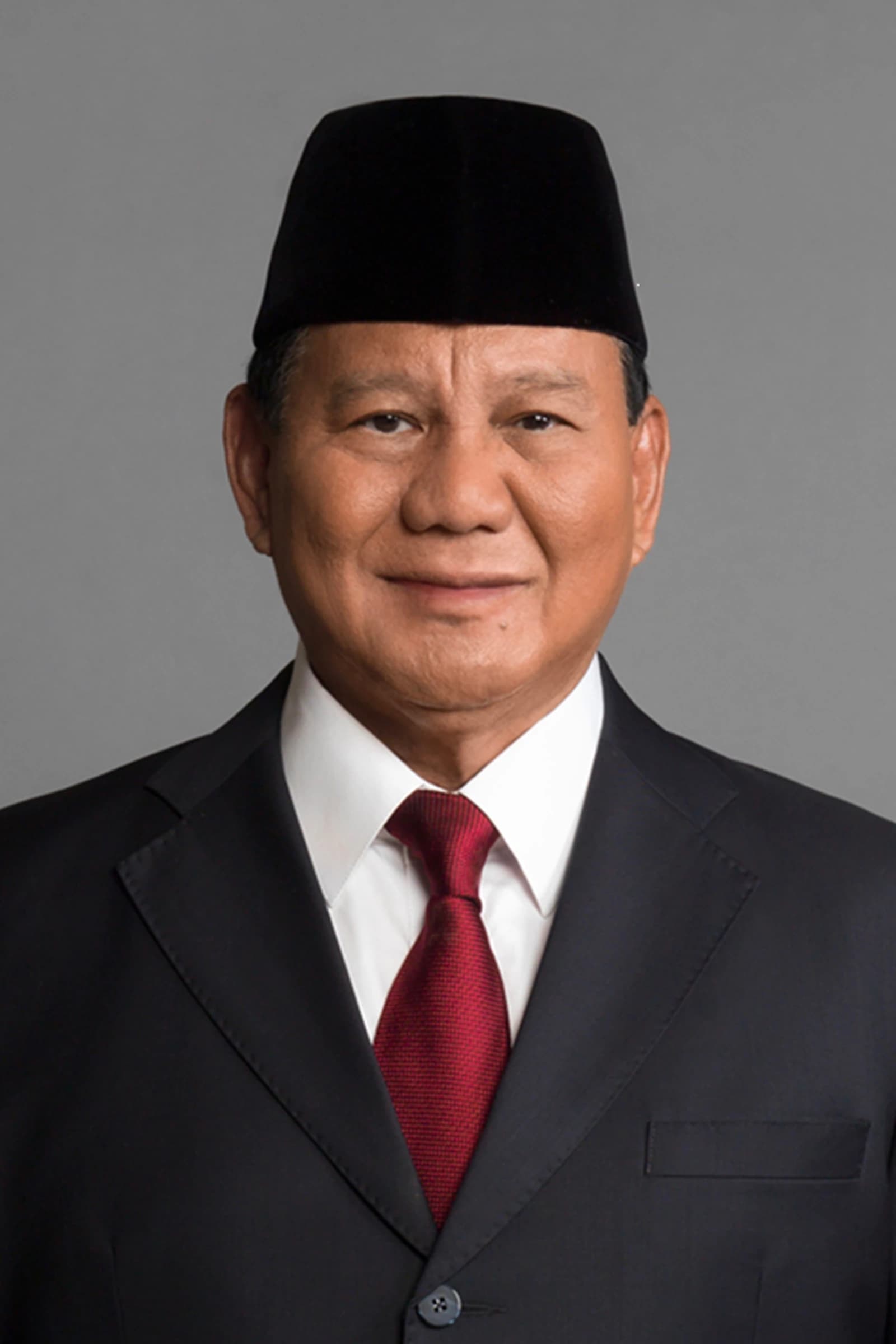
The bigger strategic change is the handover of operatorship from TotalEnergies to ExxonMobil PNG Antelope, with ExxonMobil set to hold 34.1% and run the project. That matters because Exxon already operates the neighboring PNG LNG venture, giving the combined development a common operator, potential construction synergies and a clearer path to use existing infrastructure. For a capital-intensive LNG project that has already been delayed by uneconomic contractor bids, operator alignment can be as important as geology.
Papua LNG is designed to tap the Elk-Antelope fields and produce about 5.6 million tonnes a year, largely for Asian buyers. TotalEnergies said project optimization and a renewed EPC tender have cut roughly $4 billion from costs since 2024, bringing estimated capital expenditure down to about $14 billion. That is a material reset for economics that had previously stalled the project and underscores how much discipline the industry now needs to sanction new LNG supply.
For Santos, the transaction raises long-dated LNG exposure at a time when the company is also bringing Barossa gas and the Pikka oil project toward production. A bigger Papua LNG stake would add about 19% to its expected share of output from the project, to roughly 1.2 million tonnes a year, strengthening its future LNG portfolio and increasing its weight in Papua New Guinea, where it already holds an interest in Exxon-operated PNG LNG.
Investors are likely to view the move through two lenses. The bull case is that Exxon’s operatorship and the lower cost base improve the probability of a final investment decision and eventual cash flow from a strategically located LNG asset close to Asia. The bear case is that the project is still conditional, exposed to regulatory timing, state back-in mechanics and the usual slippage that has dogged large LNG builds.
The stock market has already reflected Santos’ stronger LNG optionality: the shares have climbed sharply over recent months, and the latest close near A$8.35 leaves them trading well above the 50-day and 200-day moving averages. But the fundamental test remains whether Papua LNG can move from a paper restructuring to sanction and construction in 2026, because only then will the stake increase translate into earnings power rather than deferred capital.
| Entity | Gains | Losses |
|---|---|---|
| Santos | ▲Bigger LNG exposure | ▼Higher capital commitment |
| ExxonMobil | ▲Operatorship and control | ▼More execution burden |
| TotalEnergies | ▲Reduced project exposure | ▼Smaller ownership stake |
| Papua New Guinea state | ▲Stronger project governance | ▼Less direct project upside |