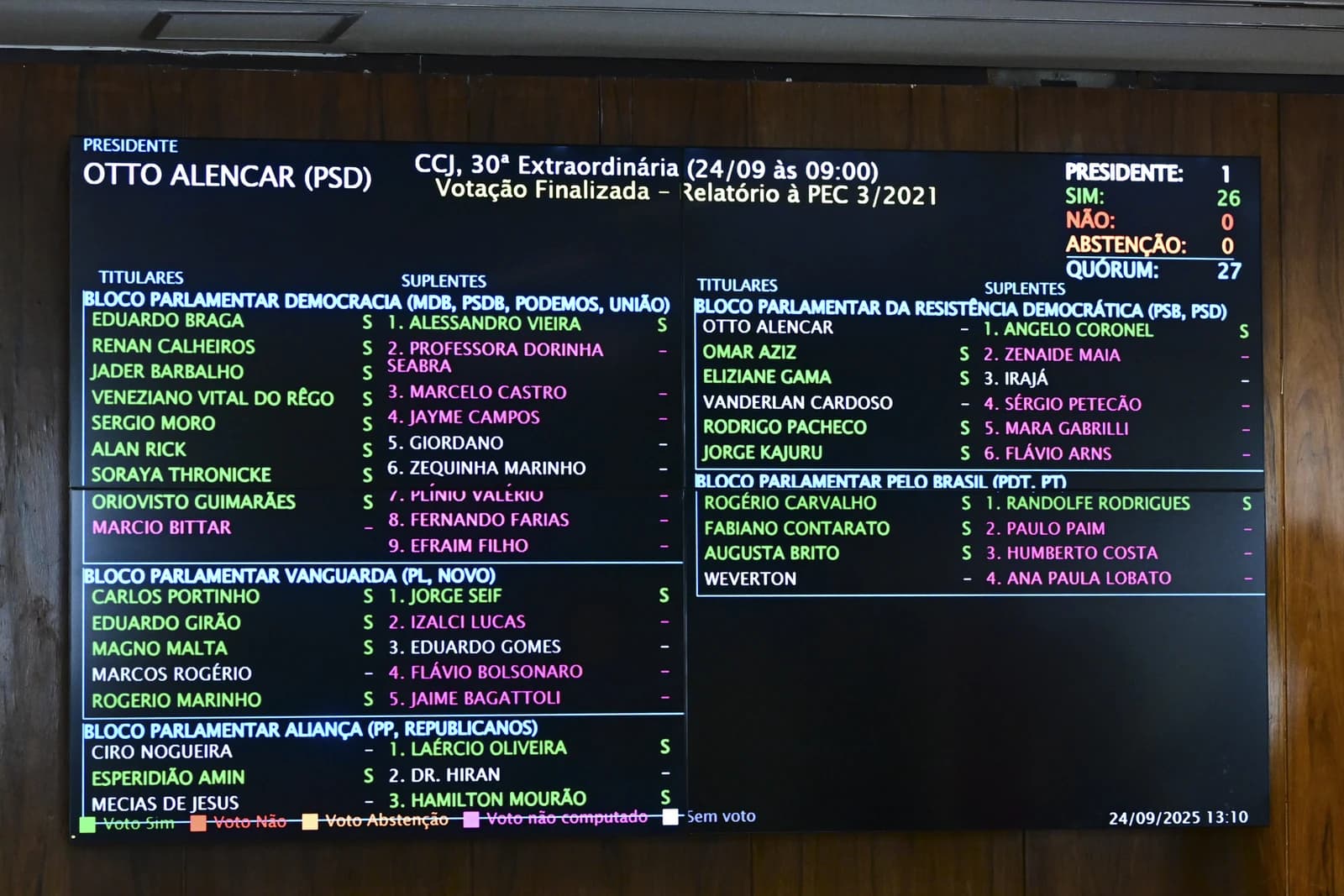
Ricardo Nunes said São Paulo will rename the city’s GCM as Municipal Police after Congress approved the constitutional amendment on public security, moving to formalize a shift that has already drawn legal challenges and political controversy.
São Paulo renames GCM as Municipal Police
The change matters because it is not just a matter of signage. It reflects a broader attempt to expand the institutional role and public-facing identity of municipal forces in Brazil’s largest city, with implications for law enforcement powers, budget priorities and the balance between city hall, state authorities and prosecutors. For investors and businesses with exposure to São Paulo, the reform is another sign that public security is becoming a more assertive policy area, with potential consequences for urban mobility, surveillance spending and the operating environment around retail, logistics and real estate.
Nunes said in an interview that vehicle decals and new uniforms will carry the “Polícia Municipal” name, adding that he has always used the term personally. The administration had already begun adopting the label in 2025, including on patrol vehicles and in social media campaigns tied to the Smart Sampa camera-monitoring program, but that effort was suspended after a São Paulo court sided with the state prosecutor’s office and halted the measure.
The new announcement gives the city a stronger political foundation to revive the rebranding, but it does not erase the legal risk. The PEC’s approval appears to strengthen the municipal government’s argument that city forces can be presented as police, yet the courts will still determine how far that authority extends in practice. That leaves the issue in a gray zone where symbolism may move faster than operational reality.
For the city, the upside is political: Nunes is aligning his administration with a tougher-on-crime message that resonates with voters and supports the Smart Sampa surveillance agenda. For opponents, the concern is that the rebrand could blur lines of accountability and encourage municipalities to stretch beyond their traditional remit. Investors should watch whether the change leads to higher spending on equipment, uniforms and monitoring systems, and whether it prompts more friction between city hall and the judiciary.
The most important near-term question is whether the rename remains mostly cosmetic or becomes part of a broader expansion in municipal public-security powers. If the legal and political backing holds, similar moves could spread to other cities. If it stalls again in court, the episode will underscore how contested Brazil’s security reform remains.
| Entity | Gains | Losses |
|---|---|---|
| Ricardo Nunes / City Hall | ▲Political capital | ▼Legal uncertainty |
| São Paulo municipal force | ▲Stronger identity | ▼Traditional GCM branding |
| Smart Sampa suppliers | ▲More spending | ▼Status quo procurement |
| Prosecutors / critics | ▲Institutional leverage | ▼Rebranding push |