SAP’s latest setback looks less like a broken story than a market reset, with investors selling first and asking later while JPMorgan keeps its price target unchanged and the broader Street still sees more room for the enterprise software leader to run. For long-term investors, that combination matters: the stock can wobble even when the underlying business is still building toward a stronger earnings base.
SAP Pullback Looks More Like Reset Than Reversal
The key question is not whether SAP has lost its growth case, but whether the market has started discounting too much caution too quickly. SAP sits at the center of a huge corporate spending cycle in cloud software, data and AI-enabled business tools, and that gives it leverage to compound earnings over time if execution stays steady. When a company with that kind of strategic position gets knocked down hard, the opportunity and the risk both increase.
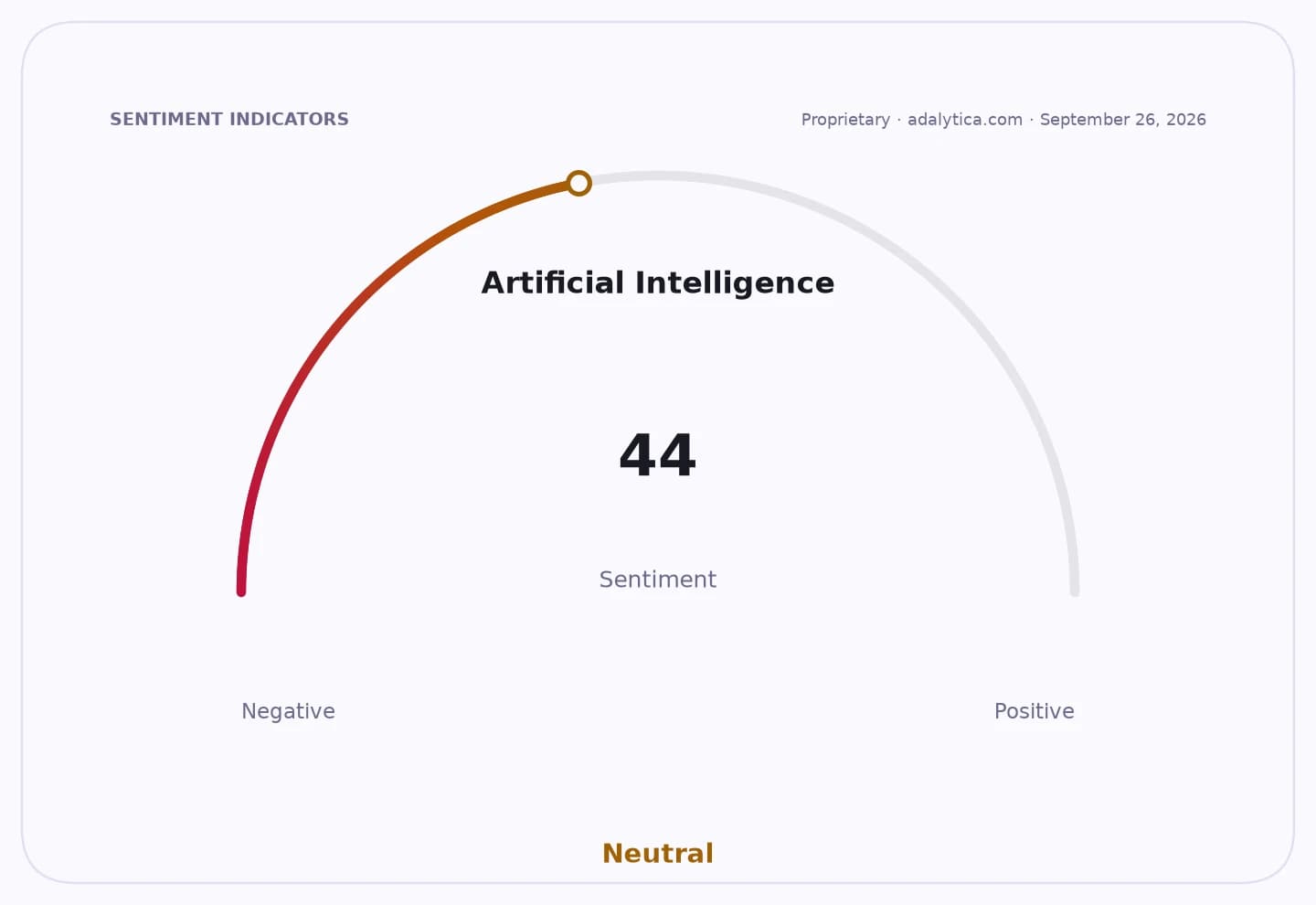
The share price tells the recent story. SAP fell to 146.38 euros on Thursday after closing as high as 196.11 euros in early June, a drop that has pushed the stock well below its 50-day moving average and far under its 200-day average. The technical picture has weakened too, with the relative strength index near 30, a level that often signals oversold conditions, while the MACD remains negative. None of that changes the business, but it does show how quickly sentiment can swing in a high-quality name when expectations get ahead of the next quarterly report.
That is why JPMorgan’s decision to stick with its target matters. In plain English, the bank is saying the pullback has not yet changed its longer-term valuation view. That is an important signal for investors because it suggests the debate is shifting from “is SAP still winning?” to “how much of that win is already priced in?” For a software company with recurring revenue, sticky enterprise customers and significant margins, that valuation question can drive returns just as much as the next earnings beat.
SAP’s recent operating backdrop supports the bulls more than the bears. The company had been benefiting from profit growth that topped expectations, and the Prior Labs acquisition showed management is still willing to spend for capability in areas tied to AI and data. That fits the broader enterprise-software race, where incumbents are trying to turn installed customer bases into longer-lived cloud relationships and higher-value products. In that context, SAP is not just defending its turf; it is trying to deepen its moat.
Still, the market is clearly demanding proof. Investors are waiting for the next quarterly numbers to see whether the recent surge in optimism was justified or whether the stock’s earlier run left it vulnerable to disappointment. That is especially relevant in a sector where competitors such as Oracle, Salesforce and Adobe are all trying to prove they can turn cloud and AI investments into durable growth. SAP does not need to win every battle, but it does need to keep converting its scale into cash flow.
For long-term investors, the takeaway is simple: this looks like a classic quality-stock reset, not a broken thesis. If SAP can show that its cloud and profit growth are holding up, today’s volatility may end up looking like a buying opportunity rather than the start of a larger decline. For now, the stock deserves a place on the watchlist, and patient investors should focus on the next few earnings cycles rather than the next few sessions.
| Entity | Gains | Losses |
|---|---|---|
| Long-term SAP investors | ▲Lower entry point | ▼Near-term volatility |
| JPMorgan | ▲Credibility on valuation call | ▼If SAP execution slips |
| SAP competitors | ▲If SAP stumbles | ▼If SAP regains momentum |
| Short-term traders | ▲Volatility opportunities | ▼Oversold snapback risk |