Sasol’s 120% rally this year is the clearest sign yet that investors are paying up for companies that can turn expensive crude into cash, and that its coal-to-liquids model is suddenly in favour.
Sasol Rallies on Higher Oil Prices and Debt Cuts
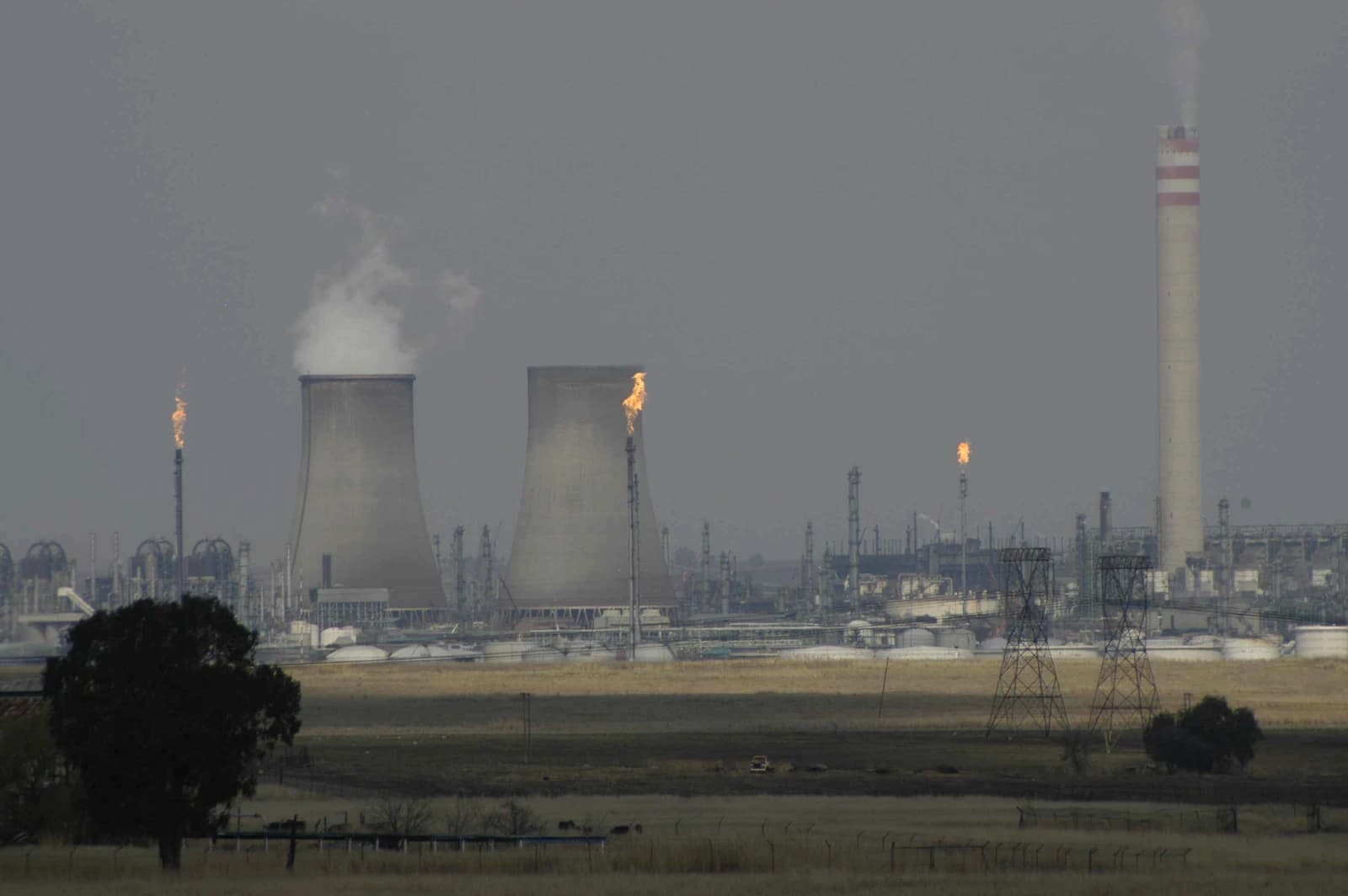
The South African producer has emerged as the top-performing emerging-market stock outside Asia after a surge in energy and chemicals prices, helped by the fact that most of its output is made from coal rather than imported crude. That insulates Sasol from the worst of Middle East supply risks and gives it a cost advantage at a time when conventional refiners are buying oil around $100 a barrel.
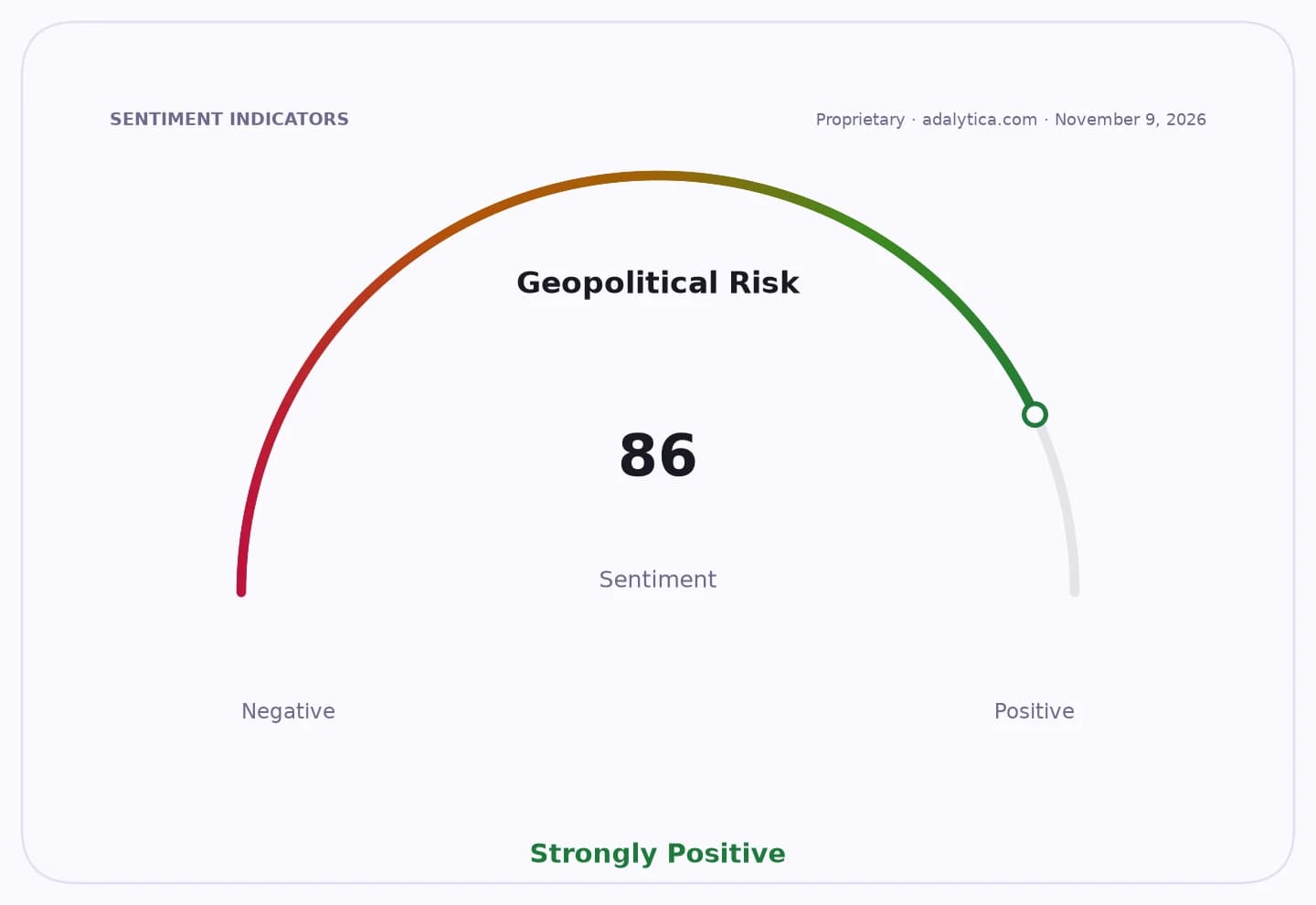
Sentiment Indicators
Oil WTI
The rerating matters because Sasol has spent years as a balance-sheet repair story, not a momentum trade. Shares lost 85% between June 2022 and April 2025 as debt ballooned and projects slipped, but the company has since reversed part of that damage with improved operations, lower leverage and stronger pricing. Net debt fell 11% in the year ended June 30, and management has signalled that further progress could allow dividends to resume for the first time in more than two years.
The investment case now rests on whether elevated oil prices persist long enough to lock in those gains. Synthetic fuel production at Sasol’s Secunda plant is running at five-year highs, according to results released Sept. 1, giving the company unusual operating leverage at a time when many refiners are paying up for feedstock. That is why analysts such as SBG Securities’ Adrian Hammond see room for the stock to nearly double from current levels to 450 rand, arguing that local investors have yet to fully reprice the business.
The market is not unanimous. Bloomberg-compiled ratings show four buy calls, five holds and two sell-equivalent recommendations, with an average target of 238.01 rand, only modestly above the latest trade around 231.60 rand. HSBC’s Sriharsha Pappu still rates the stock a buy, but says an oil-price reversal could quickly stall the rally, underscoring how much of the upside depends on a supportive commodity backdrop rather than a structural reset alone.
Macro conditions are also helping. Investor sentiment toward South Africa has improved on reform momentum and cooling inflation, which has added a domestic tailwind to Sasol’s own operational turnaround. If crude remains high, the company can keep cutting debt, strengthen its balance sheet and potentially restore dividends — a combination that would likely deepen institutional interest in a stock that was ignored for much of its long decline.
For investors, the key question is whether Sasol can keep converting a geopolitical shock into durable earnings power. If oil prices soften, the trade could unwind just as quickly as it emerged. If they stay elevated, Sasol’s coal-based model may keep it one of the rare emerging-market names delivering both cyclical upside and a cleaner earnings path than traditional refiners.
| Entity | Gains | Losses |
|---|---|---|
| Sasol | ▲Higher margins, rerating | ▼Oil-price reversal risk |
| Equity holders | ▲Potential dividend resumption | ▼Volatility after sharp rally |
| Conventional refiners | ▲None | ▼Costlier crude feedstock |
| Short sellers | ▲None | ▼Momentum-driven squeeze |