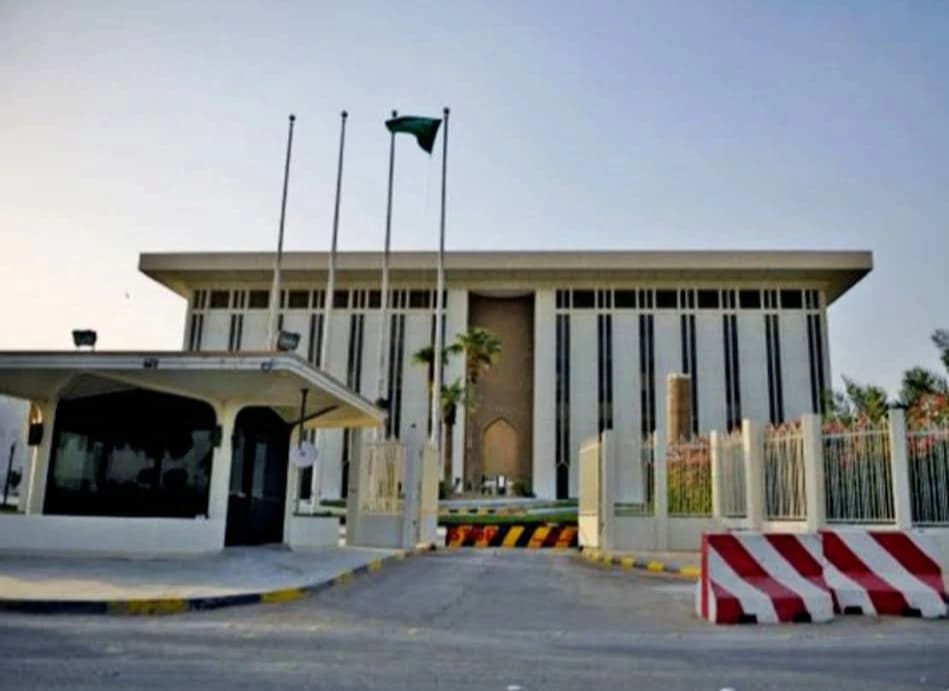
Saudi Arabia’s economy is holding up well, with inflation at 1.8% and the riyal stable against major currencies, reinforcing the kingdom’s status as one of the lowest-inflation major economies as global price pressures remain uneven.
Saudi Arabia Inflation at 1.8% and Riyal Stable

The assessment from the Council of Economic and Development Affairs matters because low and steady inflation gives policymakers room to support growth without risking a sharper price spike. It also helps preserve household purchasing power and reduces the odds that the Saudi central bank will need to lean more aggressively on rates.
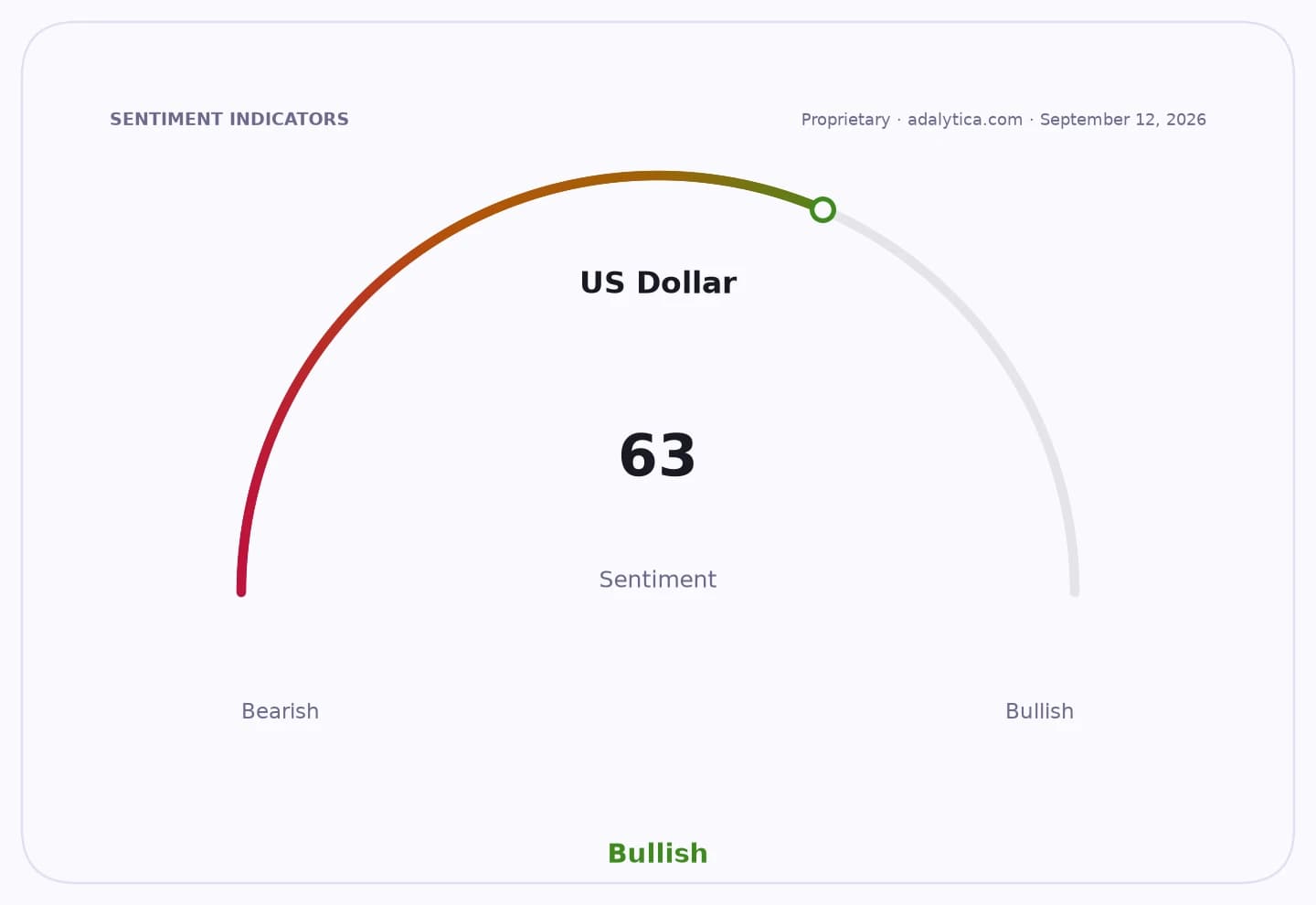
Sentiment IndicatorsⓘProprietary · adalytica.com · September 6, 2026
This is a snapshot — live sentiment, awareness and momentum for 130+ markets update continuously in the dashboard.Open AlphaPulse
For investors, the combination of contained inflation and currency stability is a sign of policy credibility and macro resilience. That tends to support local equities, sovereign credit and domestic demand sectors, while limiting the imported inflation risk that can hit margins for retailers, manufacturers and consumer-facing businesses.
The riyal’s stability also matters because it underpins confidence in Saudi financial assets and reduces volatility for companies with imported inputs or dollar-linked liabilities. A stable currency can make it easier for businesses to plan capital spending and for foreign investors to price returns in the kingdom’s markets.
The Saudi stock market’s 0.3% gain in the latest session fits that backdrop, suggesting investors are treating the macro picture as supportive even with regional tensions still in the background. Adalytica’s Global Stability Sentiment gauge, however, shows fear has returned sharply, a reminder that geopolitical risk can still overshadow otherwise solid domestic data.
The message from the quarterly review is that Saudi Arabia is entering the next stretch of growth from a position of relative strength. The key test now is whether inflation stays anchored and whether external shocks leave the riyal, rates and risk appetite intact.
| Entity | Gains | Losses |
|---|---|---|
| Saudi consumers | ▲More purchasing power | ▼Less urgency for relief |
| Saudi policymakers | ▲Macro credibility | ▼Less room to claim victory |
| Local equities | ▲Supportive backdrop | ▼Geopolitical risk premium |
| Import-sensitive businesses | ▲Stable costs | ▼Stronger demand for hedging |