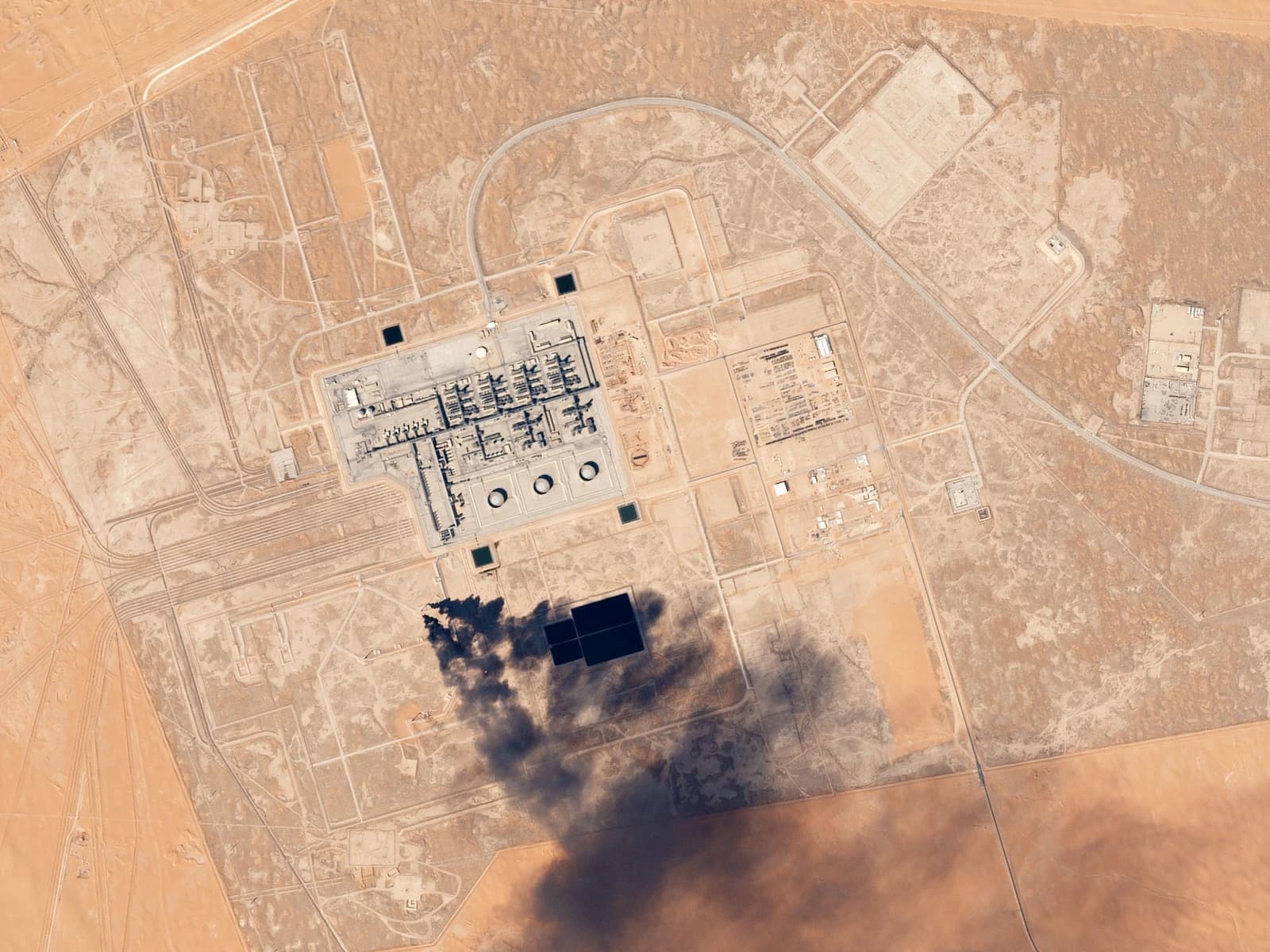
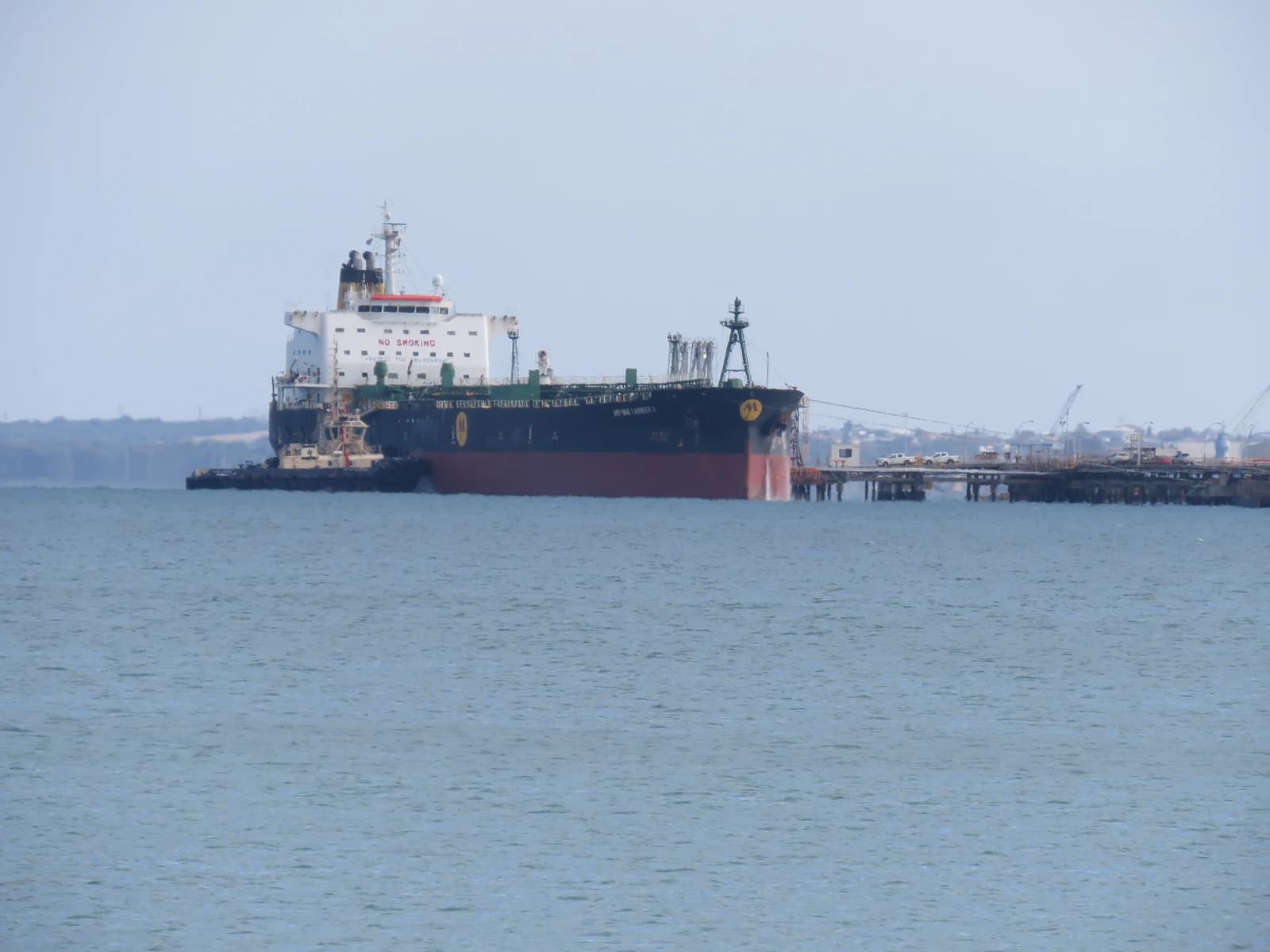
Saudi Aramco has lowered the price of its flagship Arab Light crude for Asian buyers to the lowest level in six years, underscoring weakening demand in the world’s biggest importing region and adding fresh pressure to a crude market already struggling to find momentum.
Saudi Aramco cuts Arab Light to 6-year low
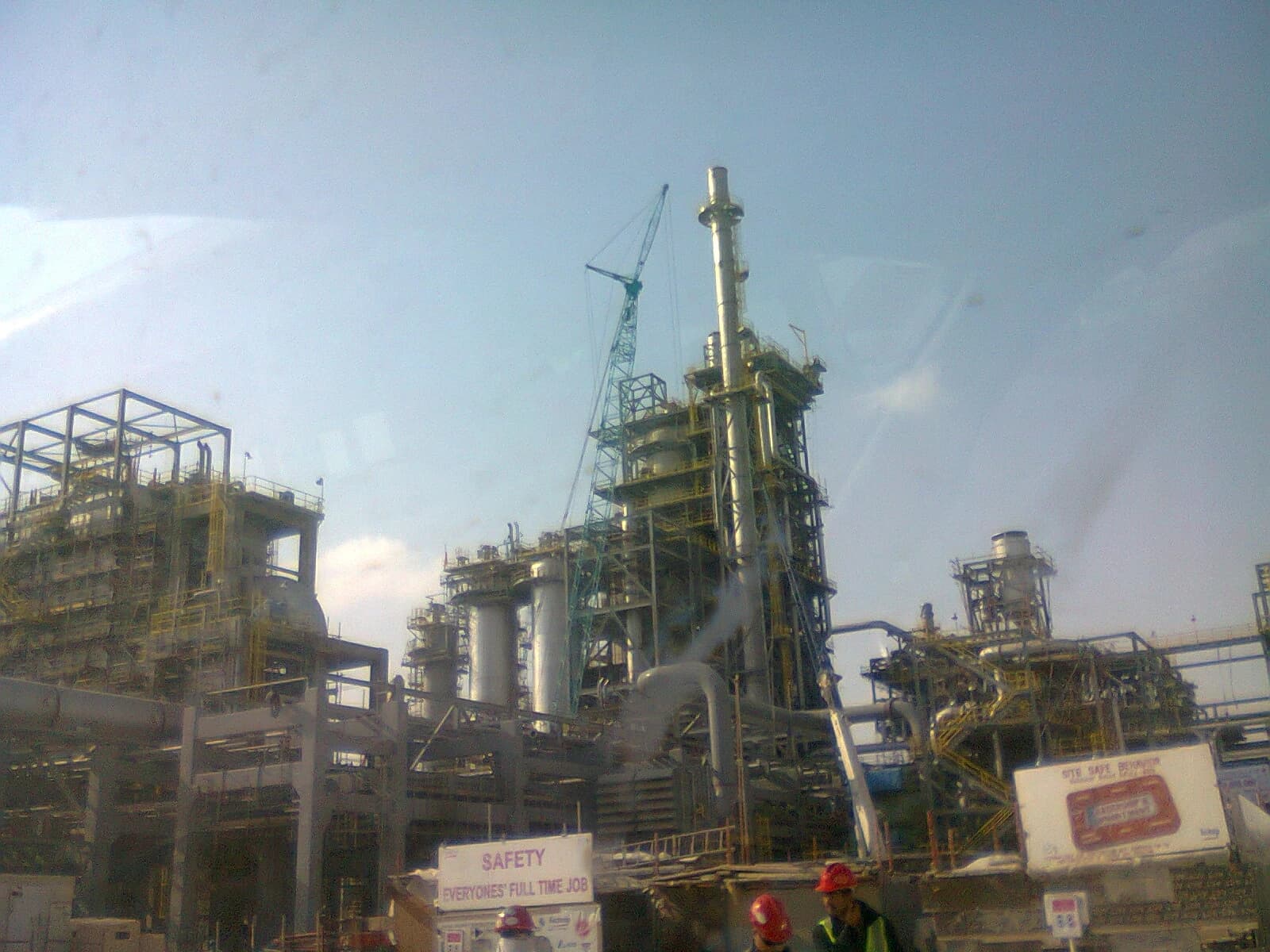
The move matters because Saudi official selling prices are the benchmark for much of the Middle East crude sold into Asia. A deeper cut from Aramco usually reflects a softer physical market, weaker refinery appetite or both, and it can shape buying decisions across the region. For producers, it points to thinner pricing power. For refiners, especially in China, India and other large Asian importers, it improves feedstock costs and can widen margins if product demand holds up.
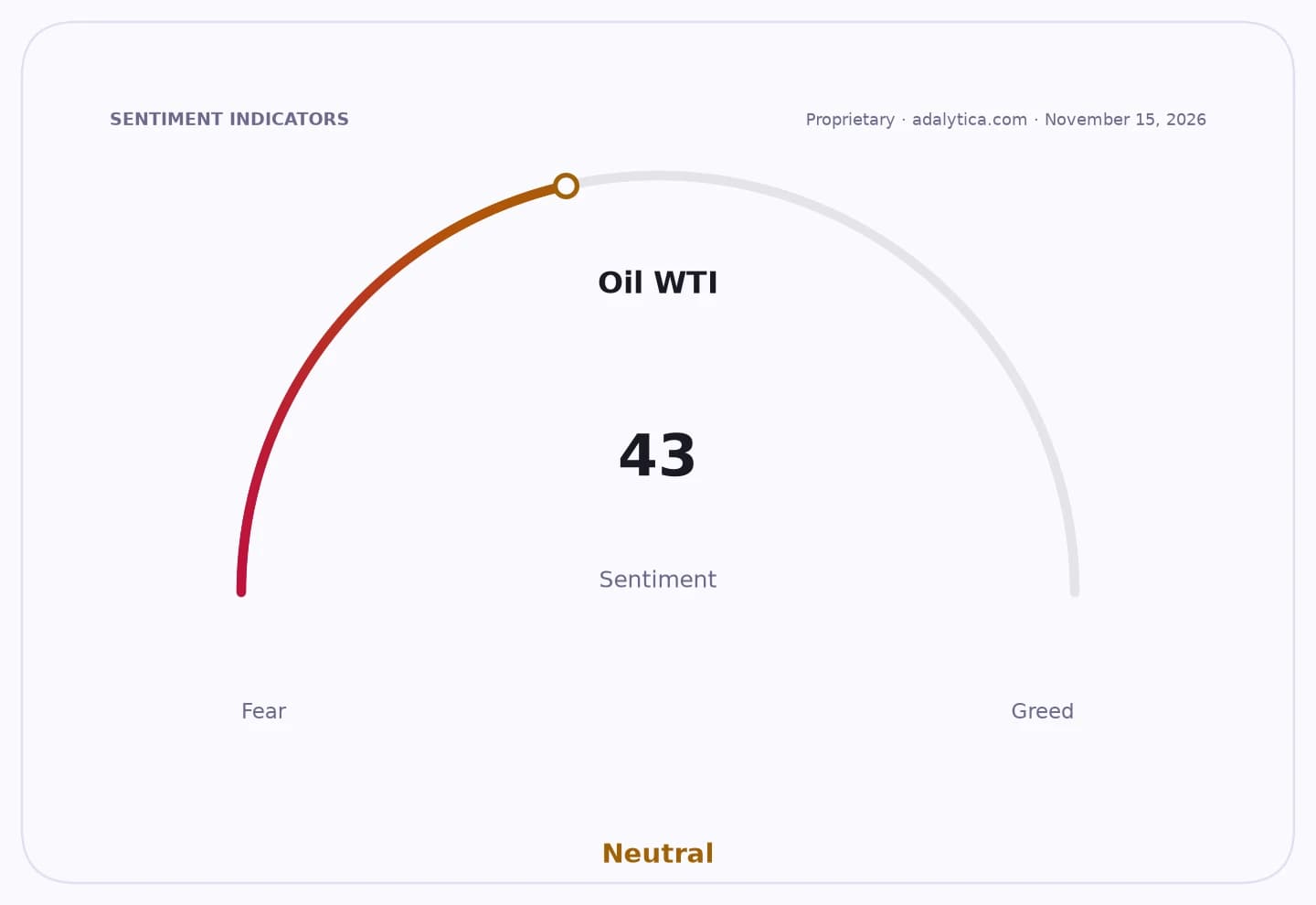
Sentiment Indicators
The pricing decision comes against a backdrop of broad oil weakness. WTI has fallen about 6% over the past week and the U.S. benchmark oil fund, USO, has dropped below both its 50-day and 200-day moving averages, with its relative strength index sinking into oversold territory. Brent has also slipped under its 200-day moving average and dipped below $90 a barrel, a sign that the market’s recent bounce has run out of steam.
That softness is showing up across the energy complex. BNO, the Brent-tracking exchange-traded fund, has retreated sharply from its earlier highs, while oilfield services shares tracked by OIH have lost ground, reflecting investor concern that lower crude prices could eventually slow upstream spending. Adalytica’s oil trade signals still show extreme greed, but the awareness reading is in extreme fear territory, a combination that suggests the market is positioned for volatility rather than conviction.
For Aramco, the lower Asian pricing also reflects the company’s role as the market maker of last resort in crude. Saudi pricing is often used to defend market share against rival barrels from the U.S., West Africa and Russia. A large discount can help keep volumes moving, but it also signals that the producer sees little need to squeeze customers in a weaker market. That is supportive for sales volumes, but it can compress revenue per barrel just as the oil market loses momentum.
Investors will watch whether the price cut spills into other grades and whether rival Gulf producers follow. If demand in Asia remains sluggish into year-end, further downward revisions could reinforce the view that oil has entered a lower-for-longer phase. A steadier global growth backdrop or any supply disruption could quickly reverse that tone, but for now Aramco’s move is another sign that pricing power is shifting away from producers and back to buyers.
| Entity | Gains | Losses |
|---|---|---|
| Asian refiners | ▲Lower crude costs | ▼Less pressure on margins |
| Aramco | ▲Protects market share | ▼Lower realized pricing |
| Rival crude exporters | ▲Harder to compete on price | ▼Lost sales leverage |
| Oil producers broadly | ▲— | ▼Weaker benchmark pricing |