Hester Peirce’s decision to leave the Securities and Exchange Commission removes the agency’s most prominent crypto advocate just as Washington is trying to write the rules for a market still struggling with fraud, custody and disclosure risks.
SEC Crypto Advocate Hester Peirce To Leave Agency
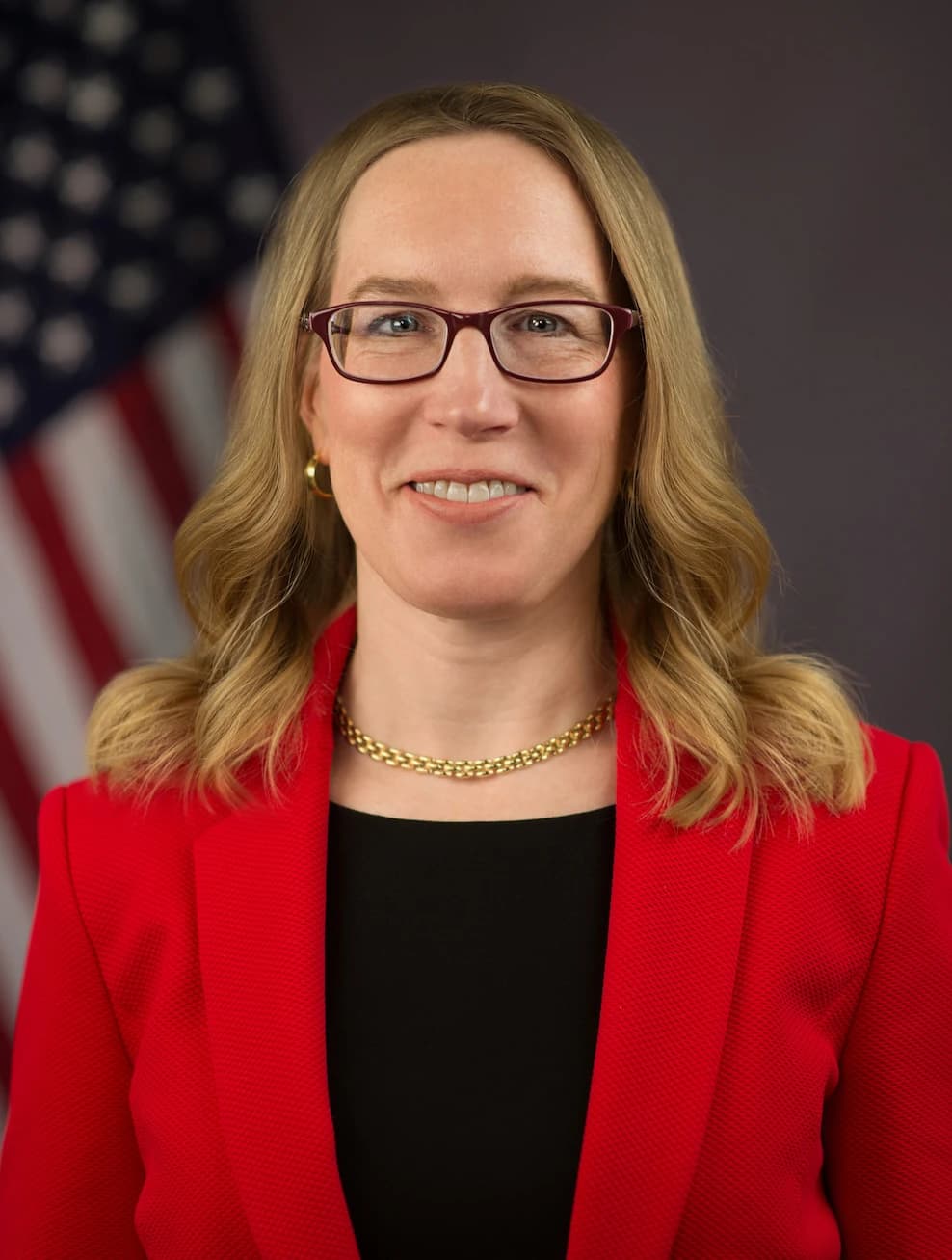
Peirce, long known in the industry as “Crypto Mom,” said in a post on X that she will step down effective Oct. 2, ending a nearly nine-year run at the commission and leaving the SEC with only two sitting commissioners, Paul Atkins and Mark Uyeda, enough for formal action but with three seats empty. The vacancy matters because Peirce had led the SEC’s Crypto Task Force and had been one of the clearest voices inside the regulator pushing for rules tailored to digital assets rather than continued enforcement-first policymaking.
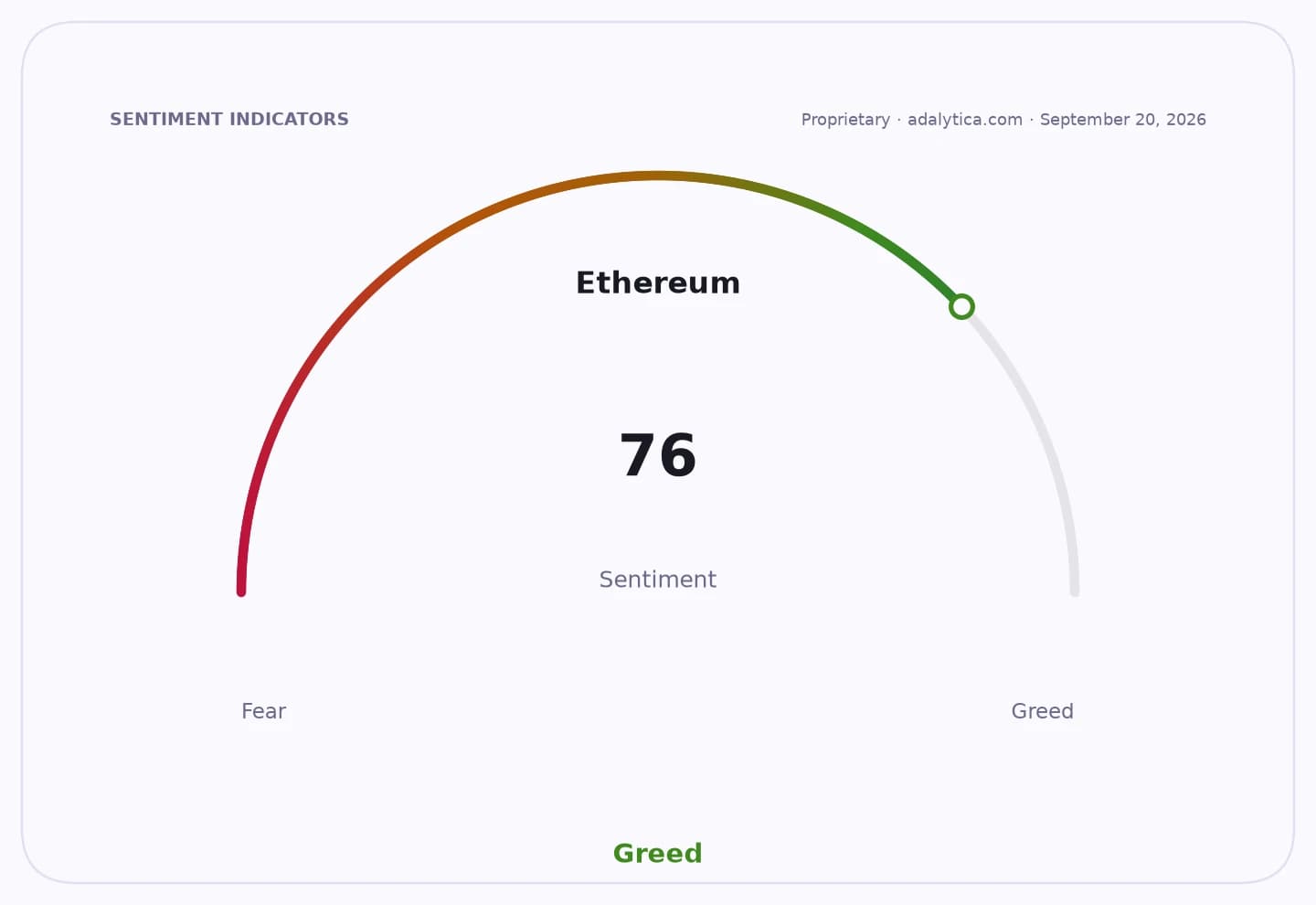
Sentiment IndicatorsⓘProprietary · adalytica.com · October 6, 2026
This is a snapshot — live sentiment, awareness and momentum for 130+ markets update continuously in the dashboard.Open AlphaPulse
For markets, her exit is less about one person than about the pace and direction of US crypto regulation. Peirce was the most visible internal champion of concepts such as safe-harbor periods for token projects and narrower, privacy-preserving compliance tools. Her departure removes a bridge between the industry and a regulator that has spent years pressing cases against exchanges and token issuers. That raises the odds that the SEC’s next phase on crypto will be slower, more fragmented and more dependent on who fills the open seats and how Chairman Atkins chooses to prioritize the agenda.
The timing also lands as other US regulators move in the opposite direction. The CFTC has proposed new federal rules for crypto asset transactions and markets, and lawmakers and state regulators continue to expand oversight after a series of high-profile hacks and frauds. Peirce’s own farewell speech underscored the debate now shaping policy: she argued regulators can catch criminals without collecting more personal data, citing zero-knowledge proofs and attribute-based credentials as ways to verify identity or sanctions status without exposing underlying information.
That message will resonate with firms trying to build compliant products, from exchanges to custody providers to brokers, because the regulatory framework still determines where capital and product development flow. Coinbase, Robinhood and bitcoin proxies such as MicroStrategy all remain exposed to how quickly the US creates a workable rulebook for trading, custody and token issuance. In the near term, Peirce’s departure is unlikely to change business fundamentals immediately, but it does add another layer of uncertainty to a sector that has repeatedly rerated on hopes of clearer policy.
The broader investor implication is that the market is still trading not just on bitcoin prices, but on the probability of regulatory normalization in the US. Without Peirce, that path looks less certain. Until the White House nominates replacements and the SEC defines where it wants to draw the line on digital assets, crypto-related equities may keep responding to headlines as much as to fundamentals.
| Entity | Gains | Losses |
|---|---|---|
| Crypto skeptics / enforcement hawks | ▲Tighter scrutiny | ▼A softer SEC |
| Crypto industry / token projects | ▲None immediately | ▼Key internal advocate |
| Coinbase, Robinhood, crypto brokers | ▲Clarity if rules advance | ▼Policy uncertainty |
| Regulators waiting on nominees | ▲Time to reset agenda | ▼Momentum on crypto rulemaking |