Crypto’s biggest political spenders are reassessing whether to keep bankrolling Democrats after a Senate defeat on the Clarity Act turned their push for regulatory certainty into a midterm dilemma.
Crypto PACs Reassess Democratic Donations After Clarity Defeat
The industry has already spent more than $300 million across the current and previous election cycles backing candidates in both parties, a strategy that helped secure last year’s law on dollar-backed stablecoins but failed to stop every Senate Democrat and a handful of Republicans from blocking Clarity last month. For investors in Coinbase, Ripple and other crypto-linked firms, the fight matters because the outcome will shape whether Washington delivers the clearer rules executives say are needed to support product growth, exchange listings and institutional adoption.
The split has put donors in a bind. Punish Democrats who opposed the bill, or preserve the bipartisan relationships the industry has spent years building ahead of 2026 and beyond? Nine Democrats are up for reelection in the Senate, including lawmakers such as Cory Booker and Mark Warner who were viewed as allies but still voted no over concerns about officeholder crypto dealings.
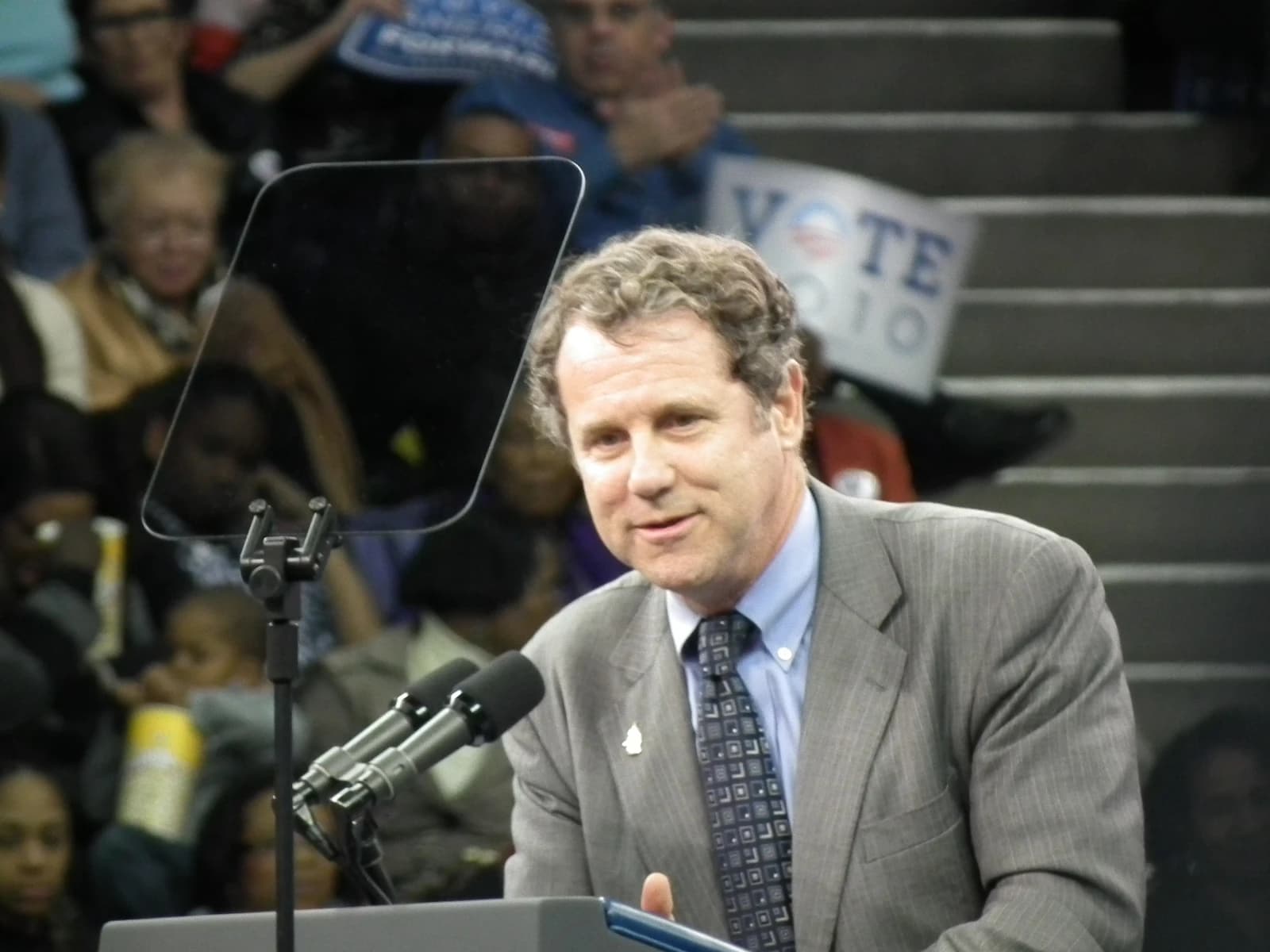
Crypto PACs are already targeting specific races. Fairshake, backed by Coinbase and Ripple, started the year with $193 million and has spent on 57 contests this cycle; it said Monday it will support 32 House candidates from both parties, but has not disclosed a Senate strategy. The group spent about $40 million last year helping oust Ohio Democrat Sherrod Brown and is now spending $30 million against his comeback bid, while the Winklevoss-backed Digital Freedom Fund is putting $3 million into the Ohio race and $400,000 into Iowa’s open Senate contest.
For markets, the political battle is more than campaign positioning. A friendlier Congress would increase the odds of legislation that gives crypto firms a steadier legal footing, while a more hostile Senate could extend the regulatory uncertainty that has long weighed on the sector’s valuations, fundraising and business expansion plans.
That uncertainty is landing as crypto markets remain volatile. Coinbase shares have fallen to $172.00 from $185.74 on Oct. 6, with the stock’s 50-day moving average at $174.25 and RSI readings sliding to 29.5, a technical signal of heavy selling pressure. Strategy, the biggest public corporate holder of bitcoin, dropped to $151.47 from $164.55 over the same stretch, while bitcoin slipped to $81,799.37 from $85,557.56.
The industry’s next move will hinge on whether donors decide to make the Clarity vote a referendum on Democrats or revert to their usual bipartisan playbook. Senate control would also determine which party oversees key committees and whether lawmakers friendly to crypto or skeptical of Trump-linked digital asset activity shape the next round of hearings and legislation.
| Entity | Gains | Losses |
|---|---|---|
| Crypto PACs | ▲Leverage with lawmakers | ▼Bipartisan ties if they overplay hand |
| Republicans backing Clarity | ▲More crypto funding | ▼Little downside if Senate shifts |
| Democrats opposing Clarity | ▲Less industry cash risk | ▼Midterm fundraising pressure |
| Coinbase, Ripple and peers | ▲Chance for clearer rules | ▼Prolonged legal uncertainty |