Foreign visitors to Seoul spent 8.84 trillion won in the first nine months of the year, already surpassing all of 2024 and underscoring how quickly inbound tourism is translating into real money for the city’s retailers, clinics and restaurants.
Seoul foreign visitor spending tops 8.84 trillion won
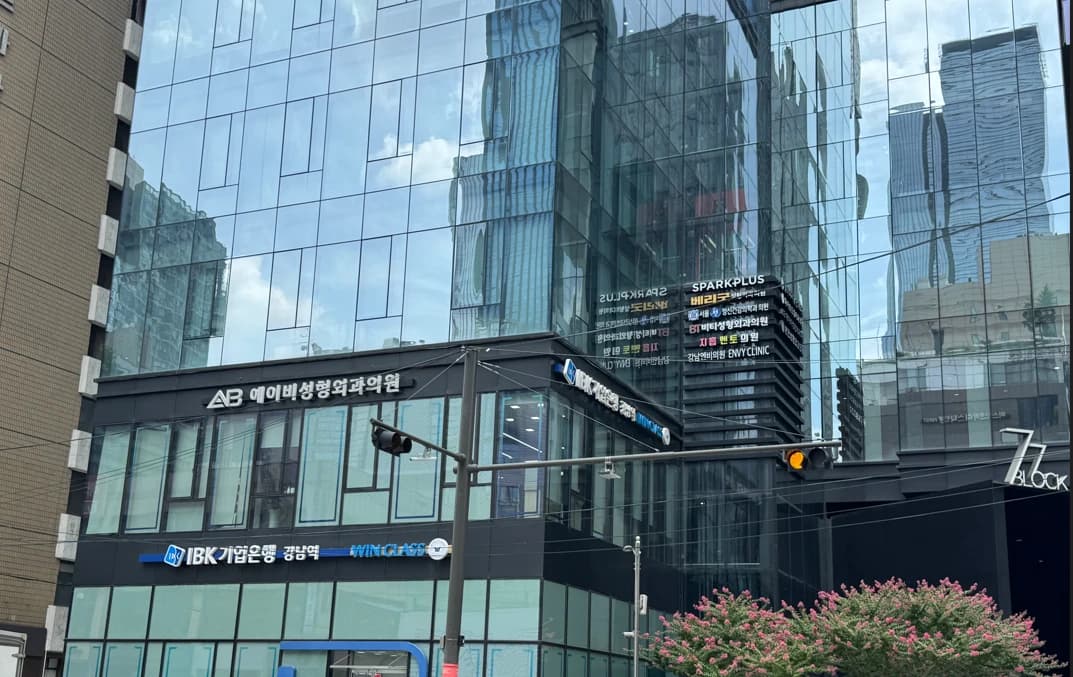
The 57.7% jump in foreign card spending outpaced the 21.5% rise in visitor arrivals, showing that each traveler is spending more than before. That matters economically because tourism is increasingly acting as a direct consumer-spending engine for Seoul, not just a recovery story for hotels and attractions.
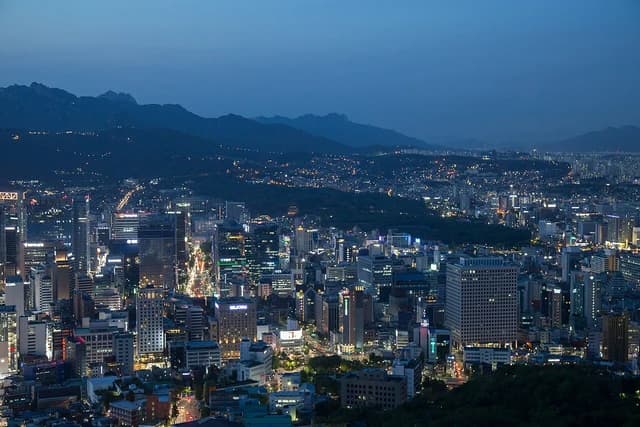
The city said the total exceeded last year’s full-year 7.94 trillion won after just nine months, putting 10 trillion won for the year within reach. Foreign visitors hit 13.14 million in the period, with monthly spending topping 1 trillion won for six straight months from April through September.
Shopping accounted for 46% of spending, followed by medical and wellness services at 23.8%, food and beverages at 13.3% and lodging at 10.4%. That mix suggests the tourism rebound is feeding both discretionary retail sales and higher-value services, including the medical tourism segment that has become a bigger draw for visitors from abroad.
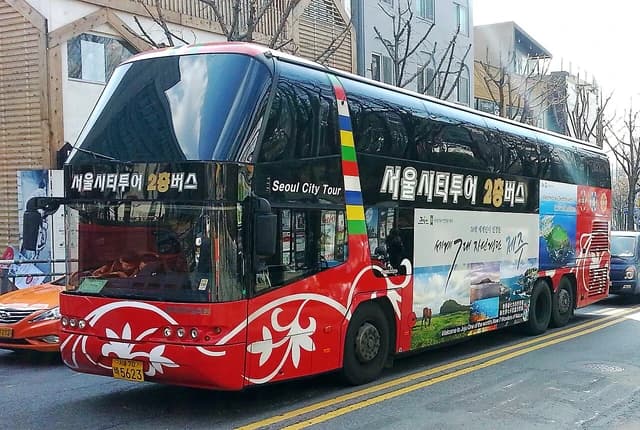
The gains are spreading beyond Seoul’s traditional hotspots. While Gangnam, Jung-gu and Mapo still made up 64.4% of foreign card spending, districts such as Seongdong and Gangdong posted triple-digit growth, and spending in alleyway commercial districts rose 80.5% to 308.2 billion won. Traditional markets also saw sharp increases, led by Gwangjang Market’s 113.4% jump.
For investors, the trend points to stronger demand for Korean retail, cosmetics, hospitality, food services and medical-related operators tied to inbound tourism, while also supporting the won’s tourism-related receipts and local small-business earnings. It also reinforces Seoul’s push to expand late-night tourism, food-focused districts and wellness offerings to keep visitors spending longer and farther from the core luxury corridors.
The challenge now is to convert record arrivals into longer stays and broader geographic spending, as Seoul aims to build on a tourism boom that is increasingly reshaping the city’s consumer economy.
| Entity | Gains | Losses |
|---|---|---|
| Seoul retailers and malls | ▲Higher tourist sales | ▼Reliance on core districts |
| Medical and wellness providers | ▲Rising foreign demand | ▼Capacity pressure |
| Alleyway shops and traditional markets | ▲Broader visitor flows | ▼Share still below major hubs |
| Hotels and food operators | ▲More tourist spending | ▼Need to lift stay length |