A new kind of travel is turning discomfort into a premium product, with young consumers paying for high-altitude hikes, oxygen tanks and punishing itineraries as adventure tourism gains traction across Asia.
Asia adventure tourism turns hardship into a premium
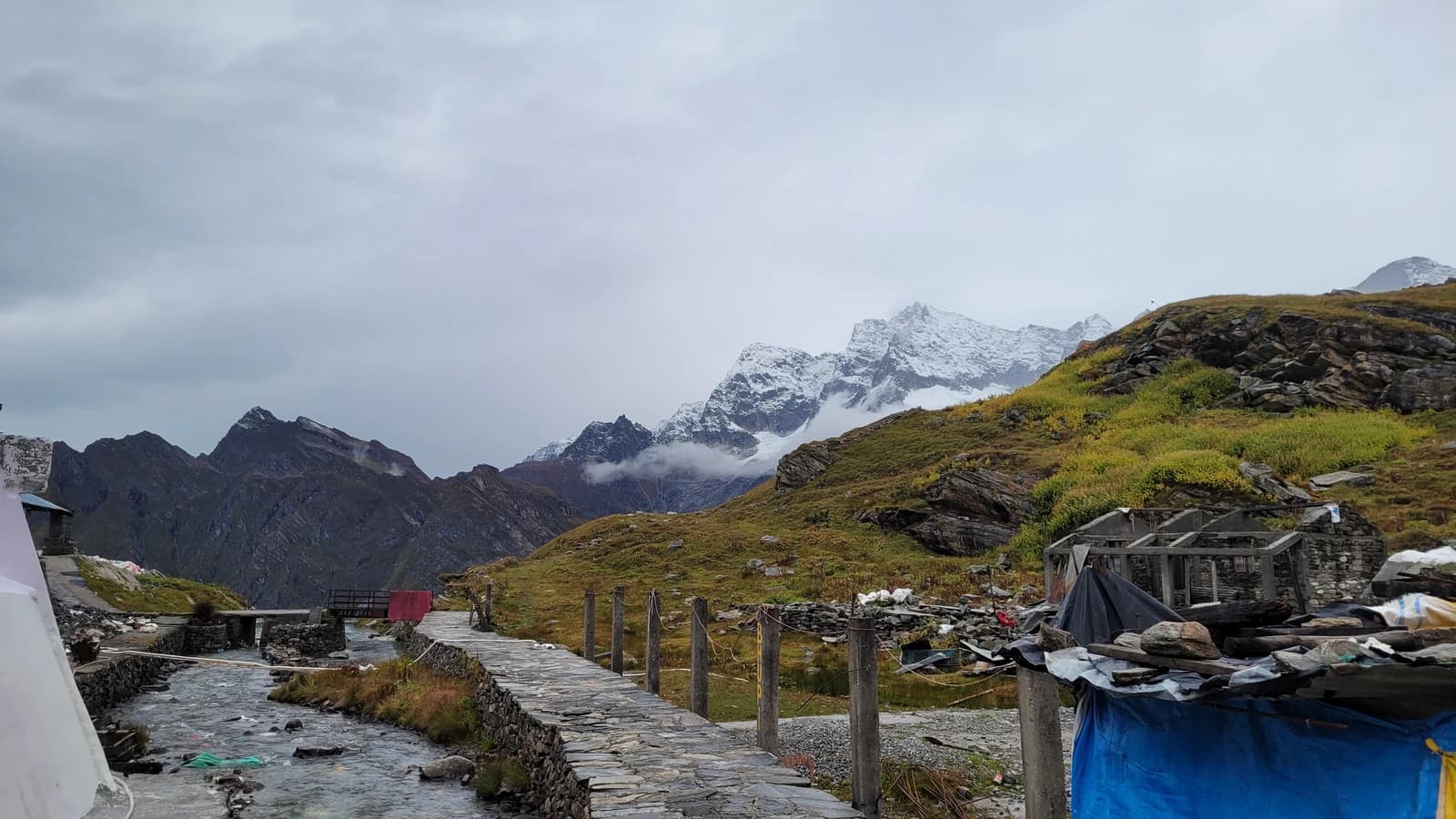
The shift matters because it shows demand is moving away from conventional leisure toward experiences that combine fitness, status and social media value. For operators, that opens a higher-margin niche built on guided treks, specialist logistics and bundled services. For travellers, it means more choice — but also higher physical and safety risks, especially as destinations are marketed around endurance rather than relaxation.
Tripadvisor’s Trendcast 2026 report, based on search, booking and review data from 2024 and 2025, said adventure experience bookings jumped 79% from a year earlier and identified “sweaty” travel — trips built around strenuous activity — as one of next year’s biggest trends. Skyscanner found 71% of travellers are considering or planning a mountain trip this summer or autumn. In Vietnam, nearly 54% of Gen Z plan to travel more in 2026, while local tour operators say 65% to 70% of younger travellers now prefer short two- to five-day trips packed with activities rather than standard package tours.
That demand is showing up in product design. Routes such as Tà Xùa, Lảo Thẩn and Fansipan are being packaged as new adventure offerings in Vietnam, while a longer and more expensive version of the same trend is emerging in China’s Daocheng Yading, where tour operators in Hanoi and Ho Chi Minh City are selling six- to seven-day packages at about 26 million to 36 million dong a person. Some itineraries include oxygen canisters, a reminder that the experience is being marketed as much for endurance as for scenery.
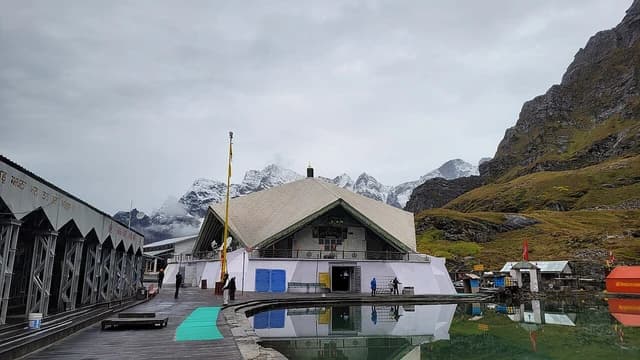
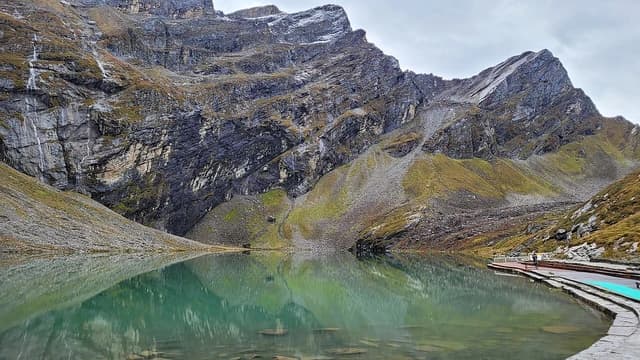
The economics are straightforward: travellers are paying for a curated ordeal. At Daocheng Yading, the airport sits 4,411 metres above sea level, where oxygen intake is around 60% of sea-level levels, and the hike from the meadow to the Milk Lake and Five-Color Lake area takes hours at elevations of 4,500 to 4,700 metres. The destination’s appeal is strongest in autumn, when the valleys turn red and gold against snow peaks. On Trip.com, it has more than 11,000 reviews with a 4.6 out of 5 rating, suggesting the pain point is not suppressing demand.
But the social media visibility of hardship should not be confused with broad participation. In one of Vietnam’s best-known climbs, Fansipan drew 2,703 trekkers from January 1 to April 15, with foreign visitors accounting for about 75% of the total and Vietnamese travellers only 25%, according to local reports. That gap suggests the trend is still concentrated among a relatively small but willing segment, even if online posts make it look ubiquitous.
For investors and operators, the bull case is that adventure travel can lift spend per trip, expand ancillary revenue from guides, transport, equipment and insurance, and differentiate destinations that struggle to compete on beaches or urban leisure alone. The bear case is that the segment is vulnerable to weather, safety incidents, altitude sickness and the possibility that some of the demand is performative rather than repeatable. The more extreme the experience, the more dependent it is on both trust and execution.
That is why the bigger story is not just people posting that they “bought hardship” for 26 million dong. It is that a generation of travellers is increasingly willing to pay for difficulty — and the travel industry is learning how to sell it without turning “pleasure of the second kind” into a medical emergency.
| Entity | Gains | Losses |
|---|---|---|
| Adventure tour operators | ▲Higher ticket prices | ▼Greater safety liability |
| Young travellers | ▲Social status, achievement | ▼Physical strain, altitude risk |
| Mountain destinations | ▲Stronger demand, longer stays | ▼Environmental pressure |
| Traditional package tours | ▲Less relevance | ▼Share to niche experience trips |