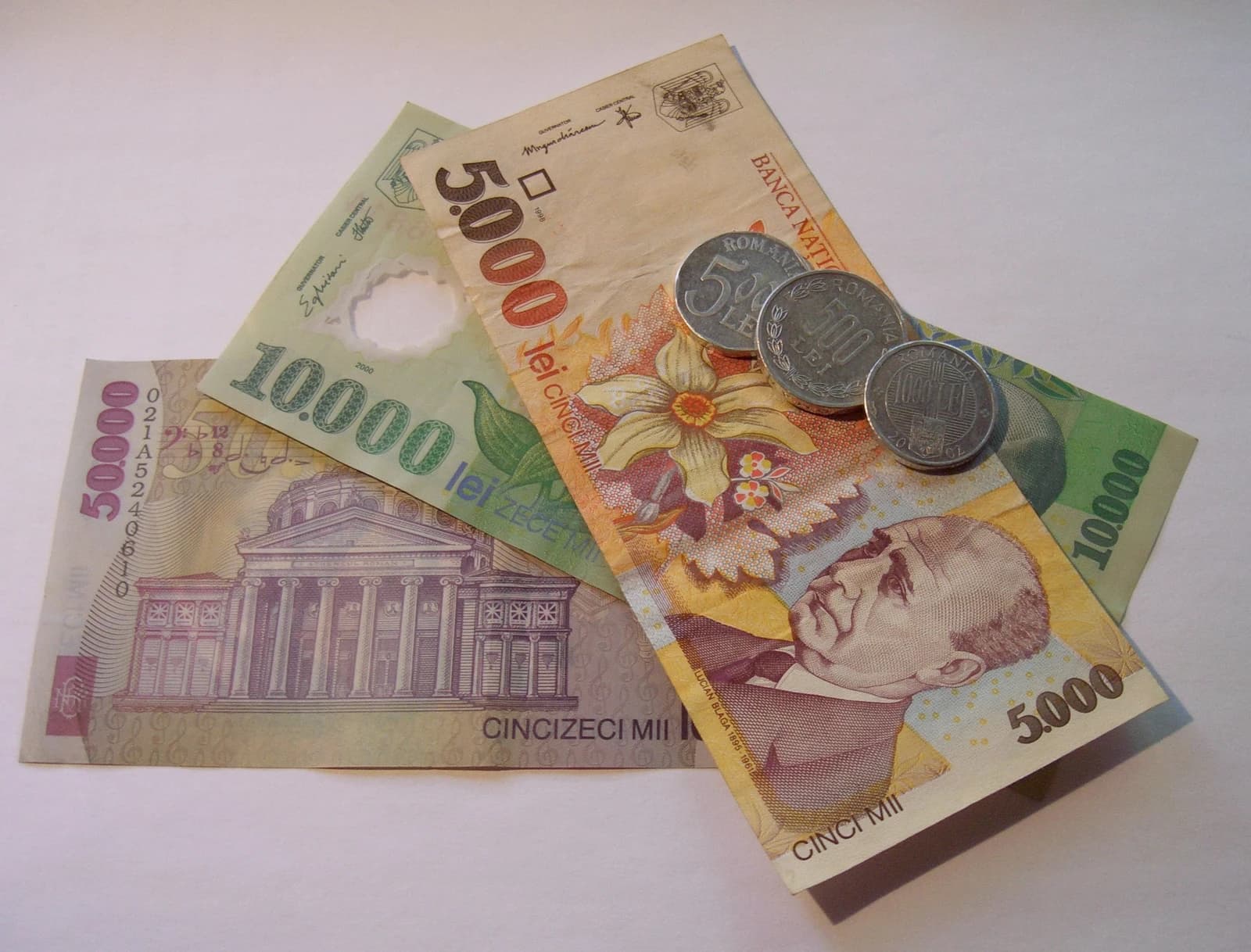
More than half a million Serbian citizens have already applied for a one-time 6,000-dinar cash payment, underscoring the government’s push to cushion households from rising living costs while putting another, if limited, strain on the public purse.
Serbia 6,000-dinar cash payment sees 500,000 applications
Finance Minister Siniša Mali said the applications have topped 500,000, while the Treasury portal has logged about 820,000 queries from people checking whether they are eligible. The pace suggests strong take-up for the support, which is aimed at households under pressure from inflation and weak real incomes.
Sentiment IndicatorsⓘProprietary · adalytica.com · September 7, 2026
This is a snapshot — live sentiment, awareness and momentum for 130+ markets update continuously in the dashboard.Open AlphaPulse
The payout is economically small on a per-person basis, but the scale of interest matters because it points to broad consumer sensitivity to cash transfers at a time when policymakers across emerging Europe are trying to balance social support with budget discipline. For Serbia, the program also offers a direct and visible way to channel fiscal aid into spending power, which can briefly support retail activity and household demand.
For investors, the key question is not the size of the payment itself but what it says about policy priorities. Heavy participation reinforces the likelihood that fiscal policy will remain active in supporting consumption, which can help near-term growth but may complicate inflation management if such measures become recurring. It also signals that households remain reliant on government relief rather than stronger wage growth or credit expansion.
The broader narrative is that Serbia is using targeted cash compensation as a political and economic stabilizer: immediate relief for citizens, a modest boost to domestic demand, and a reminder that fiscal tools remain central in managing living-cost pressures. The sustainability of that approach will depend on how long inflation stays elevated and whether the government can keep support measures from widening budget deficits.
| Entity | Gains | Losses |
|---|---|---|
| Serbian households | ▲Immediate cash relief | ▼Limited payout size |
| Government | ▲Short-term political goodwill | ▼Higher fiscal outlays |
| Retailers and consumer sectors | ▲Potential spending lift | ▼No durable demand boost |
| Public finances | ▲Managed social pressure | ▼Budget flexibility |