Serbia’s central bank moved to reassure households and investors that the dinar remains stable, Banka Poštanska štedionica is meeting its obligations and pension and budget payments will continue on schedule, underscoring official efforts to preserve confidence in the financial system during a period of economic strain.
Serbia central bank reassures on dinar and payments

The statement from the National Bank of Serbia matters because currency stability is the backbone of price stability in a highly euro-sensitive economy. When a central bank feels compelled to publicly emphasize the exchange rate, payments and a state-linked lender at the same time, the message is as much about preventing panic as it is about describing current conditions.
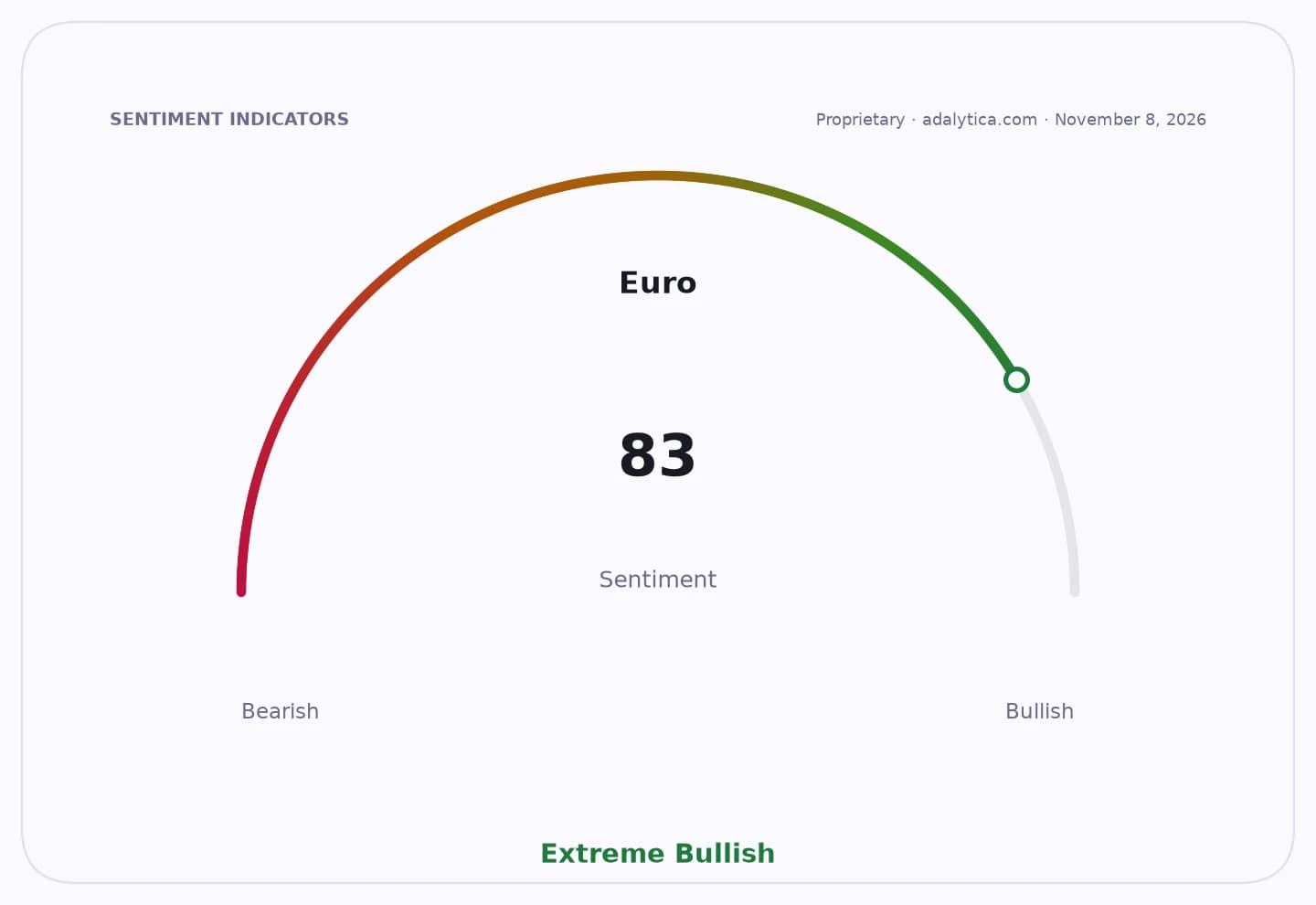
Sentiment Indicators
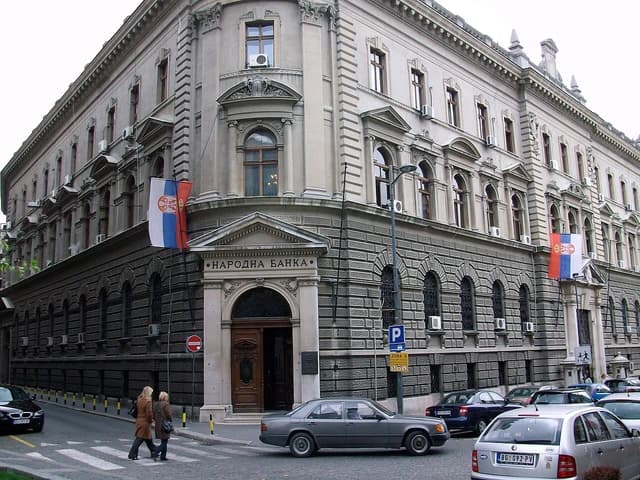
For investors, the immediate significance is that authorities are signalling no disruption to the flow of wages, pensions or deposit access, all of which are crucial to retail confidence and bank funding. Banka Poštanska štedionica, one of the country’s key savings institutions, is central to that reassurance because it serves a broad base of clients and is closely tied to everyday payments and state-linked flows.
The NBS also said it is using all available measures to keep the domestic financial system stable and efficient, including the proper functioning of payment systems and the protection of financial users. That language points to a policy priority of preserving the dinar’s managed stability rather than allowing abrupt adjustments that could raise imported inflation, unsettle balance sheets and increase stress for borrowers with foreign-currency exposure.
In market terms, a stable dinar helps anchor expectations for inflation, bank asset quality and sovereign funding conditions. It also reduces near-term pressure on domestic rates, since a sharp depreciation would likely force tighter monetary policy and weigh on growth. The flip side is that defending stability can consume policy room if external imbalances worsen or if confidence weakens further.
The broader narrative is one of authorities trying to keep Serbia’s financial system calm while dealing with a difficult macro backdrop. The central bank’s message suggests the immediate risk is not a banking failure or payment disruption, but credibility: if households or companies begin to doubt the currency peg’s durability, capital outflows and dollarization pressures could rise quickly.
For now, the NBS is betting that repeated assurances, bank cooperation and continued budget disbursements will be enough to contain those risks. Investors will be watching whether the dinar remains steady in coming weeks and whether policymakers need to intensify intervention to keep confidence intact.
| Entity | Gains | Losses |
|---|---|---|
| Serbian households | ▲Pension and payment certainty | ▼Fears of cash-flow disruption fade |
| National Bank of Serbia | ▲Credibility from reassurance | ▼More pressure to defend stability |
| Banka Poštanska štedionica | ▲Confidence in operations | ▼Scrutiny over system resilience |
| Importers and dinar debtors | ▲Stable FX and lower volatility | ▼Weakness if reserves are tested |