Belgrade prosecutors have opened a review of Mayor Aleksandar Šapić’s assets, asking for information on a property in Trieste in a case that could sharpen scrutiny of how Serbia’s top officials report wealth and real estate holdings.
Serbia Prosecutors Review Šapić Asset Declaration
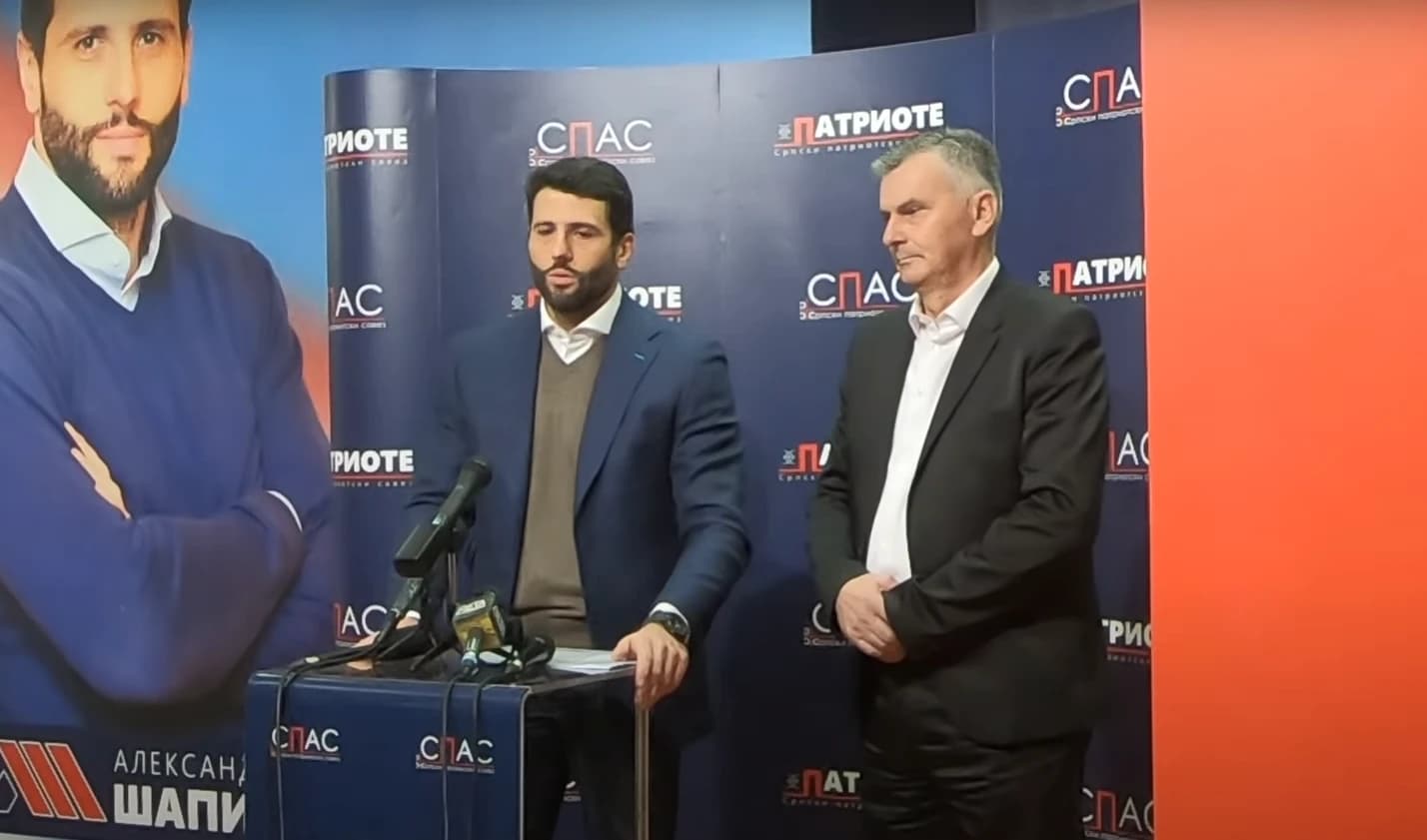
The Third Basic Public Prosecutor’s Office said it was acting on a criminal complaint filed by Serbia’s Anti-Corruption Agency over suspected irregularities in Šapić’s asset declaration. Investigators have requested additional details on the Italian property to establish ownership and whether it was properly disclosed to the relevant authorities.
Sentiment Indicators
The case matters less for the fate of one official than for what it says about enforcement. Asset-declaration rules are meant to police conflicts of interest and limit hidden wealth among public officeholders. If prosecutors move beyond a formal check and into a substantive investigation, the case could reinforce pressure on Serbian officials to tighten reporting practices and make the anti-corruption framework look more credible.
For investors, the main issue is institutional risk rather than a market-moving event. A more aggressive anti-corruption drive can improve governance and reduce policy uncertainty over time, which matters for foreign capital, municipal contracting and broader confidence in Serbia’s rule of law. But if the probe becomes politicized, it could deepen uncertainty around local administration and project execution in Belgrade, where public tenders and urban development remain sensitive to political influence.
Šapić, a high-profile municipal leader, has denied wrongdoing in previous disputes over his asset declarations. The anti-corruption agency had already carried out its own review before the file reached prosecutors, suggesting the matter has been under examination for some time rather than triggered by a one-off complaint.
The immediate focus will be whether prosecutors can establish a clear chain of ownership and disclosure around the Trieste property. For Serbia’s anti-graft system, that will be a test of whether asset checks remain administrative formalities or become a real constraint on political elites.
| Entity | Gains | Losses |
|---|---|---|
| Anti-Corruption Agency | ▲Enforcement credibility | ▼None if probe weakens |
| Prosecutors | ▲Institutional relevance | ▼Pressure to prove independence |
| Reform advocates | ▲Stronger disclosure norms | ▼Slow-moving enforcement |
| Aleksandar Šapić | ▲None | ▼Political and reputational risk |