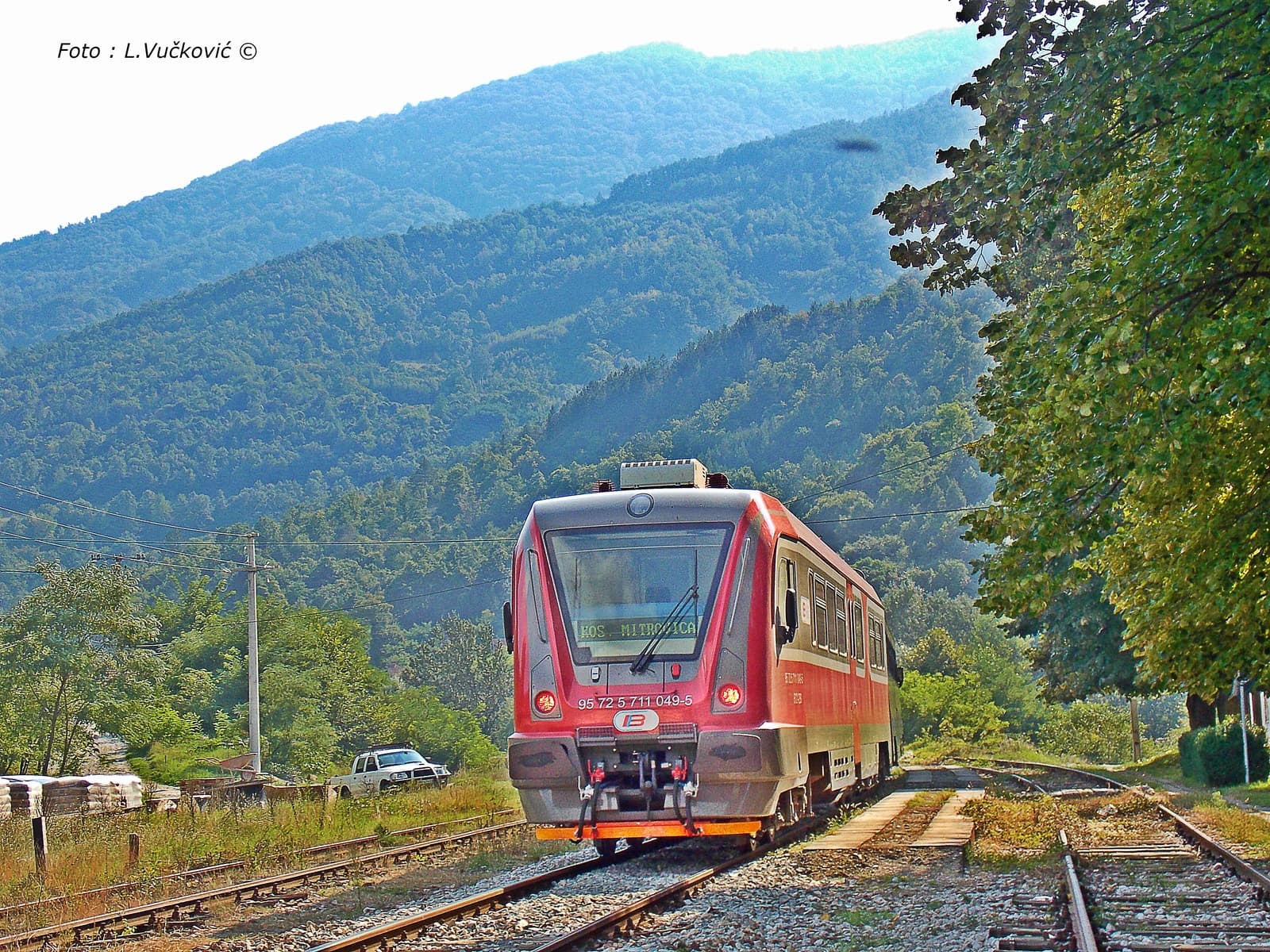
Rail fares in Serbia are rising by about 10% on average from today, a move that should help Srbijavoz protect margins but risks adding pressure to commuters and freight customers already facing higher transport costs.
Serbia Rail Fares Rise, Margins Improve
The increase matters less as a one-off price change than as a signal that rail operators are passing through inflation and operating expenses rather than absorbing them. In a system where ticket revenue is often constrained by public-service obligations and weak household purchasing power, even a modest increase can help stabilize finances. But it also raises the risk that passengers shift to buses or private cars, while shippers weigh rail against road transport if the relative pricing gap widens.
Sentiment IndicatorsⓘProprietary · adalytica.com · July 15, 2026
This is a snapshot — live sentiment, awareness and momentum for 130+ markets update continuously in the dashboard.Open AlphaPulse
For Srbijavoz, the adjustment is likely aimed at offsetting fuel, labor, maintenance and network charges at a time when transport providers across Europe are under cost pressure from aging infrastructure and disruption. In the broader regional context, rail systems have faced repeated interruptions from technical failures, maintenance work and security incidents, underscoring how fragile service reliability can be and how quickly operators’ economics can deteriorate when utilization slips.
The market relevance is more indirect but still meaningful. Higher fares can support operating revenue, which is positive for the rail operator and potentially for service investment if the extra cash is retained. The downside is political: fare hikes in regulated or state-linked transport tend to draw scrutiny if they arrive before service quality improves. If the increase is not matched by better punctuality, reliability and capacity, the elasticity of demand could eventually erode ridership and revenue.
Investors and policymakers will watch whether the higher prices translate into stronger financial performance or simply sharpen the trade-off between affordability and sustainability. If demand holds, Srbijavoz gains room to manage its cost base. If it weakens, the fare increase may prove a short-term fix that does little to solve a longer-term funding problem.
| Entity | Gains | Losses |
|---|---|---|
| Srbijavoz | ▲Higher fare revenue | ▼Higher political scrutiny |
| Commuters | ▲None | ▼Higher travel costs |
| Freight customers | ▲None | ▼Higher logistics bills |
| Road transport rivals | ▲Potential demand spillover | ▼Lost rail passengers |