SFS Real Estate Investment Trust posted a 37.3% jump in nine-month net income to N347.19 million, but the more important takeaway for investors is that the growth was flattered by a one-off property disposal gain even as operating costs more than doubled.
SFS REIT net income rises on property sale gain
The Nigerian REIT’s results matter because they show both the resilience and the fragility of listed property income in a high-rate environment. Total income rose 49.7% to N467.31 million for the period ended Sept. 30, helped by stronger rental receipts, higher interest income and a N100 million profit from the sale of an investment property. That disposal alone accounted for about a fifth of total income and helped push earnings per unit up 37.3% to N17.36.
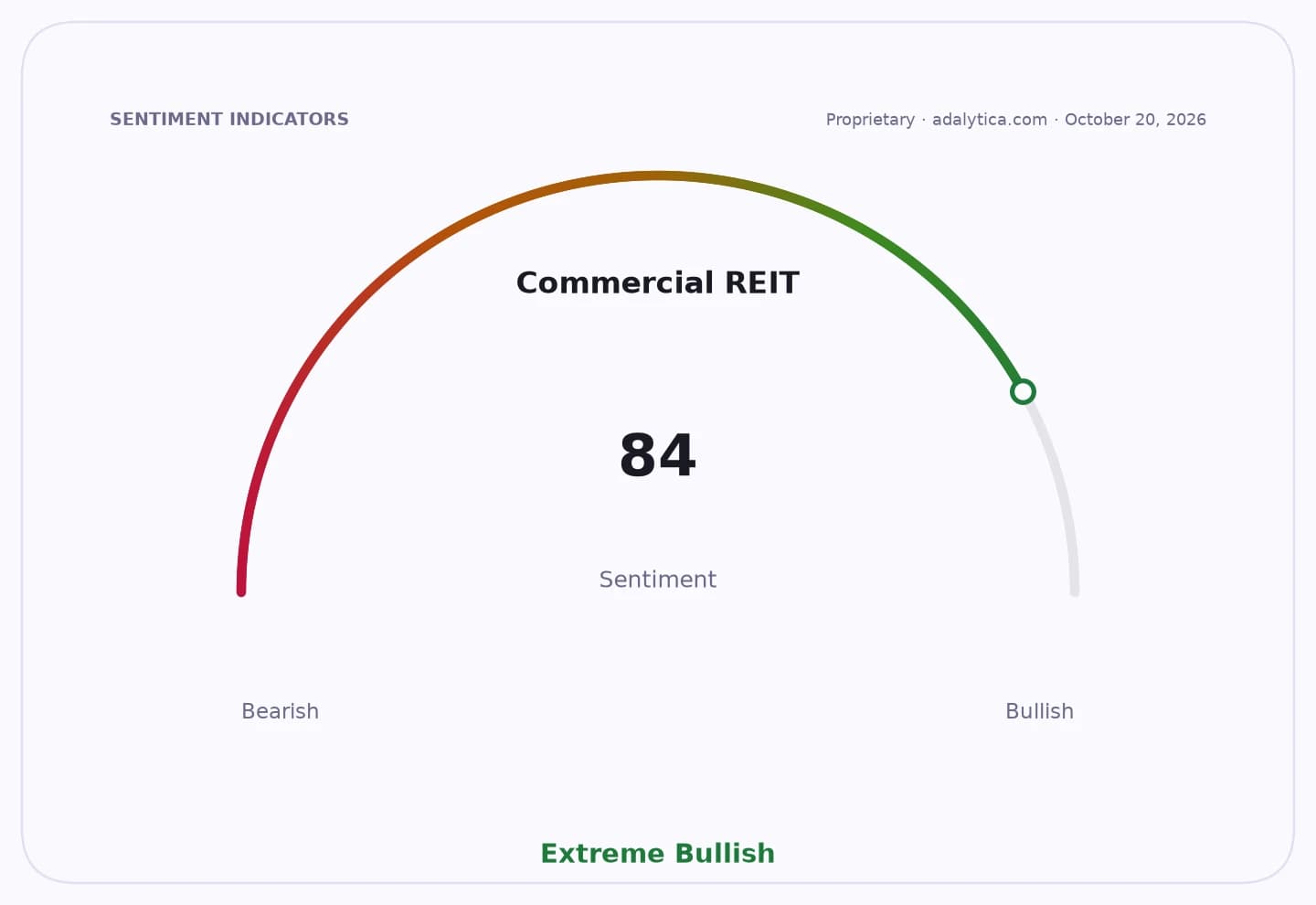
Sentiment IndicatorsⓘProprietary · adalytica.com · October 22, 2026
This is a snapshot — live sentiment, awareness and momentum for 130+ markets update continuously in the dashboard.Open AlphaPulse
On a core basis, the trust also delivered improvement. Rental income increased 15% to N185.25 million, while fixed interest income rose 20.5% to N182.06 million, reflecting a portfolio that is still generating cash from both property operations and financial assets. But the earnings mix is shifting in a way that investors should watch closely: compared with the prior year, the contribution from asset disposal became material, suggesting that headline profit growth is less repeatable than it first appears.
The other side of the ledger was less encouraging. Administrative and other expenses climbed to N120.12 million from N59.29 million, driven mainly by a surge in fund manager’s fees to N71.14 million from N30.18 million. That cost inflation is significant because REIT investors buy these vehicles for stable distributable income, and higher management charges can erode that appeal unless they are matched by sustained asset growth or rental escalation.
The market backdrop also matters. Nigerian and other emerging-market REITs are operating in an environment where interest rates and financing costs remain central to valuations, and property vehicles are under pressure to prove they can deliver returns above cash and fixed income. SFS REIT’s results suggest it is still able to generate income, but the dependence on property-sale gains and the sharp rise in overheads could limit how much of that growth translates into recurring distributions.
For investors, the key question is whether this is a durable earnings step-up or a temporary boost from asset recycling. If rental income continues to expand and costs stabilize, the trust could support a stronger payout profile. If not, the trust may struggle to convert its higher headline income into a consistently higher cash yield, especially if rate conditions keep competition from fixed-income assets intense.
| Entity | Gains | Losses |
|---|---|---|
| SFS REIT | ▲Higher net income and EPS | ▼More dependence on one-off gains |
| Unit holders | ▲Near-term earnings uplift | ▼Lower visibility on recurring distributions |
| Fund manager | ▲Higher fee income | ▼Investor scrutiny over costs |
| Fixed-income alternatives | ▲Attract yield-seeking capital | ▼Lose some income-searching investors |