KIP Real Estate Investment Trust reported a 19.6% jump in first-quarter revenue, underscoring how acquisitions and stronger leasing at its malls and industrial assets are expanding recurring income in a higher-rate environment.
KIP REIT revenue rises 19.6% in Q1
Revenue rose to RM48.8 million in the quarter ended Sept. 3 from RM40.8 million a year earlier, while net property income increased 17.6% to RM35 million. Profit after tax was broadly unchanged at RM17.3 million, showing that top-line growth is still filtering through to the bottom line, though not yet at the same pace as revenue.
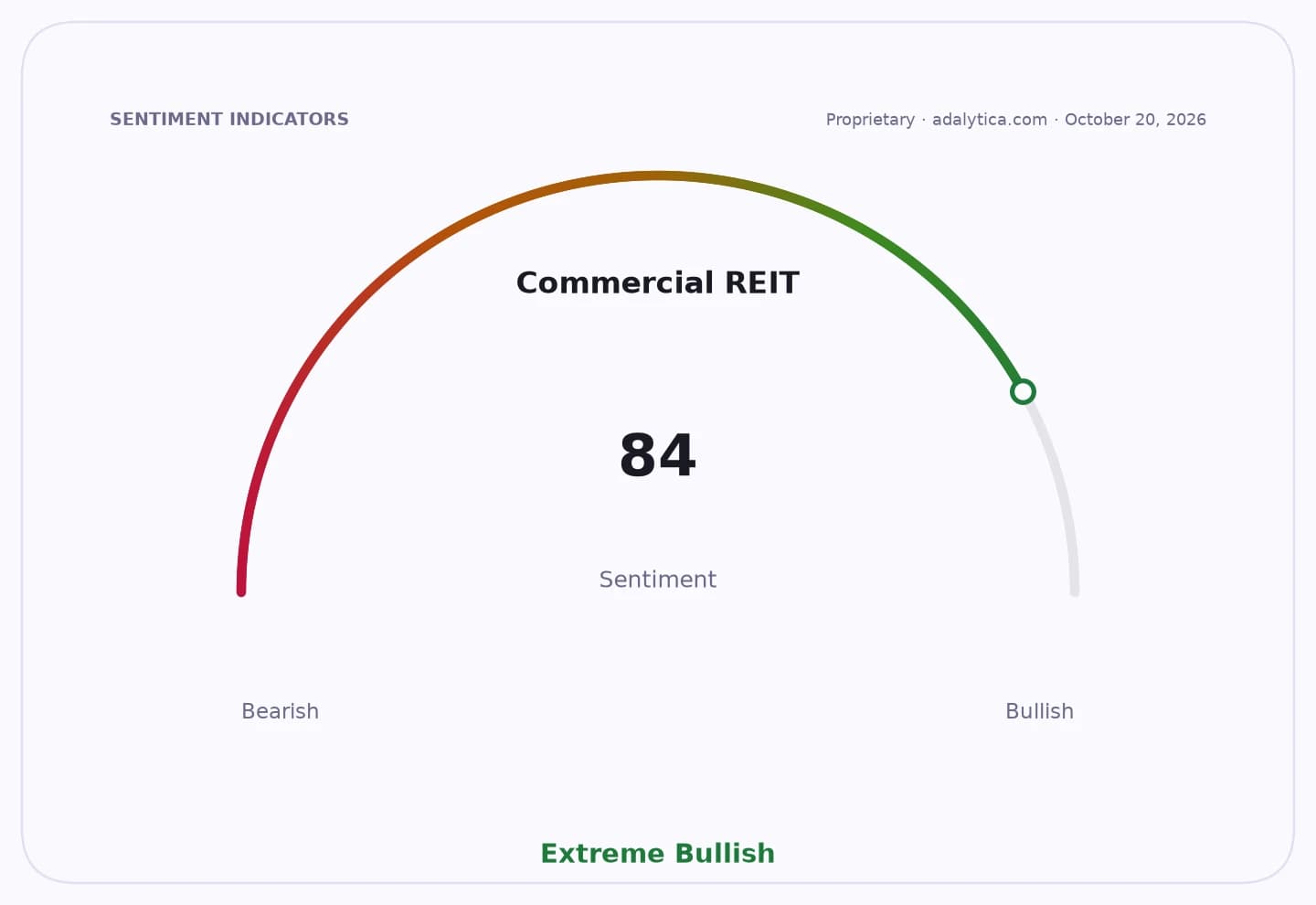
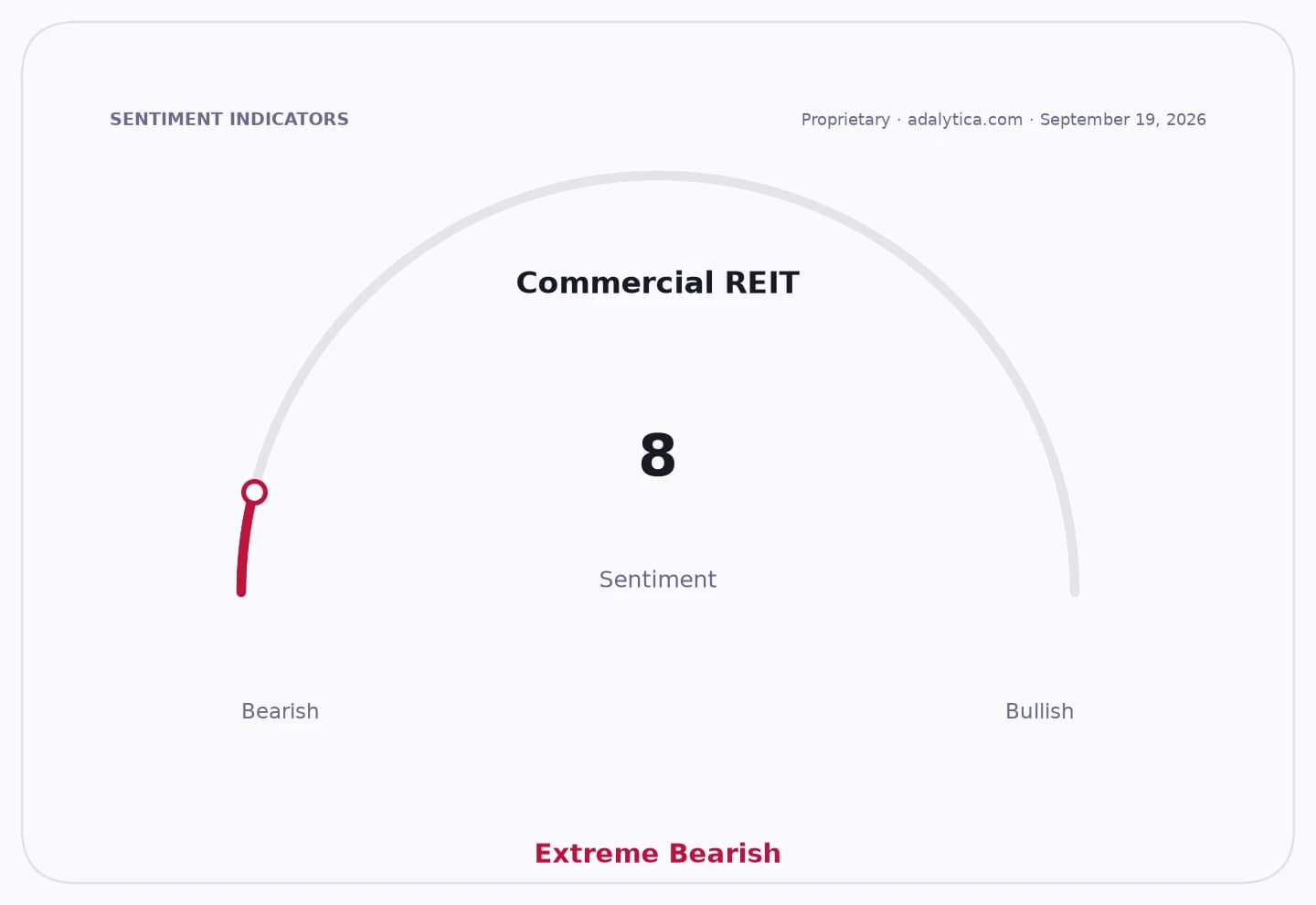
Sentiment IndicatorsⓘProprietary · adalytica.com · October 23, 2026
This is a snapshot — live sentiment, awareness and momentum for 130+ markets update continuously in the dashboard.Open AlphaPulse
The result matters because REIT investors are watching whether external growth can offset a backdrop of elevated funding costs and softer consumer and industrial demand in parts of the market. For KIP REIT, the numbers suggest its strategy of enlarging the asset base is working: management said contributions from recently acquired properties and stronger performance across KIPMalls drove the quarter.
Retail remained the backbone of the trust, generating 93.3% of total revenue, with that segment up 17.5% to RM45.5 million. Industrial assets, while still small, delivered the fastest growth, with revenue and NPI both rising 59.8% to RM3.3 million, highlighting the mix shift KIP is trying to build alongside its mall portfolio.
Geographically, growth was broad-based. The Central region contributed RM23.1 million in revenue, up 15.3%, while the Northern region posted the steepest gain at 33.9% to RM6.6 million. The East Coast business, though still modest, improved sharply from just RM0.1 million a year earlier, suggesting the portfolio is becoming more diversified.
KIP REIT also paid an advance distribution of 0.82 sen per unit and said it intends to distribute at least 90% of distributable income for the year ending June 30, 2027. That guidance will be important for unitholders because REIT valuations tend to track the durability of cash payouts more than accounting earnings.
Chief executive Valerie Ong said assets under management had risen to about RM2.2 billion, and pointed to KIPMall Setapak, which is expected to contribute its first full quarter of income in the second quarter after its Sept. 30 acquisition. That should provide a clearer read on whether the trust can keep growing distributions without relying on one-off gains.
For investors, the key question is whether KIP can sustain this pace as it pushes occupancy, tenant mix and asset enhancements while keeping leverage and financing costs under control. The near-term bull case is that acquisitions continue to lift income and the industrial segment scales faster; the bear case is that margin gains could be constrained if higher borrowing costs or weaker retail conditions start to weigh on distributable income.
| Entity | Gains | Losses |
|---|---|---|
| KIP REIT unitholders | ▲Higher income distribution prospects | ▼Exposure to funding-cost pressure |
| KIP REIT management | ▲Proof of acquisition strategy | ▼Pressure to keep growth consistent |
| Retail tenants at KIPMalls | ▲Portfolio expansion and footfall support | ▼Higher leasing discipline |
| Competing REITs with slower growth | ▲Relative comparison disadvantage | ▼Investor attention shifts to KIP |