Shanghai’s economy expanded 5.6% in the first half, outpacing expectations and underscoring that China’s commercial capital is still growing faster than the national economy, even as gains remain uneven across households, property and private-sector activity.
Shanghai Growth Signals Uneven China Recovery
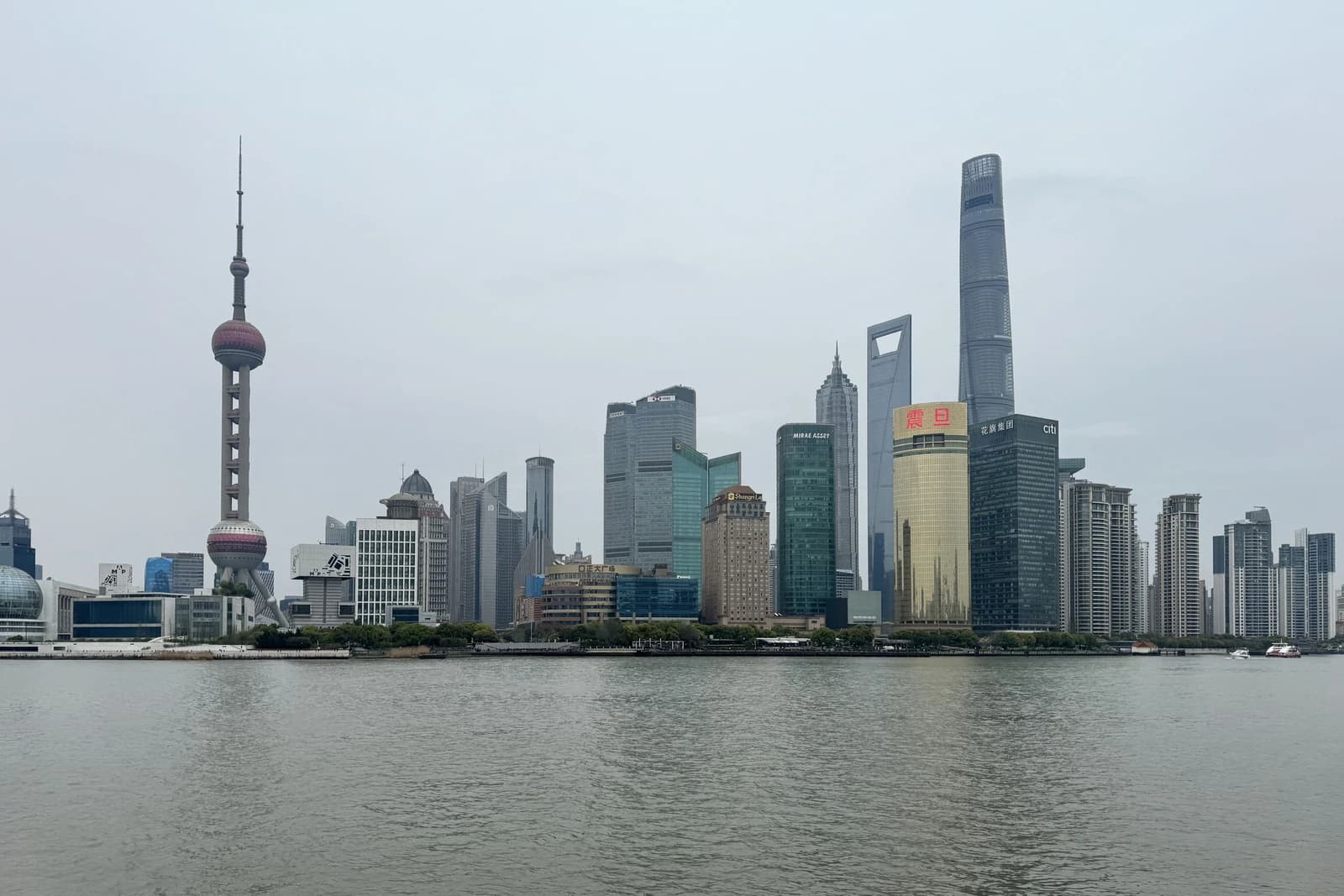
That matters because Shanghai’s numbers offer one of the clearest reads on whether China’s policy support is feeding through to the real economy. The city’s outperformance suggests stimulus, infrastructure spending and trade-linked services are still cushioning growth. But the persistence of a two-speed recovery also shows how fragile demand remains beneath the headline figure: some sectors are holding up, while consumer spending, housing and business confidence lag.
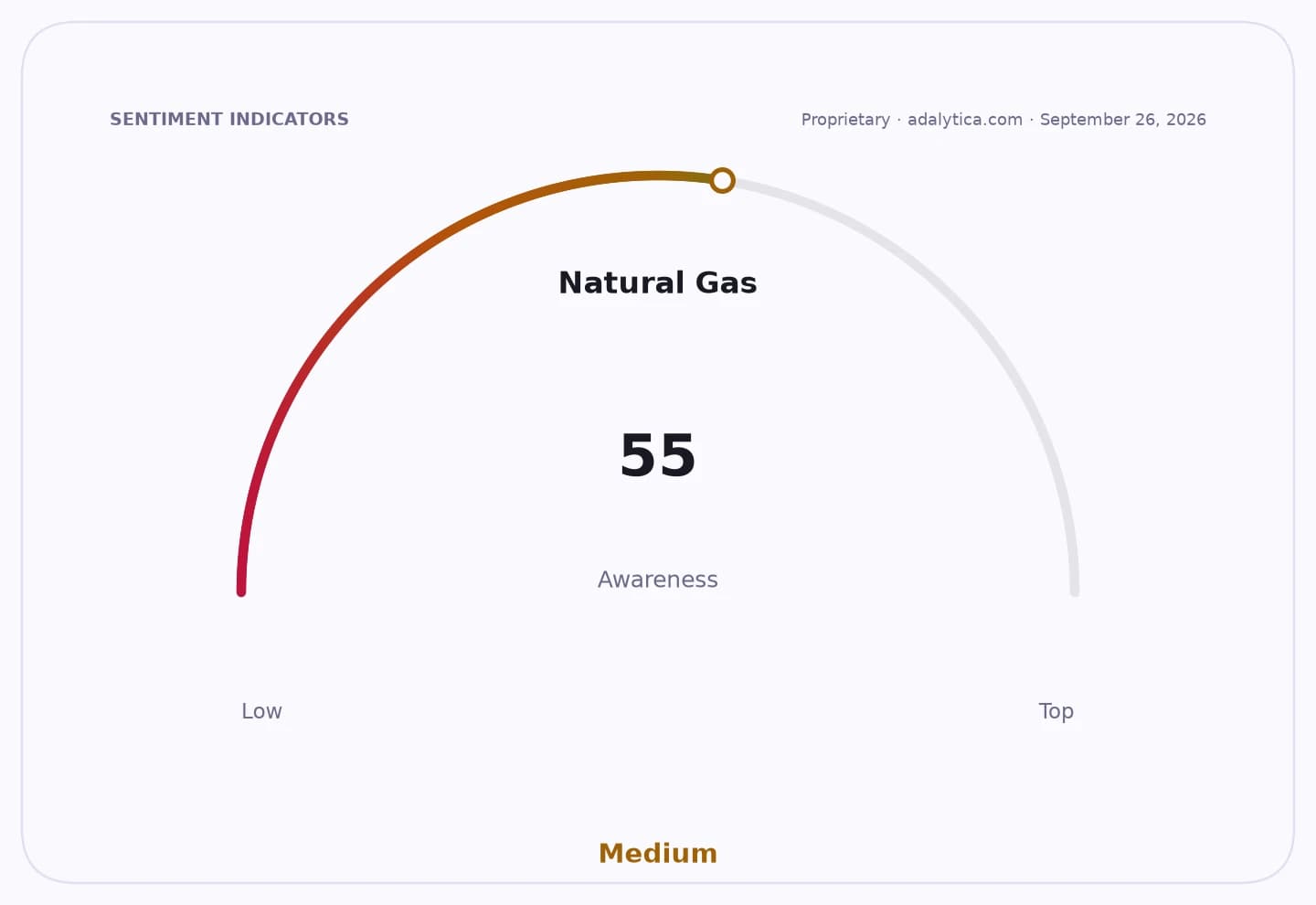
Sentiment IndicatorsⓘProprietary · adalytica.com · July 21, 2026
This is a snapshot — live sentiment, awareness and momentum for 130+ markets update continuously in the dashboard.Open AlphaPulse

The contrast with China’s broader economy is important for investors. National GDP growth slowed to 4.3% in the second quarter, below both government targets and market expectations, as the property slump continued and retail demand weakened. Shanghai’s better showing does not erase that softness; it instead highlights how localized China’s recovery has become, with major coastal hubs benefiting from exports, finance and policy backing while other areas remain under strain.
For markets, that split supports a selective rather than broad-brush view on Chinese assets. Hong Kong-listed China shares and mainland A-shares have both struggled to build a durable trend, even after periodic rallies, because investors continue to question whether growth can broaden beyond state-led investment and a handful of resilient industries. Exchange-traded funds tracking Chinese equities have also swung with those doubts, reflecting enthusiasm for policy support one week and skepticism about earnings quality the next.
The macro backdrop is still complicated by a stubborn property downturn, cautious consumers and weak pricing power. Lower inflation expectations for 2026 point to the same issue: China is not overheating, but operating below the kind of demand momentum that would generate self-sustaining private investment. That leaves policymakers with a trade-off. More support can stabilize activity, but too little risks another leg down in confidence; too much risks adding to debt without fixing the underlying demand gap.
Shanghai’s better-than-expected growth therefore reads less like a clean victory and more like evidence that China can still engineer pockets of resilience. Investors will now watch whether that resilience spreads into consumption, private capex and real estate stabilization, or whether the city’s strength remains an exception in an economy still searching for a balanced recovery.
| Entity | Gains | Losses |
|---|---|---|
| Shanghai exporters and service firms | ▲Better activity and orders | ▼Less broad domestic demand boost |
| China policymakers | ▲Evidence stimulus is working | ▼Pressure remains for more support |
| Chinese equities | ▲Selective rebound potential | ▼Lack of a broad earnings recovery |
| Consumers and property sectors | ▲Limited near-term benefit | ▼Continued weakness in spending and housing |