Young workers in Sibiu are increasingly trying to land jobs with the same employer, or at least the same shift, as rising housing and daily living costs push couples to treat synchronized work schedules as a household savings strategy.
Sibiu employers hire couples for same-shift jobs

That shift matters because it is no longer just about convenience. For many families at the start of their careers, working in the same industrial area, on the same timetable, can trim transport, food and other logistics costs by hundreds of lei a month, helping free up cash for rent, loan payments or a down payment on a home.
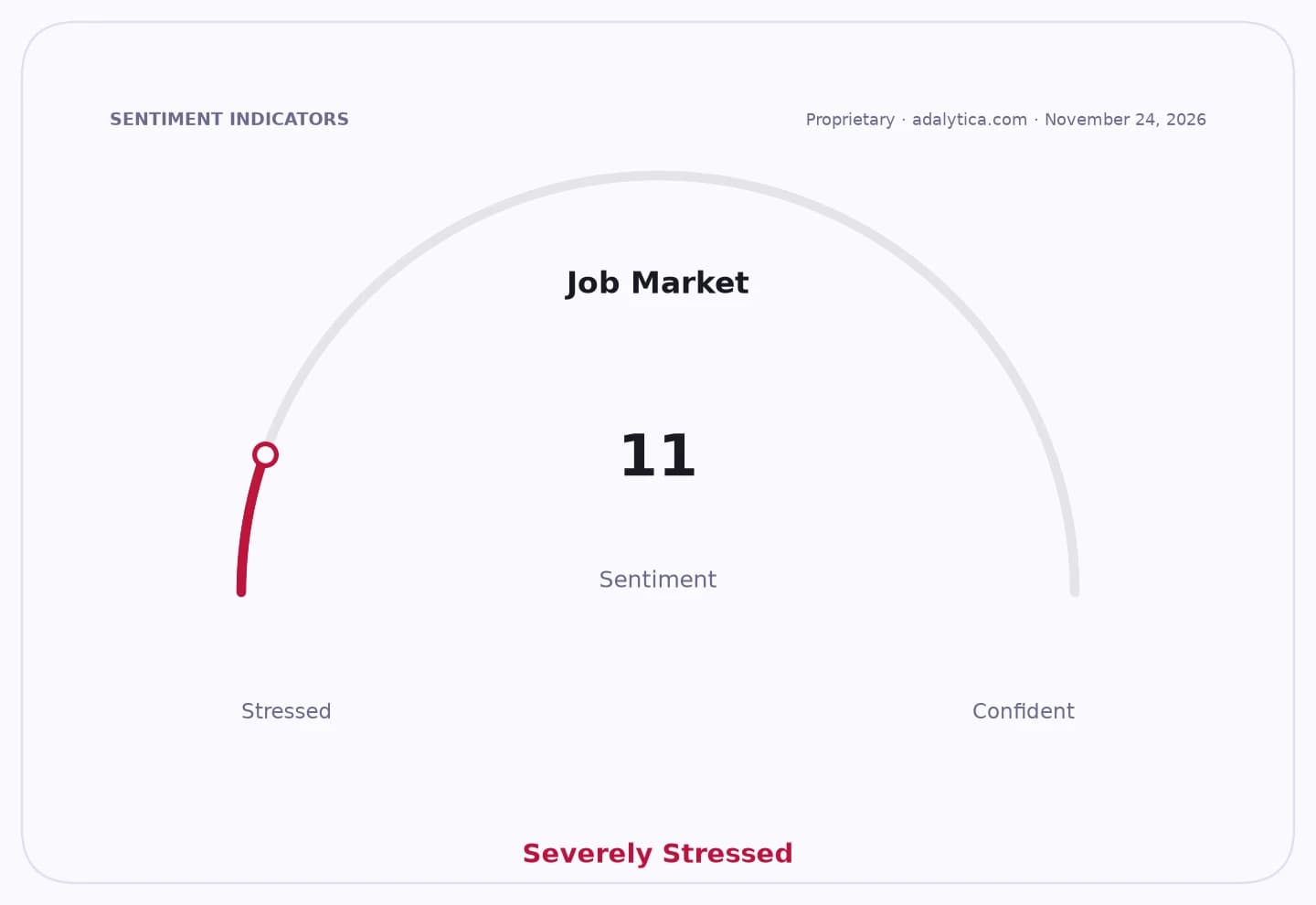
Sentiment Indicators
The clearest demand is coming from manufacturing, logistics and retail, according to job listings aggregated on Jooble. Employers in Sibiu’s west industrial zone, the Șelimbăr warehouse belt and city shopping centers are among those most open to hiring two partners at once, with hotels and guesthouses in the Mărginimea Sibiului also recruiting couples to cover reception, kitchen and administration roles.
The economic logic is straightforward. Two separate commutes often mean two cars to maintain, two fuel bills, separate transit passes and more spending on takeout or delivery when shift patterns do not align. A shared commute or employer-provided transport can remove a layer of costs that weighs heavily on net pay, especially in a city where many young households are juggling rising rents and bank instalments.
For employers, the appeal is not just filling vacancies faster. Human resources teams say couples who work together tend to stay longer and miss fewer shifts, which lowers turnover in industries already struggling with recruitment and retention. That is why some firms now offer referral bonuses for relatives and actively signal that they can place two candidates on compatible schedules from day one.
Sibiu’s factories, especially those making auto components and industrial equipment, are well suited to that model because production lines can absorb workers in pairs without disrupting shift structures. Logistics operators and retailers benefit too, since warehouse, handling and sales roles are easier to split across a family team than more specialized positions.
The trend also reflects a broader tightening of household budgets and a labor market in which flexibility is becoming part of the compensation package. For younger workers, the value of transport, meal vouchers and a predictable shift can rival a small wage premium, particularly when the aim is financial stability rather than simply higher nominal pay.
Job aggregators such as Jooble make that search more efficient by allowing candidates to filter for location, industry and extrasalary benefits such as free transport, maximum-value meal tickets or attendance bonuses. In practice, that means couples can compare offers not only on pay, but on whether the job structure actually lowers monthly spending.
If the pattern persists, it will likely reinforce a labor market split between employers able to offer synchronized schedules and those that cannot. The winners are firms with enough hiring volume and operational flexibility to accommodate two jobseekers at once; the losers are employers stuck with rigid shifts and higher churn in a city where living costs make convenience an economic necessity.
| Entity | Gains | Losses |
|---|---|---|
| Young couples in Sibiu | ▲Lower monthly expenses | ▼Less schedule flexibility |
| Employers offering same-shift jobs | ▲Better retention | ▼Higher hiring complexity |
| Manufacturing, logistics, retail | ▲Easier pair hiring | ▼Rigid employers |
| Households with high transport costs | ▲More savings room | ▼Extra commuting spending |