Silver has slipped back below $50 an ounce, and that matters because the metal is now being squeezed from both sides: higher-for-longer U.S. interest-rate expectations and a less convincing industrial-demand story. For investors, that combination has taken some of the shine off one of 2026’s hottest trades and raised the risk that silver’s rally needs a deeper reset before it can build a more durable base.
Silver Falls Below $50 on Rate and Demand Concerns
Spot silver ended the week at $49.1277 an ounce, down 8.89% from the previous week and 31.76% lower than at the start of the year. December COMEX silver settled at $49.276 an ounce, while Shanghai silver also lost ground. That broad retreat is the latest reminder that silver is not just a precious metal hedge; it is also a cyclical industrial commodity, and when both monetary policy and manufacturing expectations turn less supportive, the price can fall quickly.
Sentiment Indicators
The macro backdrop is doing most of the damage. The Federal Reserve left rates unchanged in the 3.75%-4.00% range at its Oct. 28 meeting, while September’s personal consumption expenditures data showed inflation still running hot, with the headline PCE index up 3.6% year over year and core PCE up 3.1%. That keeps real yields elevated and makes a non-yielding asset like silver less attractive. In plain English, investors can earn more by holding cash-like or bond instruments, so the opportunity cost of owning silver rises.
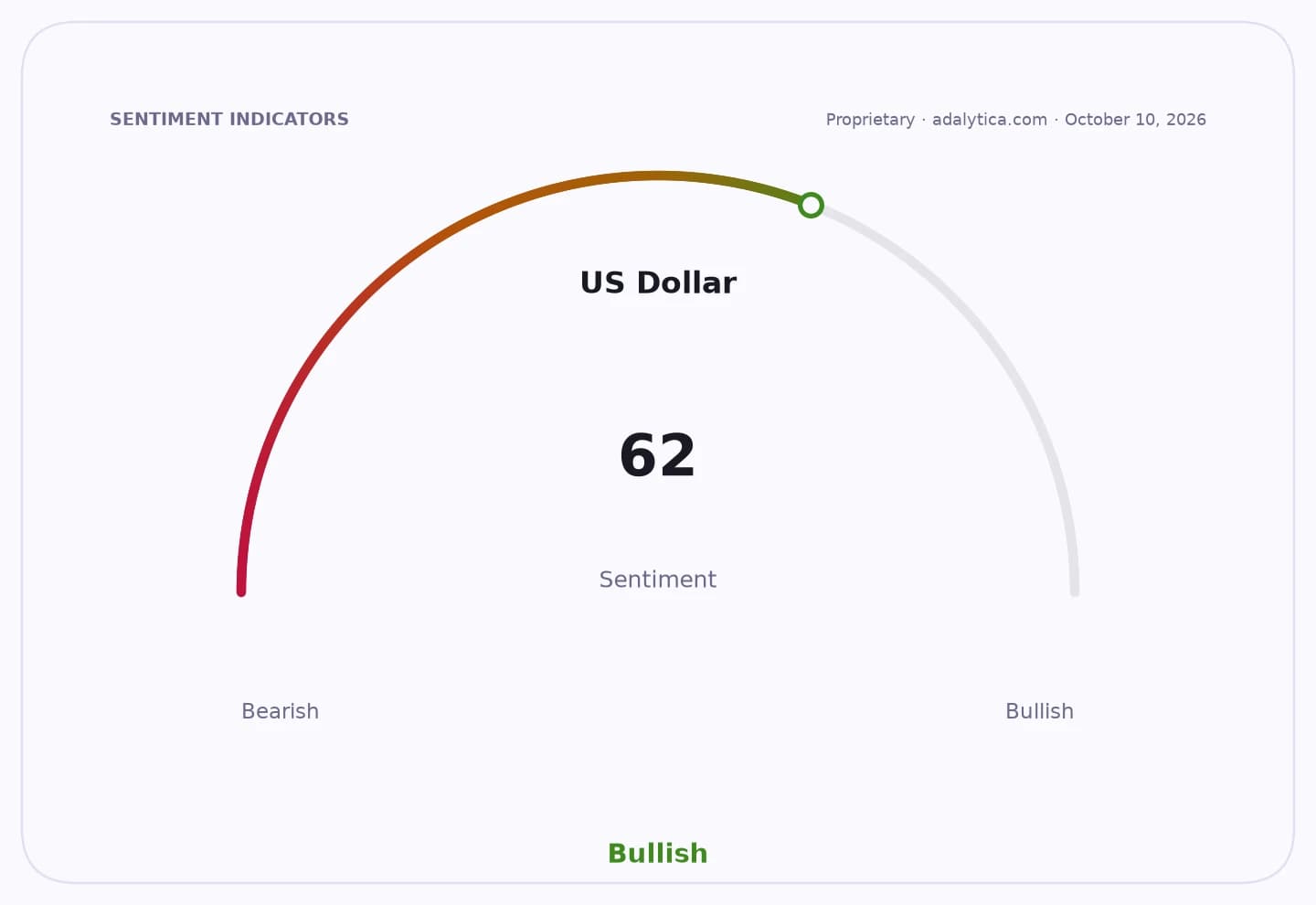
The market is also waiting for fresh U.S. labor data, including the October nonfarm payrolls report and a cluster of purchasing managers’ indexes, JOLTS openings and ADP private payrolls. Stronger numbers would likely reinforce the idea that the Fed can keep policy tight into year-end, supporting the dollar and Treasury yields — both headwinds for silver. Adalytica’s U.S. dollar trade signals show sentiment at 5, labeled “Extreme Fear,” even as awareness remains elevated, a sign that currency traders are still fixated on the next macro catalyst.
Industrial demand is the other weak link. Silver benefits from jewelry and investment demand, but it also relies heavily on fabrication demand in solar panels and other manufacturing uses. That matters for long-term investors because silver’s bull case depends on both monetary support and real-economy consumption. When growth expectations wobble, silver loses one of the key pillars that usually helps it outperform gold.
The price action reflects that unease. The metal has already broken below the psychologically important $50 level, and technical indicators for silver-linked funds point to continued strain. The iShares Silver Trust, SLV, recently traded below both its 50-day and 200-day moving averages, with its RSI in oversold territory and MACD still negative. That does not guarantee a rebound, but it does suggest the market has moved from momentum chasing to capitulation risk.
For long-term investors, the bigger lesson is that silver is a volatile asset, not a straight-line compounder. If you own it, think in terms of position sizing and patience rather than trying to call every swing. If you are building wealth over years, broad diversification across equities, bonds and real assets usually matters more than betting heavily on one metal. Silver may still have a role as a cyclical and inflation-sensitive holding, but after this pullback, it looks more like a watchlist name than a must-buy for investors waiting for clearer support from rates, the dollar and industrial demand.
| Entity | Gains | Losses |
|---|---|---|
| Jewelry buyers | ▲Lower input costs | ▼None in the short term |
| Short-term silver bulls | ▲Opportunity to re-enter lower | ▼Momentum and breakout traders |
| Fed hawks / higher rates | ▲Stronger policy credibility | ▼Silver and other non-yielding assets |
| Industrial users | ▲Cheaper raw material | ▼Silver miners and holders of the metal |