A steep reversal in silver prices has left buyers who entered at this year’s January peak nursing heavy losses just as India heads into Dhanteras, underscoring how timing now matters as much as the metal itself.
Silver falls 52% from January peak in India
MCX silver climbed to about ₹3,79,983 a kg on Jan. 29 and was trading near ₹1,81,450 on Nov. 2, a drop of roughly 52%. On that basis, ₹1 lakh invested at the peak would now be worth about ₹47,750 before charges and taxes. But the picture is less straightforward for retail buyers: silver 999 was quoted near ₹1,82,230 on Nov. 2 versus ₹1,48,860 a year earlier, still leaving the metal up about 22% on a 12-month view.
Sentiment Indicators
The gap matters because it shows how different entry points can produce radically different outcomes in a market that has become highly sensitive to macro rates, the dollar and festival demand. Silver pays no yield, so elevated US rates have weighed on it, while a stronger dollar and higher Treasury yields have made the metal harder to own. The US 10-year yield stood at 4.93% on Oct. 30, and the Federal Reserve had kept rates at 3.75%-4.00% in late October, even as two officials argued for another hike.
That backdrop has hit silver harder than gold because the metal is smaller, more leveraged and more exposed to industrial demand. When growth expectations wobble, silver tends to amplify the move. Analysts also point to fast liquidation of leveraged positions during the slide, which helped turn a correction into a rout. By late October, one ounce of gold bought about 79 ounces of silver, compared with around 46 at January’s peak, a sign of how sharply silver had cheapened relative to gold.
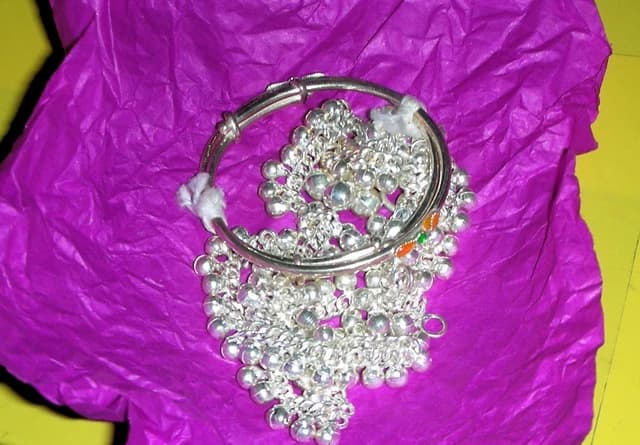
For Indian households preparing Dhanteras purchases, the practical lesson is that quoted prices are only part of the bill. Futures, bullion and retail rates often differ, and final invoices can include taxes, making charges and dealer margins. Some reports on Nov. 2 showed silver near ₹1.82 lakh a kg, while city rate lists were closer to ₹2 lakh, highlighting the spread between market quotes and what consumers actually pay.
The volatile backdrop has also fed a rush of advance bookings and festival offers from jewellers as consumers try to lock in metal before prices move again. That can support near-term demand, but it also raises the risk of buyers chasing a rebound after a sharp fall. The latest swings in silver and gold suggest the festival season is being shaped less by a straight-line rally and more by rapid repricing around macro expectations.
For investors, the key question is whether silver’s decline is mostly a rates-driven reset or the start of a deeper unwind. Bulls can point to ongoing industrial use and the possibility of lower rates later, which would improve the case for non-yielding metals. Bears will argue that a firm dollar, sticky yields and uneven growth still leave silver vulnerable to further volatility. For consumers, the safest approach is to compare purity, weight, all-in cost and buyback terms — and to buy for a clear reason rather than because the metal looks cheap against its January peak.
| Entity | Gains | Losses |
|---|---|---|
| Dhanteras buyers | ▲Lower entry points | ▼Timing risk |
| Jewellers | ▲Festival footfall | ▼Margin pressure |
| Silver bulls | ▲Cheapened relative valuation | ▼Volatility and rate headwinds |
| Leveraged traders | ▲Short-term rebounds | ▼Forced liquidations |