Silver is pulling back after a sharp run-up, and that matters because the metal’s next move will likely be driven less by jewelry demand and more by the U.S. dollar, Treasury yields and what the Federal Reserve does next.
Silver pulls back as dollar and Fed loom
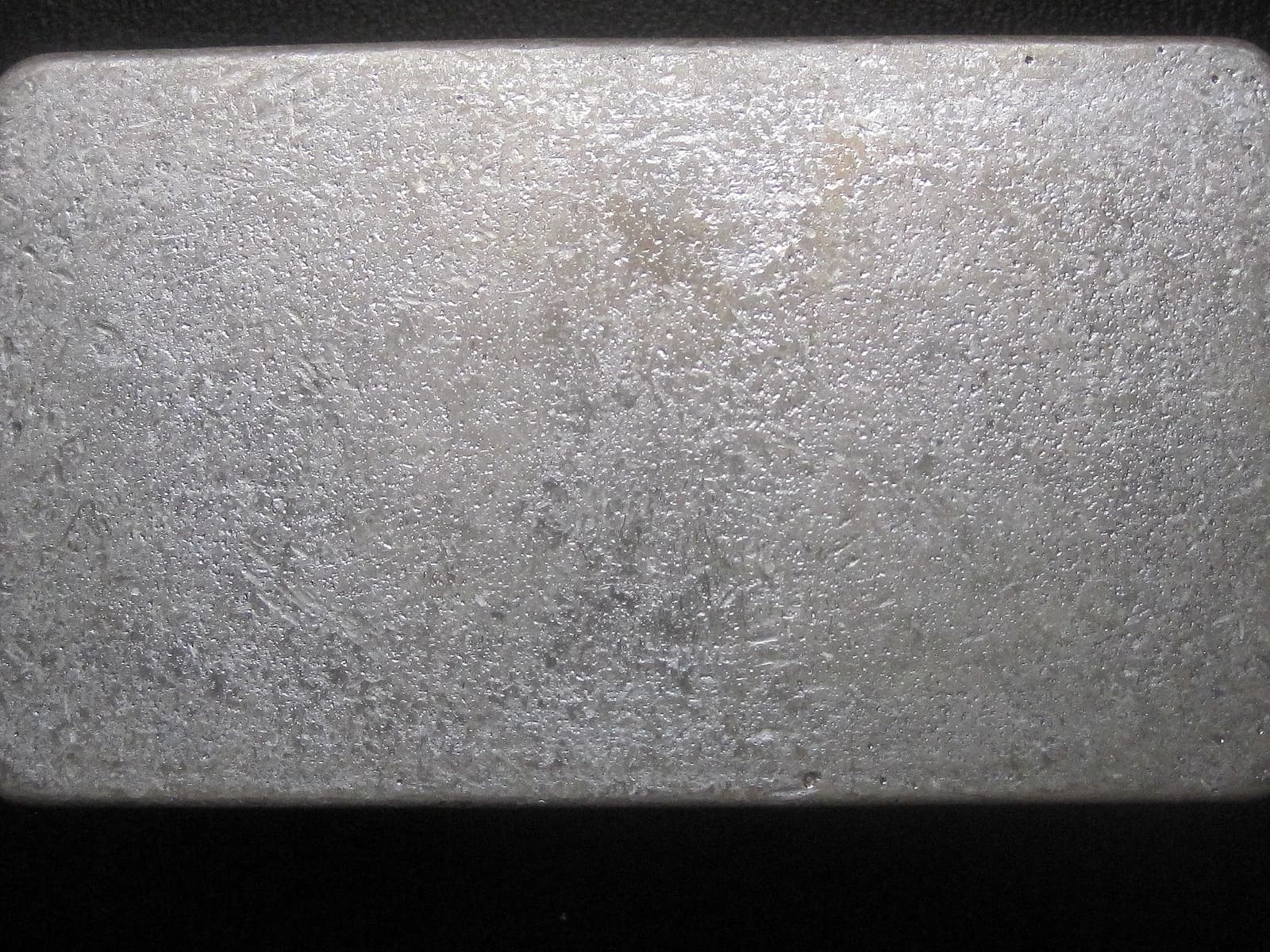
On Nov. 7, global silver eased to $51.76 an ounce, down 54 cents from the previous reading, after briefly dipping to about $51.25 before rebounding above $52 earlier in Asian trading. The metal had recently come close to $53, a one-week high, but buying was not strong enough to keep the rally going, and profit-taking set in.
Sentiment Indicators
That matters economically because silver sits at the intersection of monetary policy and industrial demand. When the dollar weakens and yields fall, non-interest-bearing assets like silver tend to look more attractive. When yields rise or the dollar strengthens, the metal usually loses momentum. Right now, investors are caught between those forces as political deadlock in Washington and softer-dollar expectations offer support, while a still-resilient U.S. labor market could keep the Fed cautious.
For investors, this is not just a short-term price squiggle. Silver’s recent volatility is a reminder that the bull case still depends on macro conditions staying friendly. The market is waiting on the U.S. nonfarm payrolls report, a release that could shape expectations for interest rates. Strong jobs data would argue for higher-for-longer policy, which could lift the dollar and pressure silver. A weaker report would do the opposite, giving precious metals room to breathe.
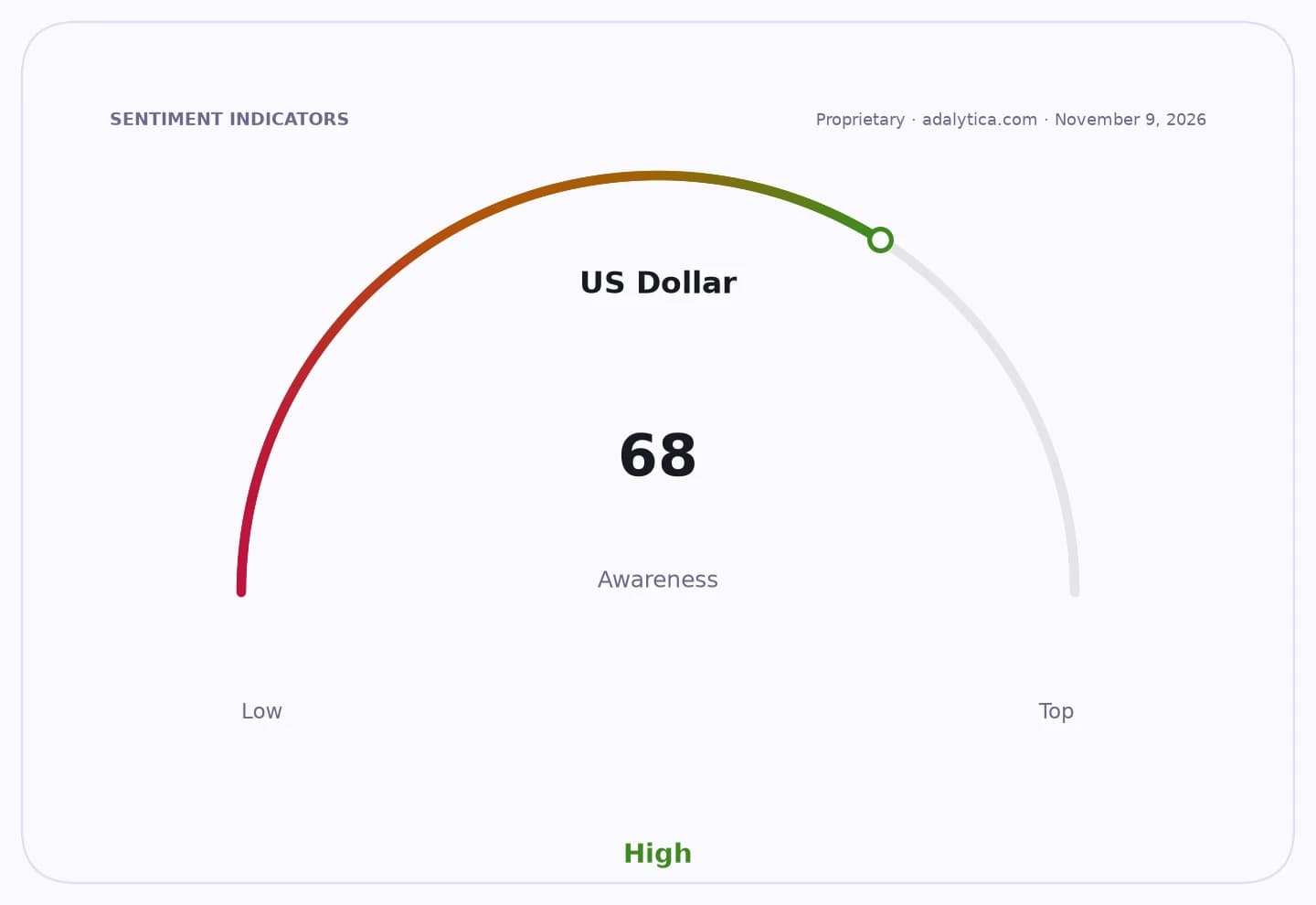
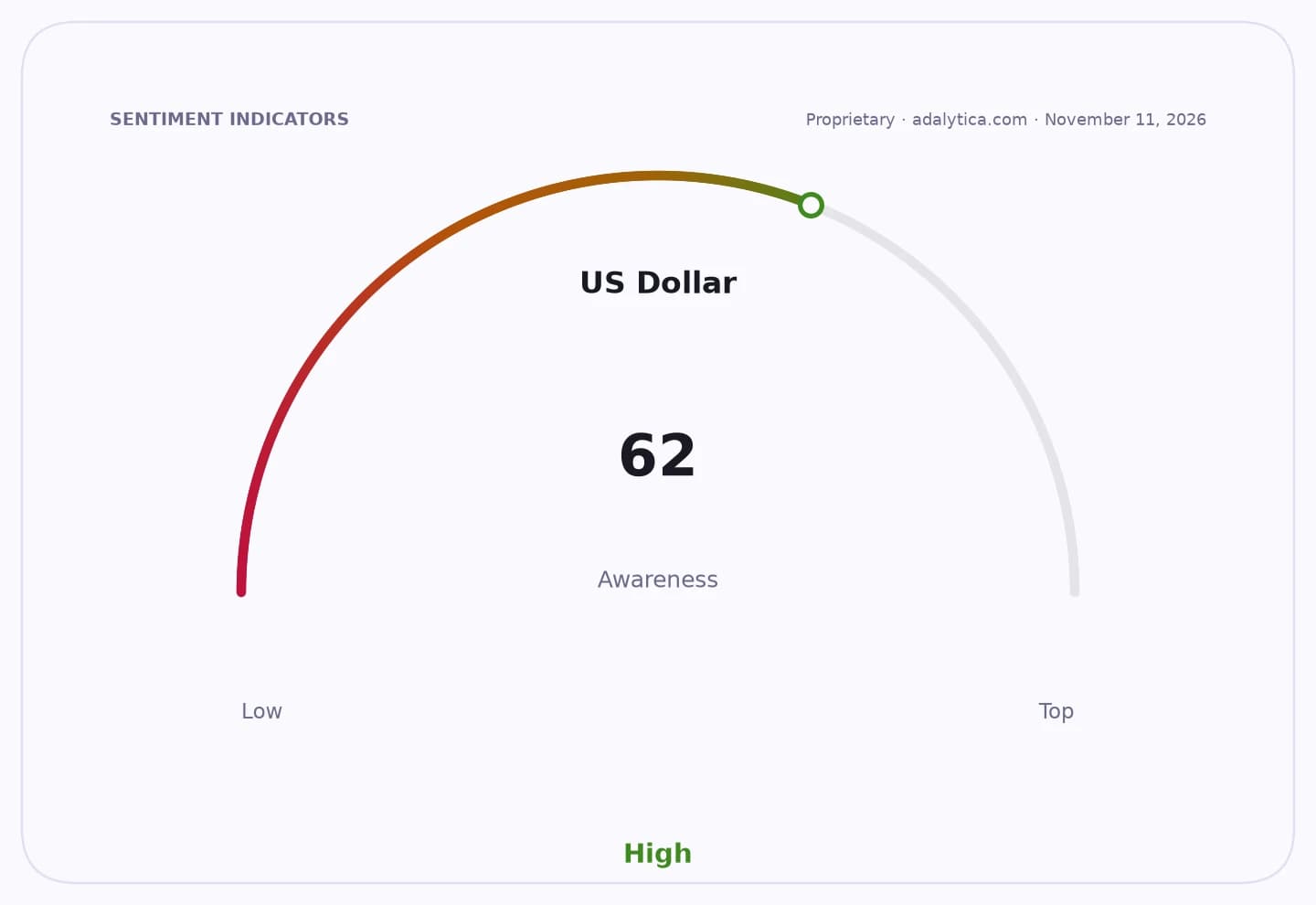
US Dollar
That tug of war is also showing up in related assets. Gold sentiment, tracked by Adalytica.com’s Gold Fear & Greed Index, has cooled to a neutral 61 from 85 two days earlier, while U.S. dollar trade signals remain in extreme greed territory at 94, underscoring how powerful the dollar backdrop still is. In silver-related exchange-traded funds, the move has been less forgiving: SLV closed at $45.12 on Nov. 12 after trading above $46 earlier in the week, while SIL slipped to $74.63. Both remain well below their recent moving averages, a sign that the rally has lost some technical momentum even after months of dramatic swings.
In local markets, the story is steadier but still tied to the same global forces. In Hanoi and Ho Chi Minh City, silver prices remained above 1.5 million dong per tael, ranging roughly from 1.571 million to 1.646 million dong depending on the dealer. That suggests domestic prices are still being cushioned by the earlier global surge, even as the international market turns lower.
The bigger takeaway for long-term investors is simple: silver remains a cyclical, highly macro-sensitive asset, not a smooth compounder. If the Fed moves toward easier policy in the months ahead, silver can still have a strong run. If U.S. growth and inflation keep yields elevated, this latest pullback may be the beginning of a longer consolidation. For patient investors, silver is worth watching, but it is best treated as a diversified position rather than a portfolio anchor.
| Entity | Gains | Losses |
|---|---|---|
| Silver buyers | ▲Lower entry prices | ▼Missed recent highs |
| Silver sellers | ▲Recent rally profits | ▼Softer spot prices |
| U.S. dollar | ▲Support from higher yields | ▼Less appeal if data weakens |
| Silver ETFs (SLV, SIL) | ▲Potential rebound if Fed turns dovish | ▼Near-term price pressure |