Consumer confidence is still holding up across ASEAN, and Singapore’s sharp improvement suggests the region’s consumers may be more resilient than many investors expected.
Singapore Consumer Sentiment Improves as ASEAN Spending Holds

That matters because household sentiment is one of the earliest signals for spending, and spending is still the engine that keeps much of Southeast Asia growing even when exports, geopolitics or interest rates wobble. When consumers stay confident, retailers can defend margins, banks can keep loan demand moving and regional economies have a better chance of avoiding a sharper slowdown.
Sentiment IndicatorsⓘProprietary · adalytica.com · July 30, 2026
This is a snapshot — live sentiment, awareness and momentum for 130+ markets update continuously in the dashboard.Open AlphaPulse
The latest read also fits a broader pattern investors should not ignore: demand in the region looks uneven, but it is not falling apart. Adalytica’s consumer spending gauge shows sentiment at 71, in “Greed” territory, after a strong one-day jump, while retail sales sentiment is at 100, or “Extreme Greed,” reflecting a clear rebound in appetite to spend. Those readings do not tell the whole story, but they reinforce the same message — consumers are still willing to open their wallets.
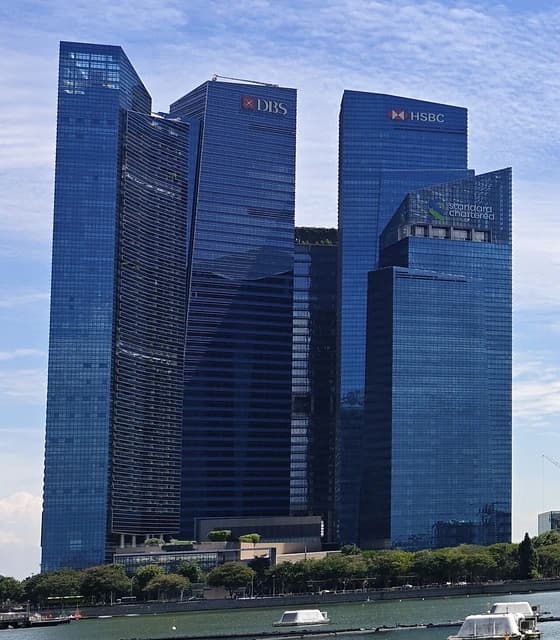
Singapore stands out because it recorded the strongest improvement in ASEAN, which is important well beyond the city-state itself. Singapore often acts as a bellwether for confidence across finance, trade and high-income consumption in the region. A stronger reading there can support everything from discretionary spending to travel and services, and it tends to help investors think more positively about ASEAN exposure as a whole.
Consumer Spending — 30-day sentimentadalytica.com
Explore this data interactively — full history, time series and cross-market comparisons.Open AlphaPulse

For market watchers, the story is less about a single data point than about durability. The VanEck Vectors Indonesia ETF, or EWS, has climbed back above its 50-day and 200-day moving averages, while the iShares MSCI Malaysia ETF, or EWM, is also holding above both long-term trend lines. The iShares MSCI Singapore ETF, or ASEA, remains near recent highs. None of that guarantees a straight line higher, but it does suggest investors are not pricing in a collapse in consumer activity.
There are still risks. Confidence can fade quickly if inflation re-accelerates, currencies weaken or external demand softens. Political tensions in the region also matter because stability is part of the consumer story, and businesses do not invest as freely when the outlook looks uncertain.
But the bigger takeaway is constructive. If ASEAN households keep spending, the region has a better chance of delivering the kind of steady, compounding growth long-term investors should want. Singapore’s lead is worth watching, because it may be pointing to a consumer recovery that is broader and more durable than the headlines suggest.
| Entity | Gains | Losses |
|---|---|---|
| ASEAN consumers | ▲Stronger confidence | ▼Less caution |
| Retailers and banks | ▲Better spending and loan demand | ▼Slower growth fears |
| Singapore | ▲Regional leadership | ▼None meaningful |
| Cautious investors | ▲Fewer downside surprises | ▼Missed upside if demand improves |