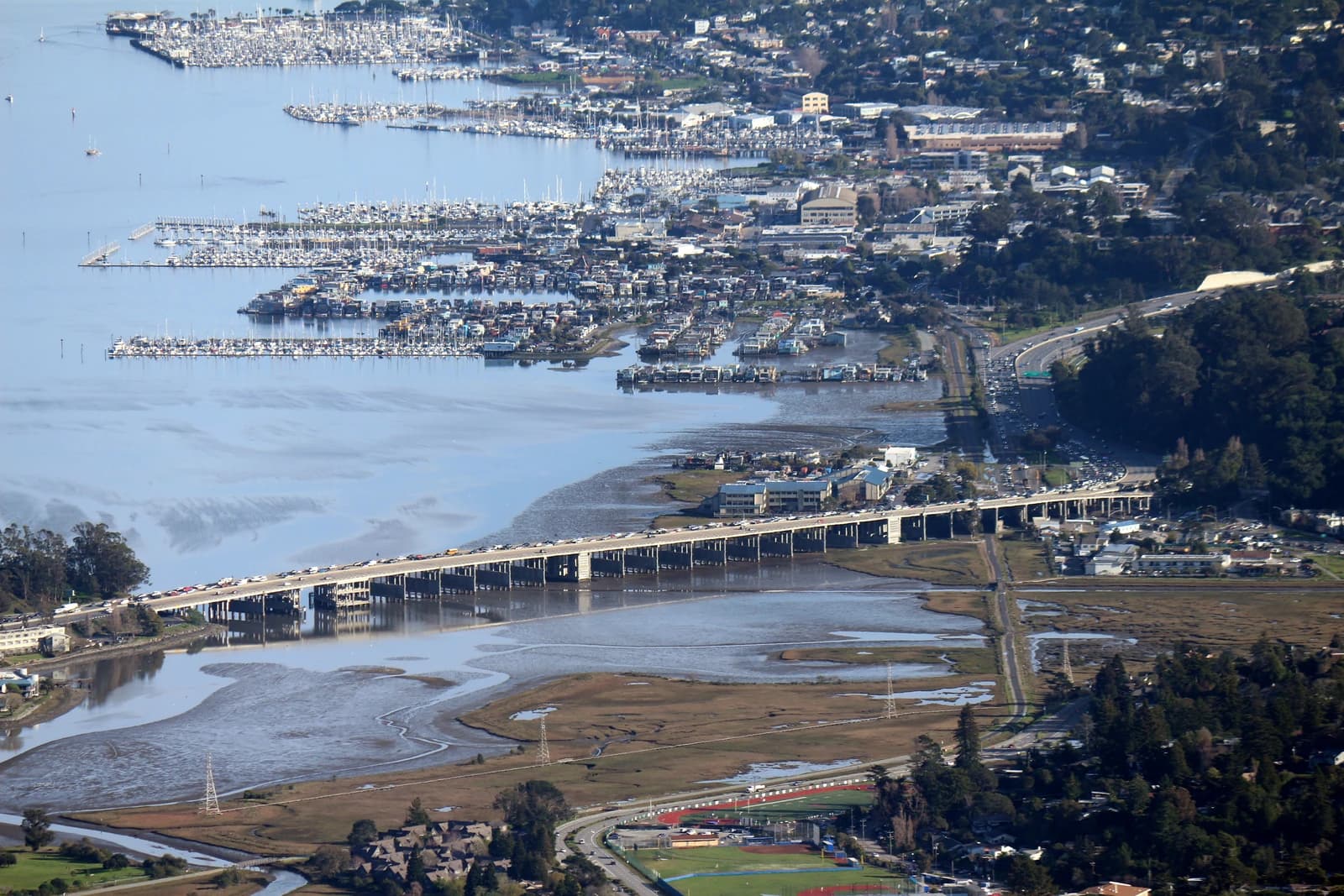
A new housing estate planned for Pasir Ris Drive 4 is Singapore’s latest reminder that the city-state’s most valuable land-use decisions are no longer just about how many homes can be built, but how carefully they can be fitted around nature, drainage and long-term housing demand.
Singapore HDB plans Pasir Ris Drive 4 housing estate
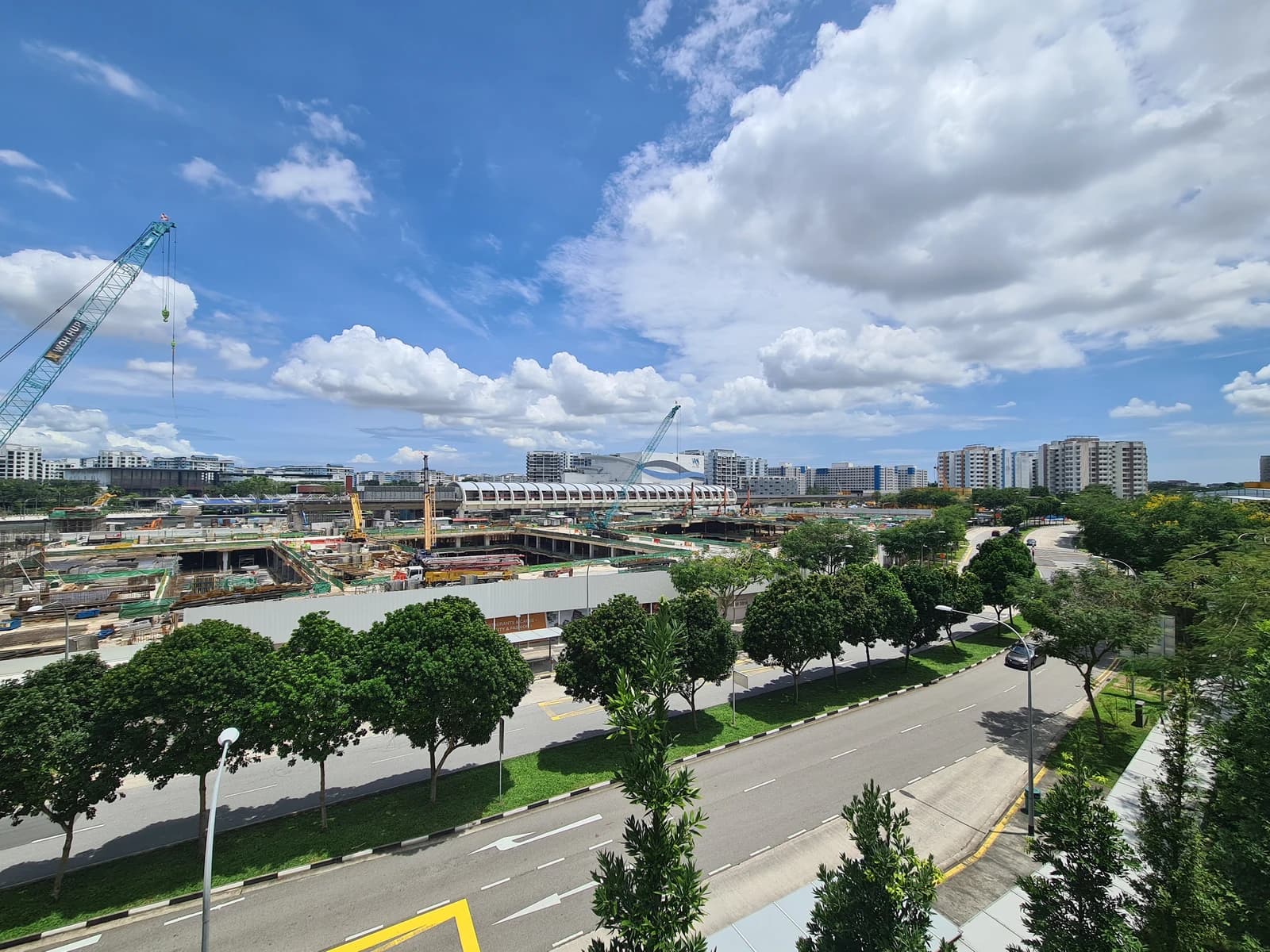
The Housing and Development Board said demand for homes in Pasir Ris remains strong, and it has identified a 36-hectare site for development after an environmental review. About 13 hectares will be kept as natural area, including coastal habitats and plants, while another 5 hectares of green space and mangrove forest will be preserved as a buffer for a nearby waterway.
Sentiment Indicators
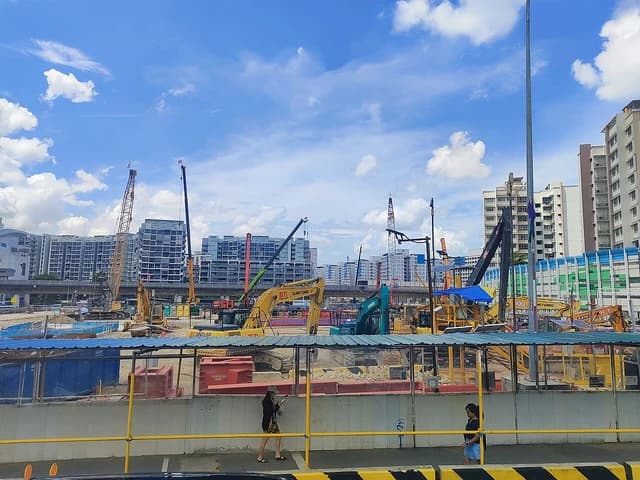
For investors, the significance goes well beyond one neighborhood. Singapore has limited land, a structural shortage of easy-to-develop plots and a population that still needs new housing over time. That means every major estate plan carries implications for public housing supply, construction activity and the broader real estate market. It also shows how the government is trying to unlock land without sacrificing ecological assets that are increasingly viewed as essential infrastructure in a dense, climate-exposed city.
The Pasir Ris plan is especially notable because the site includes coastal areas, intertidal zones, seagrass and swamps that will remain protected. HDB also said it wants to work with nature groups to better understand the area and reduce environmental impact. In practical terms, that kind of planning can lengthen timelines and constrain density, but it also lowers the risk of future backlash, remediation costs and flooding-related complications.
A 15-meter-wide park will be built along Sungei Loyang, with trees and shrubs planted to support biodiversity. Another roughly 1 hectare at the southeastern edge may eventually be needed for coastal protection, though no development is planned there for now.
For long-term investors, the message is straightforward: Singapore’s housing story is still a supply story, but it is becoming just as much a land-management story. Developers, building-material suppliers and infrastructure contractors can benefit from the steady flow of public housing projects, while buyers gain from a more livable estate design. The tradeoff is that more preservation usually means slower or more constrained development, which can keep Singapore’s housing market tight even as new estates go up.
| Entity | Gains | Losses |
|---|---|---|
| Homebuyers in Pasir Ris | ▲New public housing supply | ▼Longer wait for units |
| HDB and Singapore planners | ▲Better land-use balance | ▼Less buildable land |
| Builders and contractors | ▲Steady project pipeline | ▼Tighter site constraints |
| Nature and coastal habitats | ▲Protected green space | ▼Reduced development pressure |