Singapore will lift pay for its political leaders by more than 60%, reinforcing a long-running policy of using top-tier compensation to attract talent even as the move is likely to renew scrutiny over elite pay in one of Asia’s most expensive cities.
Singapore raises minister pay by more than 60%
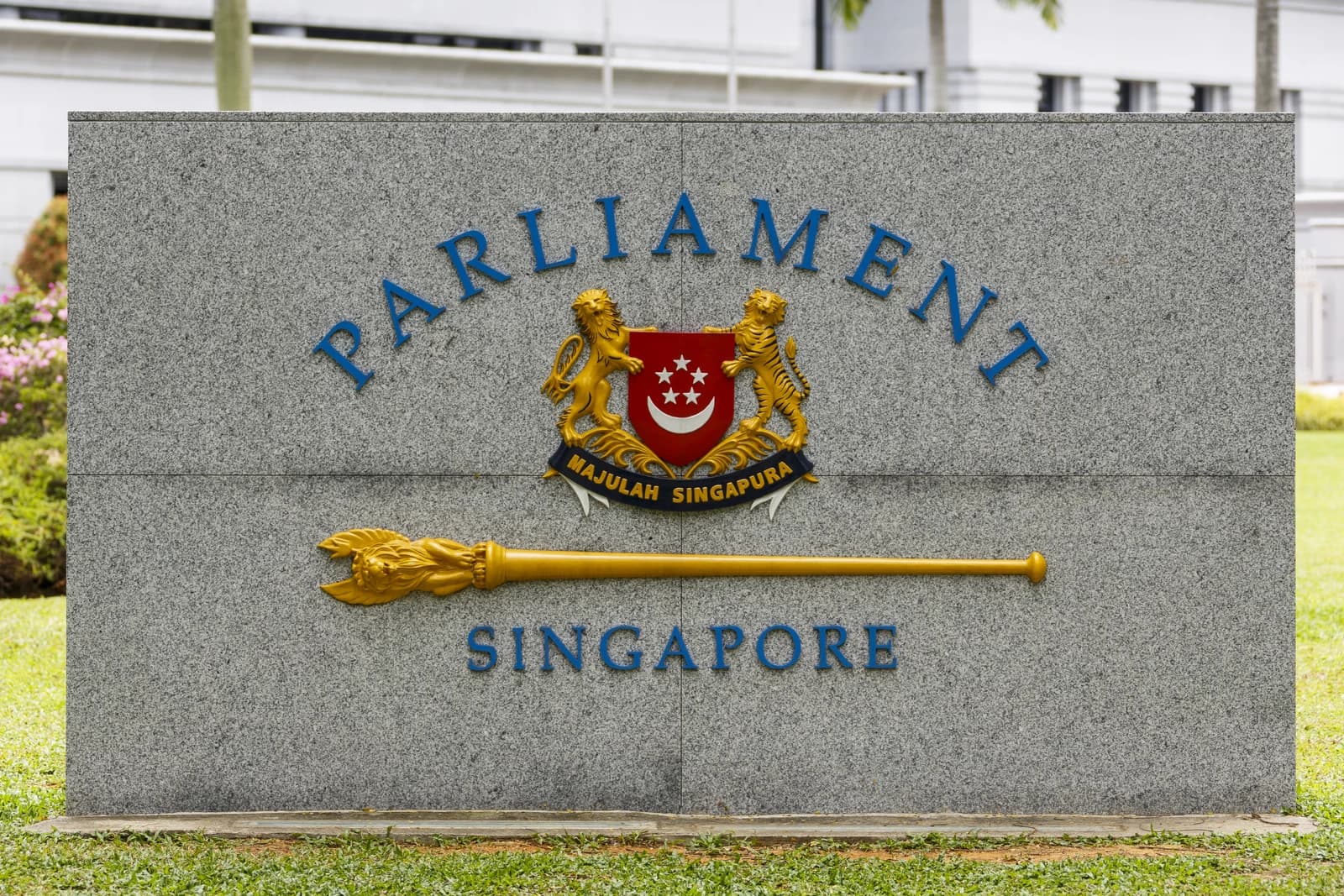
Prime Minister Lawrence Wong told parliament the revision would take his benchmark annual salary to Sg$3.6 million, from Sg$2.2 million now, while deputy prime minister pay would rise to Sg$3.06 million from Sg$1.87 million. Cabinet ministers will be paid between Sg$1.80 million and Sg$2.88 million, depending on seniority and portfolio weight.
Sentiment IndicatorsⓘProprietary · adalytica.com · September 9, 2026
This is a snapshot — live sentiment, awareness and momentum for 130+ markets update continuously in the dashboard.Open AlphaPulse
The increase matters economically because Singapore ties ministerial pay to the private sector benchmark it says is needed to secure capable government leadership in a highly competitive, trade-dependent economy. The city-state has long argued that above-market salaries help reduce corruption risk and improve policy continuity, a pitch that has underpinned its reputation for clean government and investor-friendly institutions.
For investors, the move is a reminder of the policy premium attached to Singapore’s governance model. Stable institutions, low corruption and a technocratic cabinet have been key to the country’s appeal as a regional financial hub, wealth-management center and headquarters base. Any shift that preserves that framework tends to support confidence in the sovereign and in Singapore-linked assets, including the iShares MSCI Singapore ETF, ticker EWS.
Wong said he would donate the entire increase to “suitable good causes” during his term. He also noted that existing office holders will not immediately be moved to the new benchmarks, instead receiving a one-off adjustment of up to 9% from Oct. 15 depending on performance and circumstances.
The politically sensitive decision comes 15 years after the last ministerial pay review and lands in a country where cabinet salaries already far exceed those of leaders in the US and other G7 economies. Wong said the issue is ultimately about whether Singapore can continue to attract the quality of leadership it needs in the decades ahead.
Investors will watch whether the pay revision triggers domestic backlash or becomes a non-event, but the broader message is that Singapore intends to preserve the institutions and incentives that have long supported its economic model. The next test is whether the government can defend the decision politically while keeping its fiscal and reform agenda on track.
| Entity | Gains | Losses |
|---|---|---|
| Singapore cabinet | ▲Higher compensation, talent retention | ▼Public scrutiny |
| Singapore government | ▲Policy continuity, governance credibility | ▼Political criticism |
| Investors in Singapore assets | ▲Institutional stability | ▼Risk of social backlash |
| Taxpayers / voters | ▲— | ▼Higher elite pay burden |