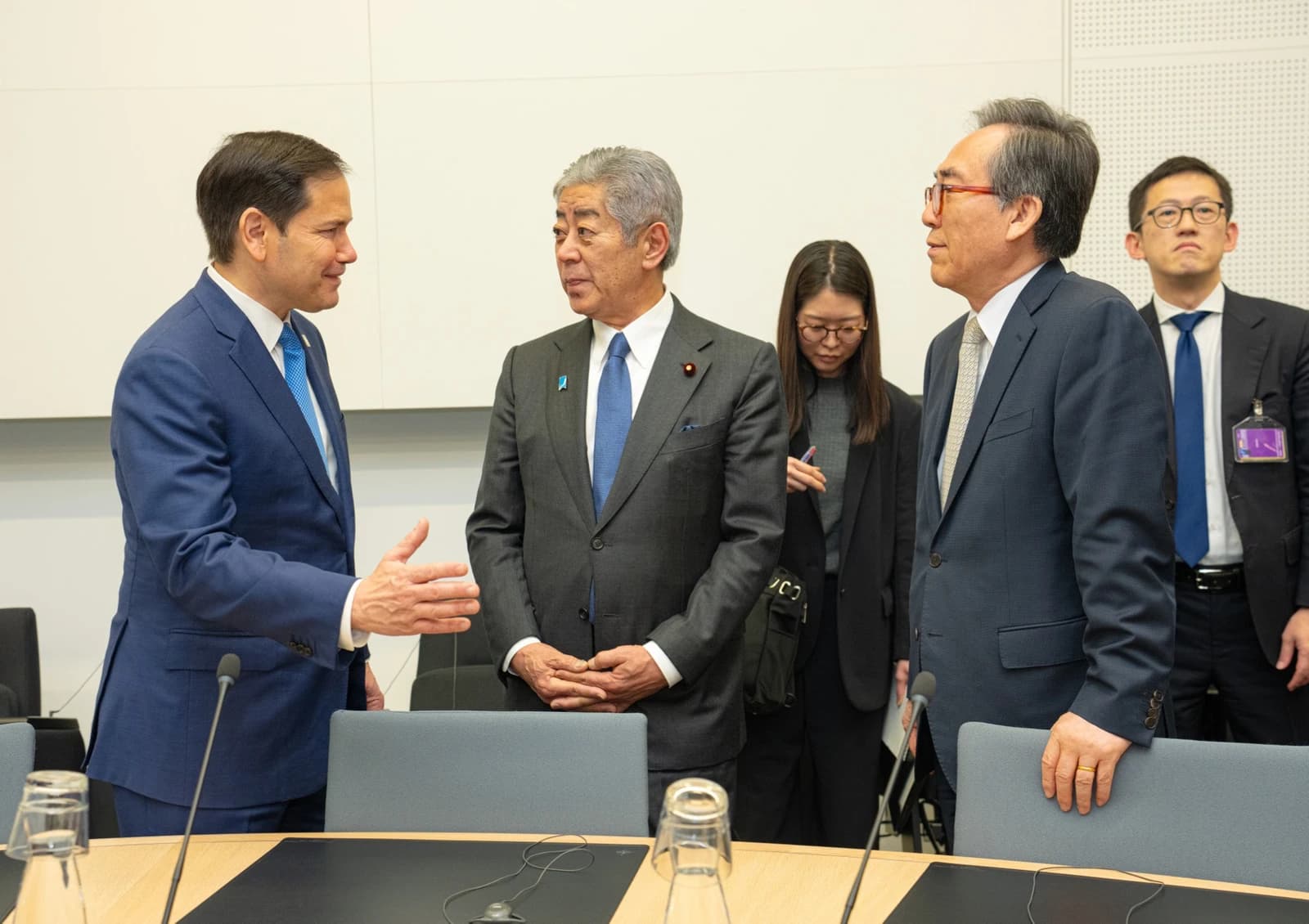
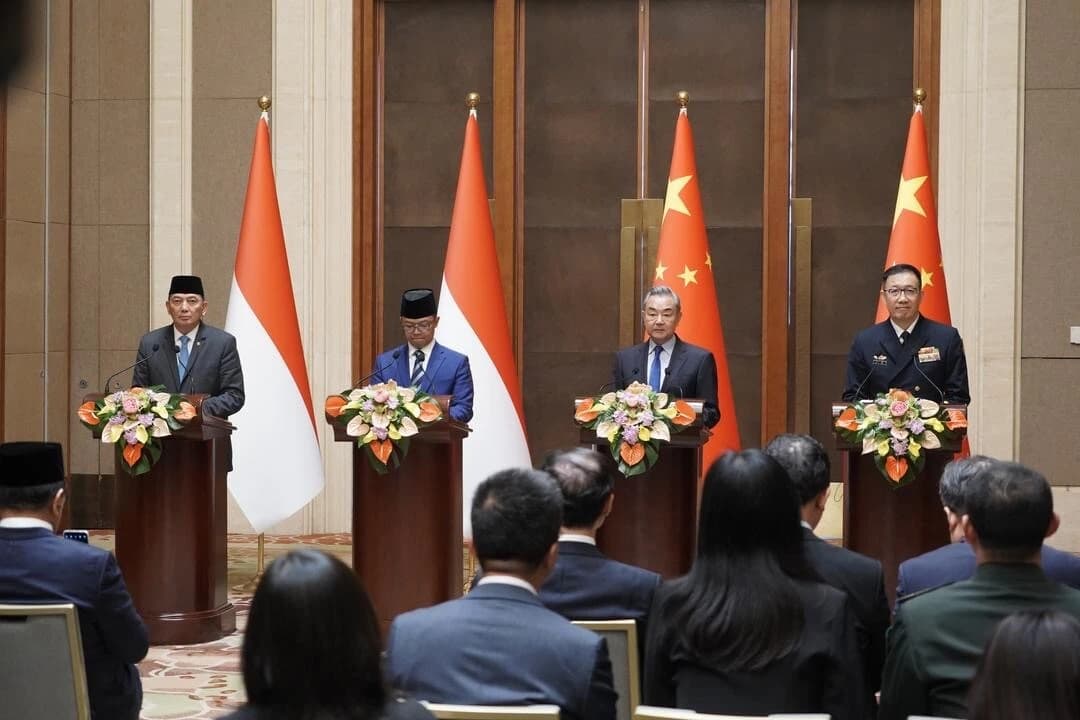
Singapore’s Chan Chun Sing used Mandarin and a Mencius quote to land a sharper diplomatic message in Beijing, underscoring how language and cultural fluency are becoming strategic tools in Asia’s widening contest for influence.
Singapore diplomacy lifts EWS and regional hubs

That matters because the visit was not just a soft-power performance. At the Xiangshan Forum, China’s flagship defense gathering, the Singapore minister told an audience of delegates from nearly 100 countries that major powers should build trust rather than rely on coercion. In a region where supply chains, defense ties and investment flows are increasingly shaped by the U.S.-China rivalry, even small shifts in tone can affect how Southeast Asia positions itself between the two giants.
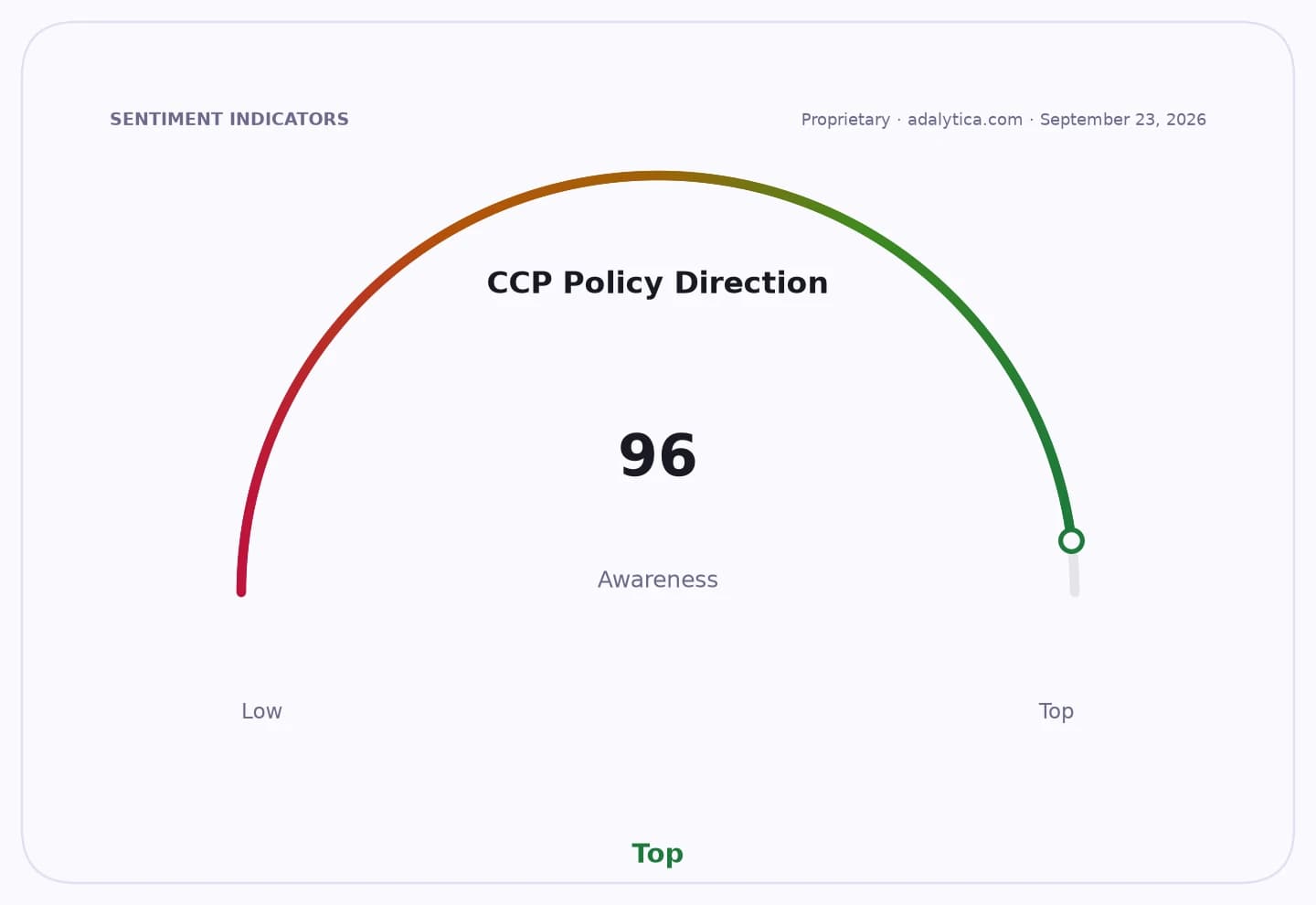
Sentiment IndicatorsⓘProprietary · adalytica.com · September 20, 2026
This is a snapshot — live sentiment, awareness and momentum for 130+ markets update continuously in the dashboard.Open AlphaPulse
The fact that Chan spoke mostly in English but switched into Mandarin for the key lines was the point. Chinese social media users praised his command of the language and his familiarity with Chinese thought, turning the speech viral on Weixin and Baidu. For Singapore, that kind of reception is useful leverage: it allows the city-state to press a firmer line on restraint and trust while keeping access open to Beijing.
For investors, this is a reminder that diplomacy is now part of the market setup in Asia. The more credible Singapore looks as a bridge between China and the West, the more valuable it becomes as a hub for capital, regional headquarters, legal services and cross-border financing. That supports the case for Singapore-linked assets, from banks and property names to transport and infrastructure exposures that benefit when the country remains the preferred neutral platform in a fractured geopolitical map.
It also helps explain the relative resilience of China-adjacent assets despite persistent policy and trade uncertainty. FXI, the iShares China Large-Cap ETF, has recently hovered near $34.32, still below its 200-day moving average of $36.28, with RSI readings in the mid-30s and the MACD still negative — signs the rally has not fully reset sentiment. EWH, the Hong Kong ETF, has also drifted around $22.45, just under its long-term trend line. By contrast, EWS, the Singapore ETF, has held closer to $32.80 and above its 200-day average, reflecting the market’s willingness to pay for stability, connectivity and policy credibility.
The broader backdrop is not benign. Adalytica’s US–China relations gauge sits in “Fear” territory at 30, while its global stability score has improved only modestly to 52. That is exactly the kind of environment in which Singapore’s style of diplomacy matters most: when investors want exposure to Asia, but not to the full force of the superpower standoff.
The key takeaway is that Singapore is not just speaking to China — it is trading on trust. I believe that makes Singapore’s financial and infrastructure franchises a quieter but more durable way to play Asia’s next phase than chasing the most obvious China beta. The market still underestimates how much value accrues to the neutral intermediary when geopolitics gets louder.
| Entity | Gains | Losses |
|---|---|---|
| Singapore | ▲Diplomatic credibility | ▼None immediately |
| China | ▲Positive messaging | ▼Pressure to reciprocate |
| Singapore-linked equities | ▲Safe-haven premium | ▼None directly |
| Pure China beta | ▲Optionality from thaw | ▼Geopolitical discount |