Singapore’s move to ease visa rules for Indian visitors could give the city-state’s tourism rebound a meaningful lift by lowering a key friction point for one of its fastest-growing source markets.
Singapore Visa Easing Could Boost Indian Tourism
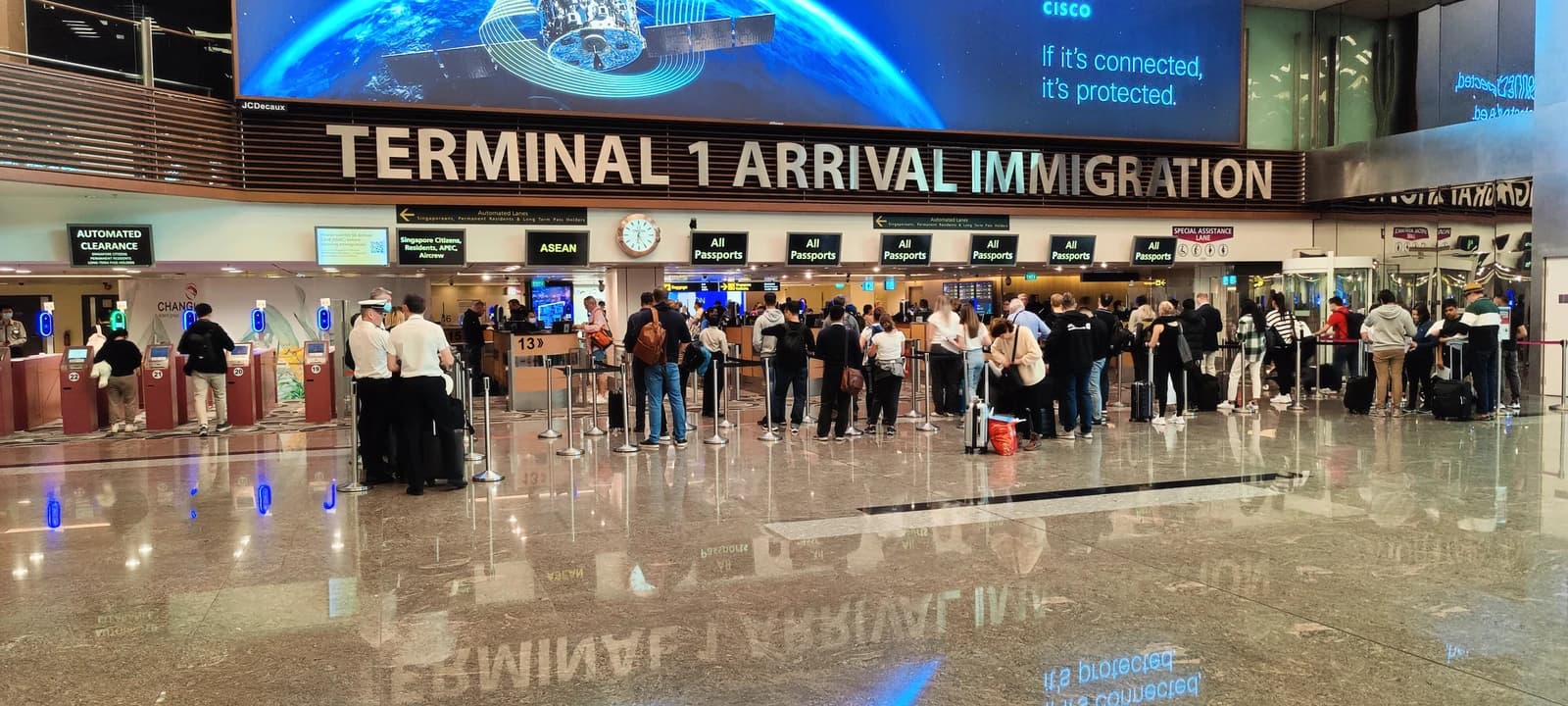
That matters because Indian outbound travel has become a prized growth engine across Asia, and Singapore is trying to defend market share against rival destinations that have already moved to simplify entry rules, expand airline capacity and court higher-spending leisure travellers. For a small, services-driven economy, even modest gains in visitor arrivals can feed through to retail spending, hotels, food services, attractions and aviation.
Sentiment IndicatorsⓘProprietary · adalytica.com · July 17, 2026
This is a snapshot — live sentiment, awareness and momentum for 130+ markets update continuously in the dashboard.Open AlphaPulse

The policy shift also fits a broader regional pattern: Southeast Asian governments are leaning harder on tourism to support domestic demand as external growth cools and consumers remain selective. Easier access for Indian travellers would likely help Singapore convert more short-haul trips into high-yield visits, especially for family travel, weddings, premium shopping and medical tourism, where Indian demand has been resilient.
The economic logic is straightforward. Singapore has long relied on tourism not just for hotel room nights but for spillovers into transport, casinos, restaurants and luxury retail. Visa simplification reduces both the time cost and perceived hassle of travel, which can be enough to change booking decisions in a market where travellers have multiple regional alternatives, from Thailand and Malaysia to the United Arab Emirates.
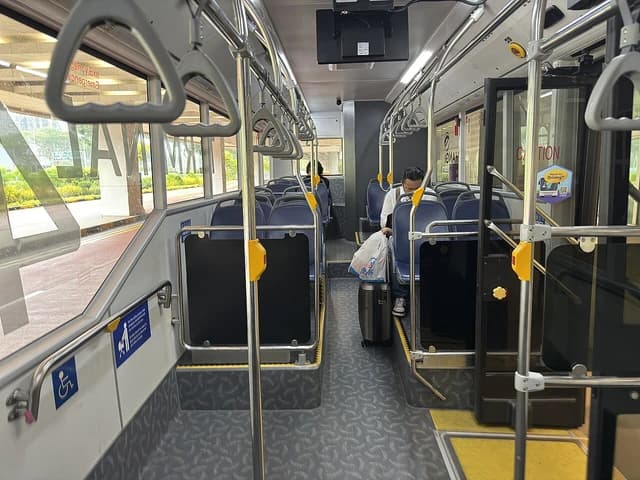
For investors, the immediate relevance sits with travel-linked names rather than broader equities. Hotel operators, airport services, airline capacity providers and tourism-exposed retailers stand to benefit if the policy translates into higher arrivals and longer stays. The bull case is that India’s rising middle class and strong propensity to travel can support sustained growth, particularly if Singapore couples easier visas with better connectivity and targeted promotions.
The bear case is that visa easing alone may not be enough. Travel demand can still be constrained by airfare, exchange rates and a cautious consumer backdrop, while competition from destinations offering visa-free or low-friction entry may blunt the impact. If the policy is only a marginal administrative tweak, the effect on earnings could be limited and gradual rather than immediate.
Still, the strategic message is clear: Singapore is signalling it wants a bigger share of India’s outbound travel surge and is willing to use policy to compete for it. The key catalyst now is whether airlines, hotels and tour operators respond with capacity and pricing that turn easier entry into real traffic growth.
| Entity | Gains | Losses |
|---|---|---|
| Singapore tourism sector | ▲More Indian arrivals | ▼None directly |
| Hotels, retailers, attractions | ▲Higher visitor spend | ▼Price competition |
| Indian travellers | ▲Easier entry | ▼Fewer frictions elsewhere |
| Rival Asian destinations | ▲— | ▼Potential market share |