Singaporeans lured by promises of Nanning’s boom and easy luxury living have been pulled into a suspected Guangxi Ponzi scheme that shows how cross-border China investment pitches can mutate into coercive recruitment machines.
Singaporeans Detained in Guangxi Ponzi Scheme

The case matters because it is not just a fraud story — it is a warning about how speculative money, weak transparency and the lure of China’s growth narrative can be weaponized against retail savers and expatriate communities. Singapore authorities said 52 Singaporeans had been detained in Guangxi over suspected pyramid-scheme activity, underscoring that the operation had scale, not just anecdote.
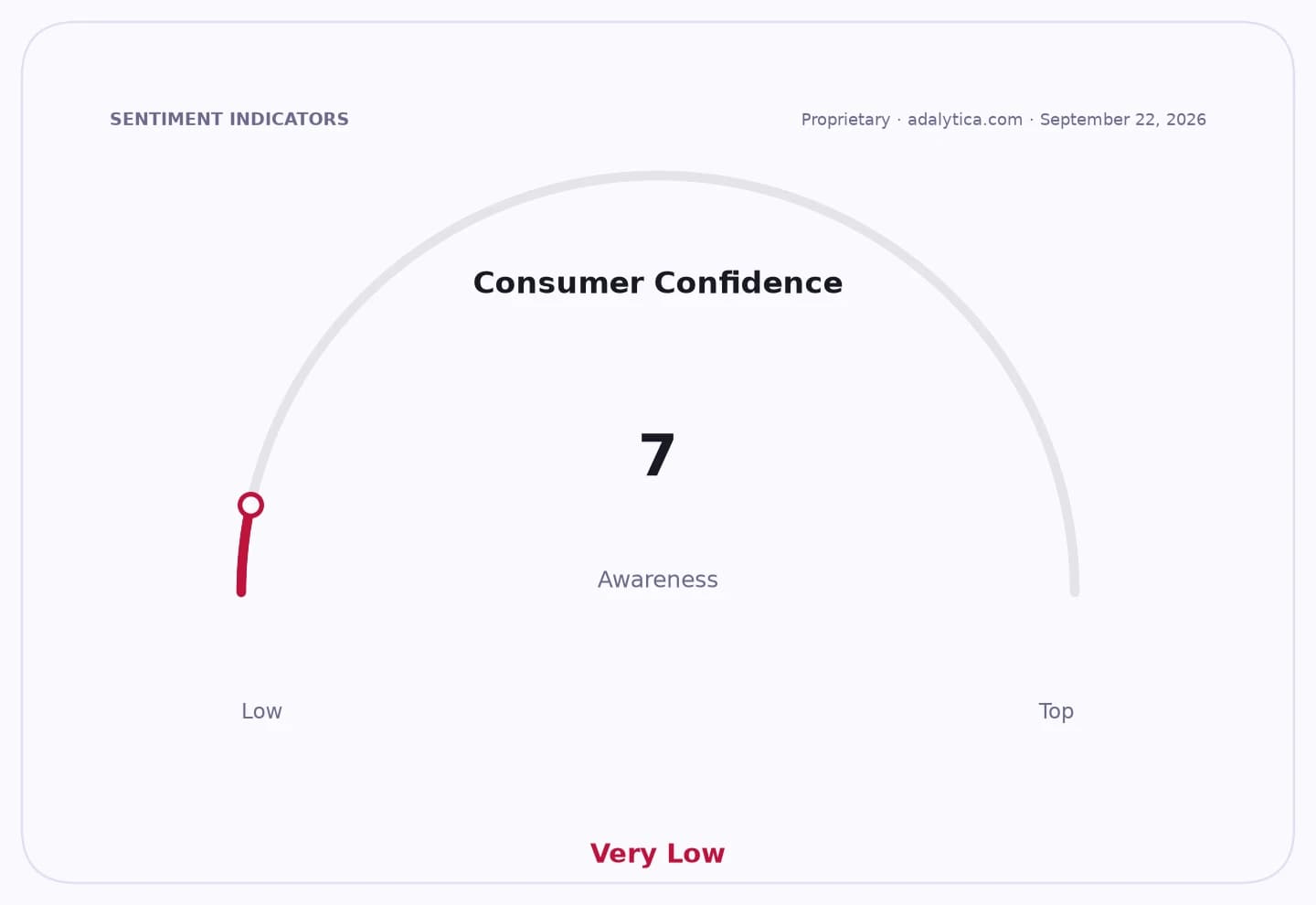
Sentiment IndicatorsⓘProprietary · adalytica.com · September 6, 2026
This is a snapshot — live sentiment, awareness and momentum for 130+ markets update continuously in the dashboard.Open AlphaPulse
According to accounts gathered by The Straits Times, recruits were sold the idea of “riding the China wave” in Nanning, Guangxi, with the city portrayed as the “next Shenzhen.” They were allegedly kept under close watch on five-day recruitment trips, barred from moving freely and pushed into mandatory sales sessions in condominiums fitted with CCTV cameras. That kind of control is the telltale sign of an organized illegal sales funnel, not a genuine investment club.
The economics of the scheme are straightforward and ugly. Participants were told they could recover their money by recruiting others, with each new entrant valued at about S$10,000. That is classic Ponzi logic: cash from later recruits pays earlier ones until the chain breaks. The reported entry sums of S$26,000 to S$50,000 — and in one case a S$70 “promise fee” extracted from a frightened recruit — show how quickly household savings can be drained once social pressure replaces due diligence.
For investors, the broader message is that China-linked retail enthusiasm remains vulnerable to narratives that sound like macro opportunity but behave like fraud. The pitch relied on familiar themes — property, tourism, regional development, and the idea that one market can be captured early before the crowd arrives. That is precisely why these schemes work: they borrow the language of secular growth while offering no verifiable asset base, no clear cash flow and no real disclosure.
There is also a market-layer implication beyond the victims themselves. When stories like this surface, they reinforce skepticism around private wealth flows into China and toward opaque offshore “opportunities,” even as investors continue searching for exposure through listed vehicles. The China trade is already split between those chasing a rebound in growth assets and those wary of policy risk, capital rotation and governance concerns. Retail scams of this sort deepen that caution.
That makes the investable conclusion clearer. The market underestimates how much demand will continue to shift away from anything that requires trust in a middleman and toward transparent, listed, regulated exposure — from broad China ETFs to firms that sell the picks-and-shovels of verification, compliance and payments security. In a world where “ride the China wave” can be the front end of coercion, investors should prefer liquid structures, audited balance sheets and businesses that get paid regardless of which speculative story catches fire next.
The next catalyst is not another promised boom in Guangxi. It is whether regulators tighten cross-border enforcement and whether more alleged victims come forward. If they do, the fallout will not just hit the organizers — it will further chill trust in informal China investment pitches and push capital toward cleaner, more defensible ways to play any eventual rebound.
| Entity | Gains | Losses |
|---|---|---|
| Singapore regulators | ▲Stronger warning case | ▼Higher enforcement burden |
| Legitimate China ETFs | ▲More demand for transparency | ▼Less appetite for opaque pitches |
| Guangxi scheme organizers | ▲Near-term cash inflow | ▼Criminal exposure |
| Retail recruits | ▲None | ▼Savings, trust, mobility |