A contract error in Slovakia’s energy market is creating a costly trap for households, with suppliers able to claw back hundreds of euros when domestic power use is mixed up with business consumption.
Slovak billing errors create utility and consumer risk
That matters because energy bills are one of the most sensitive items in any household budget, and billing mistakes that can be corrected retroactively do more than create inconvenience — they undermine trust in the whole market. For families already dealing with higher living costs, a surprise back charge can feel like a shock levy. For investors, the issue is a reminder that utility revenues may look predictable on the surface, but contract design, customer classification and regulatory compliance can quickly turn stable cash flows into reputational and legal risk.
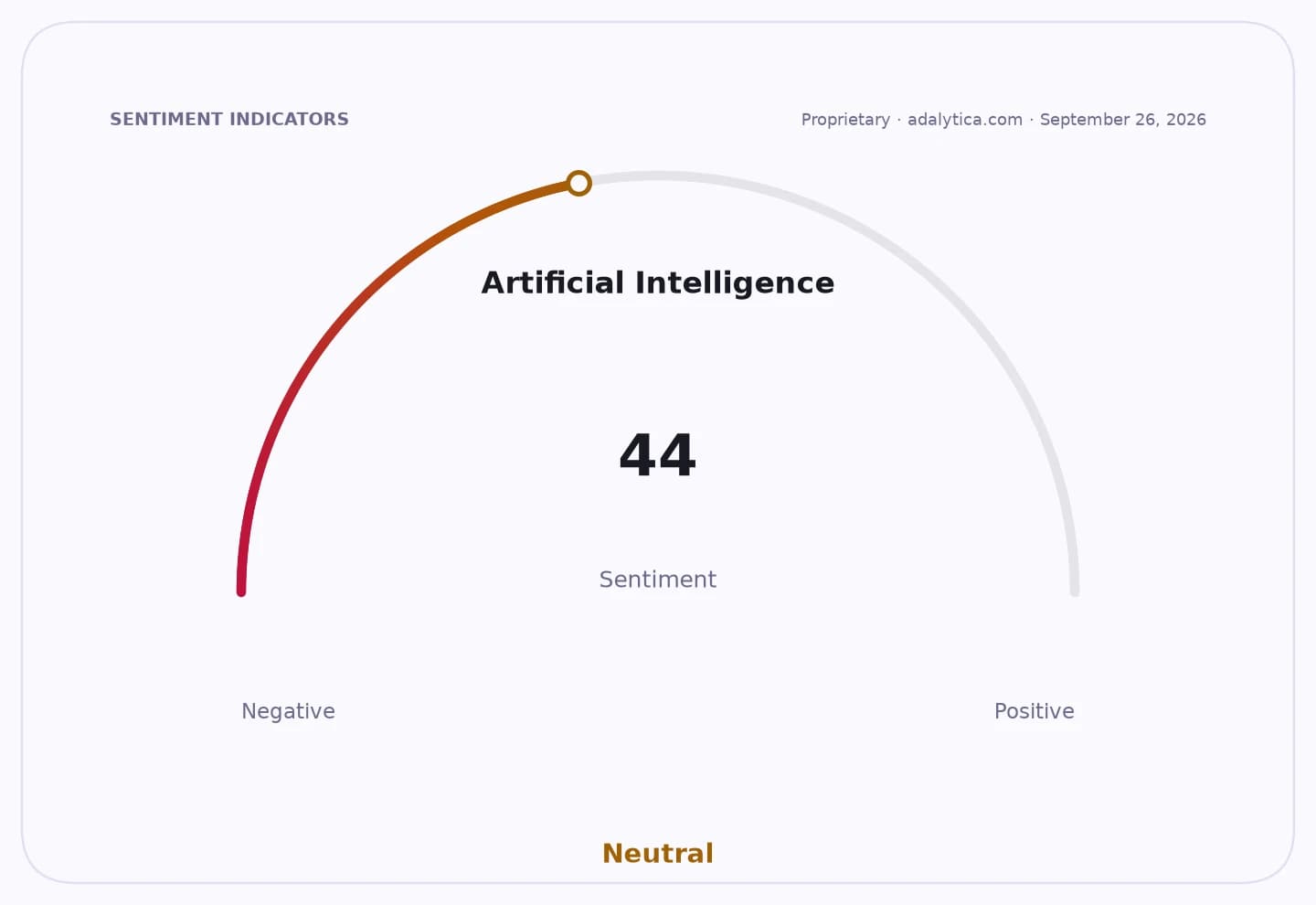
Sentiment IndicatorsⓘProprietary · adalytica.com · July 22, 2026
This is a snapshot — live sentiment, awareness and momentum for 130+ markets update continuously in the dashboard.Open AlphaPulse
The problem, as described in the Slovak case, is technical as much as contractual: in practice it is impossible to distinguish domestic consumption from business consumption cleanly in some situations. That leaves room for suppliers to argue that an account was billed under the wrong tariff, then reclaim the difference later. In a market where households often assume their electricity or gas contract gives them certainty, that kind of ambiguity can be expensive.
For suppliers, the upside is obvious: if the contract language is written broadly enough, they may be able to recover undercharged amounts. But that short-term protection can come at a longer-term cost. Billing disputes usually lead to complaints, slower collections, higher administrative costs and political pressure for tighter consumer rules. In energy, where customer churn and public perception matter, even a technically defensible chargeback can become a brand problem.
For investors in utilities and energy retailers, the broader lesson is that the earnings story does not stop at commodity prices. Contract enforcement, customer segmentation and billing systems can all affect realized margins. Companies with cleaner customer data, simpler tariff structures and stronger compliance controls tend to deserve higher confidence from long-term shareholders because they reduce the risk of unpleasant surprises.
The timing also matters. European households are still highly sensitive to energy costs, and policymakers are under pressure to protect consumers from opaque billing practices. If the Slovak case draws scrutiny, it could encourage tougher contract wording, greater disclosure or even retroactive limits on what suppliers can reclaim. That would shift bargaining power away from utilities and toward customers, especially households with small businesses, home offices or mixed-use premises.
For investors, the best takeaway is not to chase the noise, but to watch which energy suppliers can prove they have disciplined billing systems and low dispute risk. In a sector where stable dividends and dependable cash generation matter, operational sloppiness can erase a lot of apparent safety. This is the kind of issue worth keeping on the watchlist — not because it is glamorous, but because in utilities, small contractual mistakes can have very real economic consequences.
| Entity | Gains | Losses |
|---|---|---|
| Energy suppliers | ▲Retroactive charge recovery | ▼Reputation risk |
| Slovak households | ▲Potential tariff clarity | ▼Surprise back bills |
| Regulators | ▲Chance to tighten rules | ▼Pressure to intervene |
| Utility investors | ▲Better operators may gain trust | ▼Firms with weak controls |