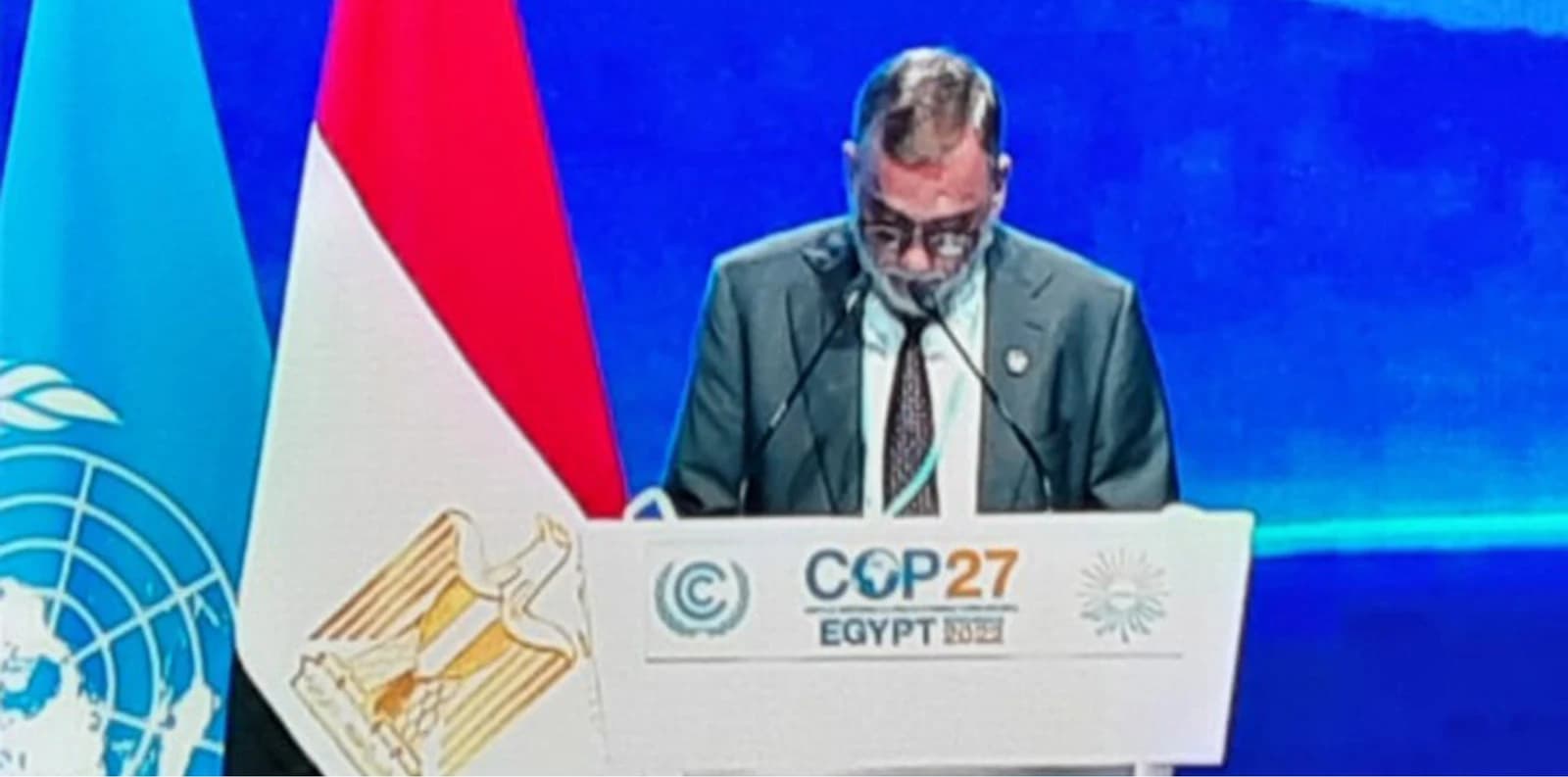
Mahmoud Mohy El-Din has called for new financing mechanisms to channel more investment into small island developing states, underscoring a policy problem that carries outsized economic consequences for some of the world’s most climate-vulnerable economies.
Small island states seek new financing mechanisms
The UN special envoy for financing sustainable development said the financing gap is limiting investment in infrastructure, resilience and growth in island nations that face high borrowing costs, narrow economic bases and repeated exposure to climate shocks. For investors, that makes the issue less about aid than about whether capital can be structured in a way that is bankable, scalable and attractive to private money.
Small island economies are among the most exposed to hurricanes, sea-level rise and imported inflation, while many also depend on tourism, shipping and commodity imports. That combination makes traditional lending expensive and often too short-term for the kind of projects needed to support energy systems, ports, digital networks and climate adaptation.
The comments come as governments and multilateral institutions face growing pressure to redesign development finance rather than rely on grants alone. In practice, that could mean blended finance, guarantees, concessional lending, debt swaps and other structures designed to lower risk and crowd in private capital.
For investors, any move toward more standardized financing vehicles for small island states could open opportunities in infrastructure, renewable energy and climate resilience projects, while also improving visibility for development banks and sovereign issuers active in the region. But without better risk-sharing, the high cost of capital will continue to weigh on project returns and delay investment.
The broader message is that small island developing states are not short of investment needs; they are short of financing formats that match their risk profiles. Whether policymakers can turn that into a pipeline of investable assets is likely to be a key test at upcoming international development and climate forums.
| Entity | Gains | Losses |
|---|---|---|
| Small island developing states | ▲Better access to capital | ▼High-cost, delayed investment |
| Private investors | ▲New blended-finance opportunities | ▼Lower-return, risk-heavy deals |
| Multilateral lenders | ▲Larger policy role | ▼Pressure to absorb more risk |
| Governments in island states | ▲Funding for resilience projects | ▼Reliance on scarce traditional borrowing |