Rich countries are under fresh pressure at COP31 to spend far more on climate action, with the summit’s host saying they should devote significantly more than the 5% of GDP NATO members have pledged for defense, as vulnerable island nations demand urgent finance to keep the 1.5C target alive.
COP31 Climate Finance Pressure on Rich Countries
The message from the Pacific is economically blunt: climate risk is no longer a distant environmental issue, but a balance-sheet problem that is already destroying assets, disrupting trade and forcing governments to choose between adaptation spending and other priorities. For poorer and exposed countries, the issue is not whether to act, but who pays — and whether richer states will treat emissions cuts, ocean protection and disaster resilience as core security spending rather than discretionary aid.
Sentiment Indicators
Turkish Climate Change Minister Murat Kurum, who is leading the COP31 process, told the Guardian that climate policy should be viewed as security policy. That framing matters because it raises the political stakes for finance pledges ahead of the November summit in Antalya, where negotiators are expected to confront unresolved disputes over fossil fuels and the pace of the transition away from coal, oil and gas. Kurum stopped short of saying countries should re-up the explicit agreement made at a previous summit to “transition away from fossil fuels,” instead suggesting the world is already in transition and may tighten use indirectly through other measures.
That ambiguity is likely to be one of the most important negotiating fault lines. Fossil-fuel producers and countries wary of binding language have sought to soften the wording around phaseout, while small island states and climate-vulnerable economies want clearer commitments that match the scale of the threat. Their argument has gained force from a recent UN Environment Programme assessment warning that even under the most optimistic path, global temperatures are still headed for at least 1.8C of warming, well above the Paris Agreement’s 1.5C limit.
The economic case for faster action is being sharpened by rising damage costs and the widening gap between climate ambition and actual investment. The UN has said each fraction of a degree avoided would save lives and limit economic losses, a point that resonates for countries facing stronger storms, sea-level rise and infrastructure destruction. For island nations, climate finance is not just about emissions mitigation; it is about protecting ports, tourism, fisheries and public finances from increasingly frequent shocks.
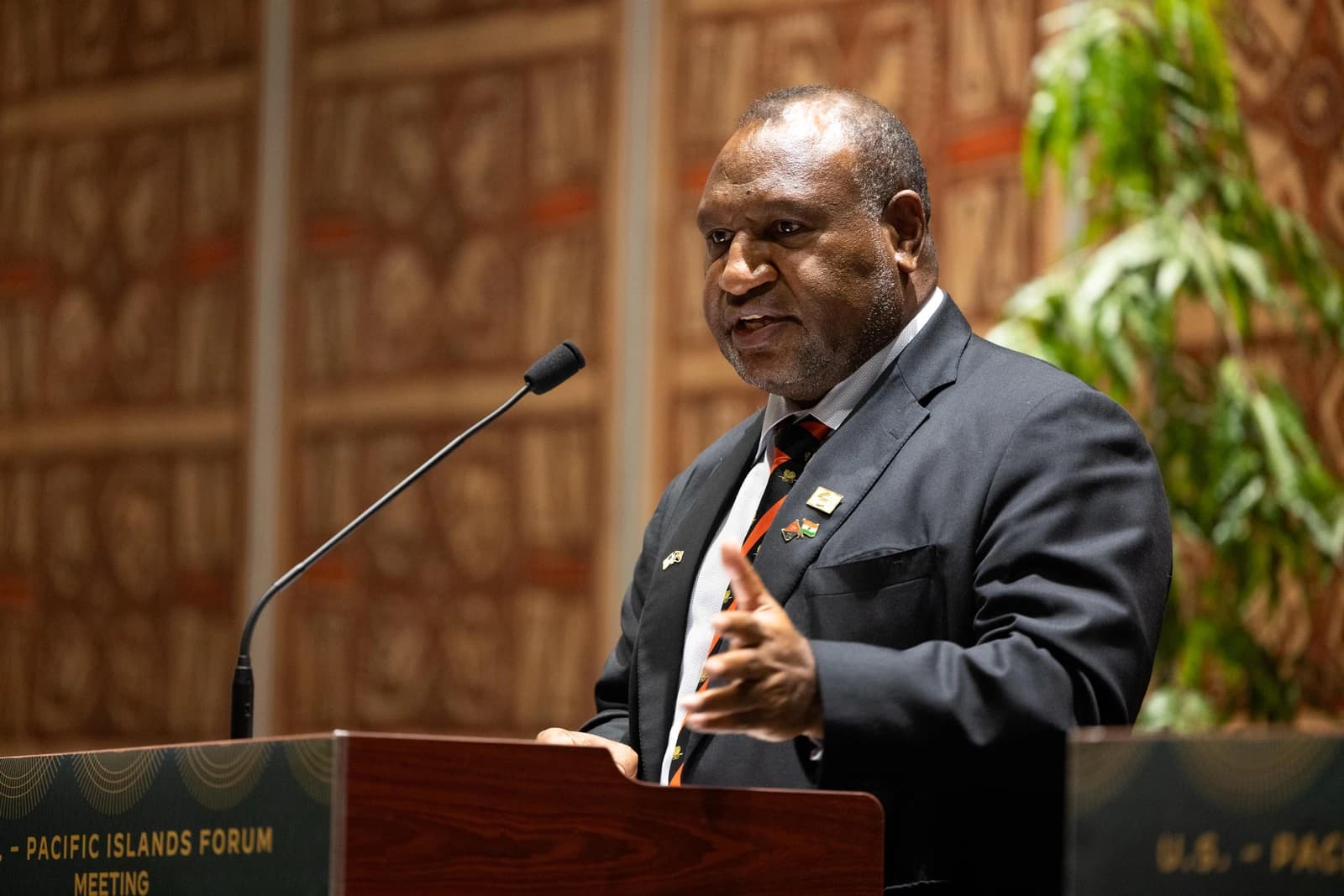
The summit in Fiji this week underlined how uneven the politics remain. Only 13 leaders attended alongside Australian Prime Minister Anthony Albanese, though about 30 ministers and delegations from China, Saudi Arabia, India and Europe were present, along with roughly 4,000 other participants. The lower-level attendance reflected geopolitical tensions, war-related disruptions and the fact that many governments are already preparing for the main COP gathering in Turkey.
Australia had wanted the preparatory meeting in the Pacific to spotlight island concerns, and those concerns dominated the messaging. Pacific leaders pressed for meaningful access to climate finance, stronger protection of oceans and a political commitment to keep the 1.5C goal “alive.” That is more than symbolism. It will shape whether rich-country pledges at COP31 are large enough, fast enough and sufficiently concessional to unlock adaptation and resilience projects in countries that are highly exposed but fiscally constrained.
For investors, the story reaches beyond diplomacy. A stronger global climate-finance push would support demand for grid, renewable, storage, efficiency and resilience spending, while increasing pressure on fossil-fuel producers and carbon-intensive manufacturers. It also raises the odds of tighter regulation, higher compliance costs and more stranded-asset risk over time, themes already visible in oil majors’ filings and capital plans.
The likely outcome is a tougher negotiation in Antalya, with island states and the wider developing world pushing for money, ocean protection and stronger language on emissions, while richer countries weigh fiscal constraints, domestic politics and competing security budgets. If COP31 delivers only vague promises, the gap between climate rhetoric and funding will widen further; if it produces a larger finance package and clearer transition language, it could reset expectations for where climate capital flows next.
| Entity | Gains | Losses |
|---|---|---|
| Vulnerable island nations | ▲More climate finance | ▼Delayed action |
| Rich countries | ▲Diplomatic credibility if they fund more | ▼Budget pressure |
| Fossil-fuel producers | ▲Softer transition language | ▼Stricter phaseout pressure |
| Clean-energy and resilience sectors | ▲Higher investment demand | ▼Fossil-heavy incumbents |