Reducing methane leaks could turn Turkmenistan from a long-shot gas supplier into a credible contender for Europe’s market just as the European Union tightens import rules and scrambles to secure winter supply.
Turkmenistan Gas Could Gain EU Access on Methane Cuts
That matters because the next phase of Europe’s energy transition is no longer just about cutting emissions at home. It is about cleaning up the supply chain that feeds the continent’s industry, power plants and heating systems. For gas exporters outside the bloc, methane intensity is becoming a commercial gatekeeper, not a side issue.
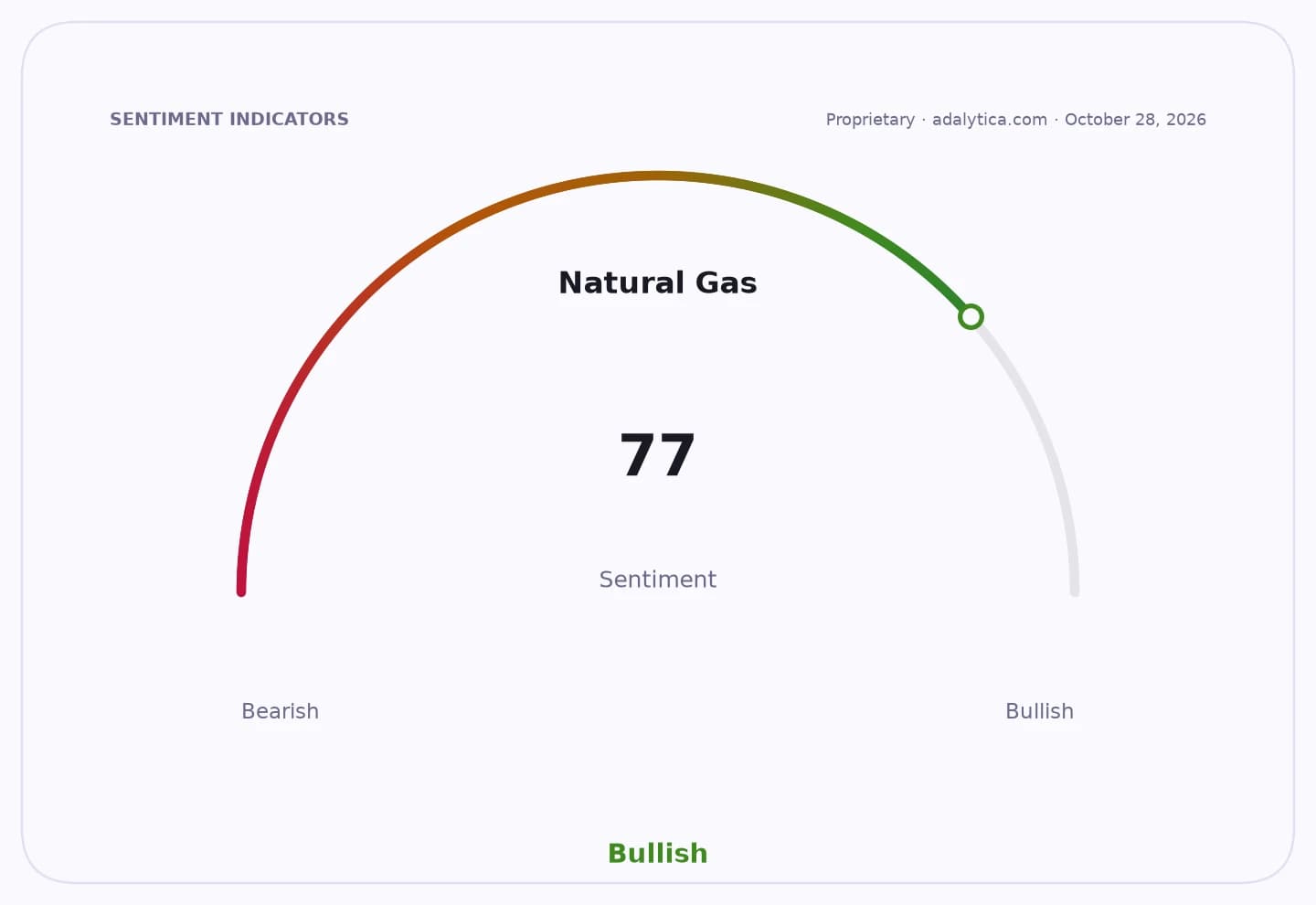
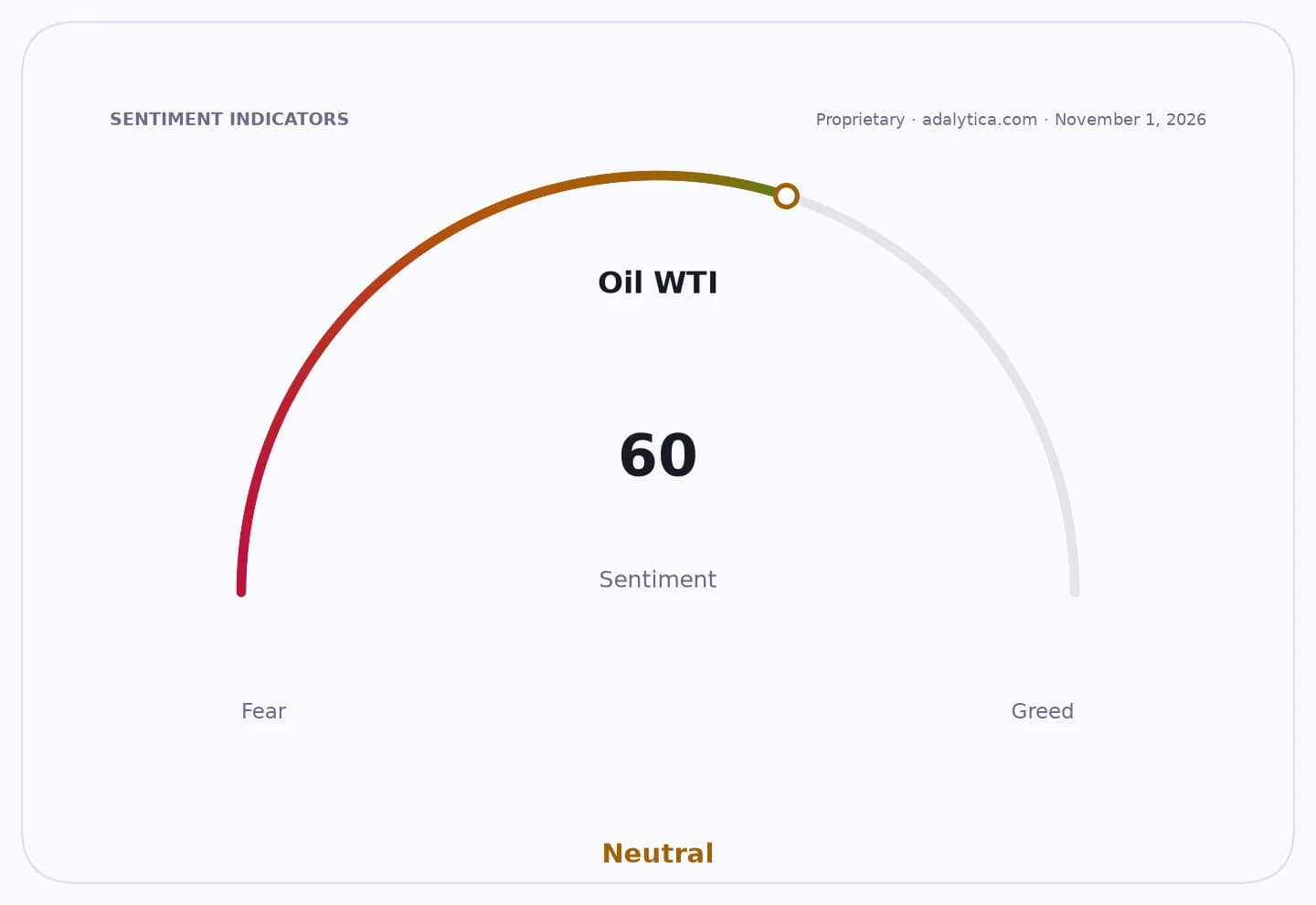
Sentiment Indicators
Enri Gjondrekaj, an energy and climate regulation associate at Correggio Consulting, said Turkmenistan’s methane intensity is estimated at 7% by the International Energy Agency, but is declining. He argued that if the country can keep cutting emissions, it could meet EU requirements by around 2030 and become a potential buyer for Turkmen gas.
That timeline is important. Under the EU methane regulation, importers of oil, gas and coal from outside the bloc will face phased obligations to disclose fuel origin and methane reduction measures, along with monitoring, reporting and verification requirements. The key import-related methane intensity rules are due to apply to contracts concluded or renewed after Aug. 5, 2030.
In other words, the market window is opening now. Producers that spend the next few years lowering leakage, improving measurement and installing credible monitoring systems will be best placed to capture European demand when the regulatory bar rises. Those that do not will increasingly be shut out of a premium market that is already paying up for security of supply.
For Turkmenistan, the prize is obvious. Europe remains a structurally important outlet for gas, especially as the bloc looks to diversify supply and keep reserves filled ahead of winter. The EU’s willingness to tolerate higher prices for secure storage underscores how valuable compliant molecules could become. If Turkmen gas can clear methane rules, it gains access not just to a market, but to one with persistent strategic demand.
The investment angle is broader than Turkmenistan itself. The methane push creates a second-order opportunity across the infrastructure chain: satellite monitoring, leak detection, emissions software, compressor upgrades, inspection services and export certification. Producers that can prove low methane intensity may win contracts; service companies that help them document and verify those cuts may capture the margin.
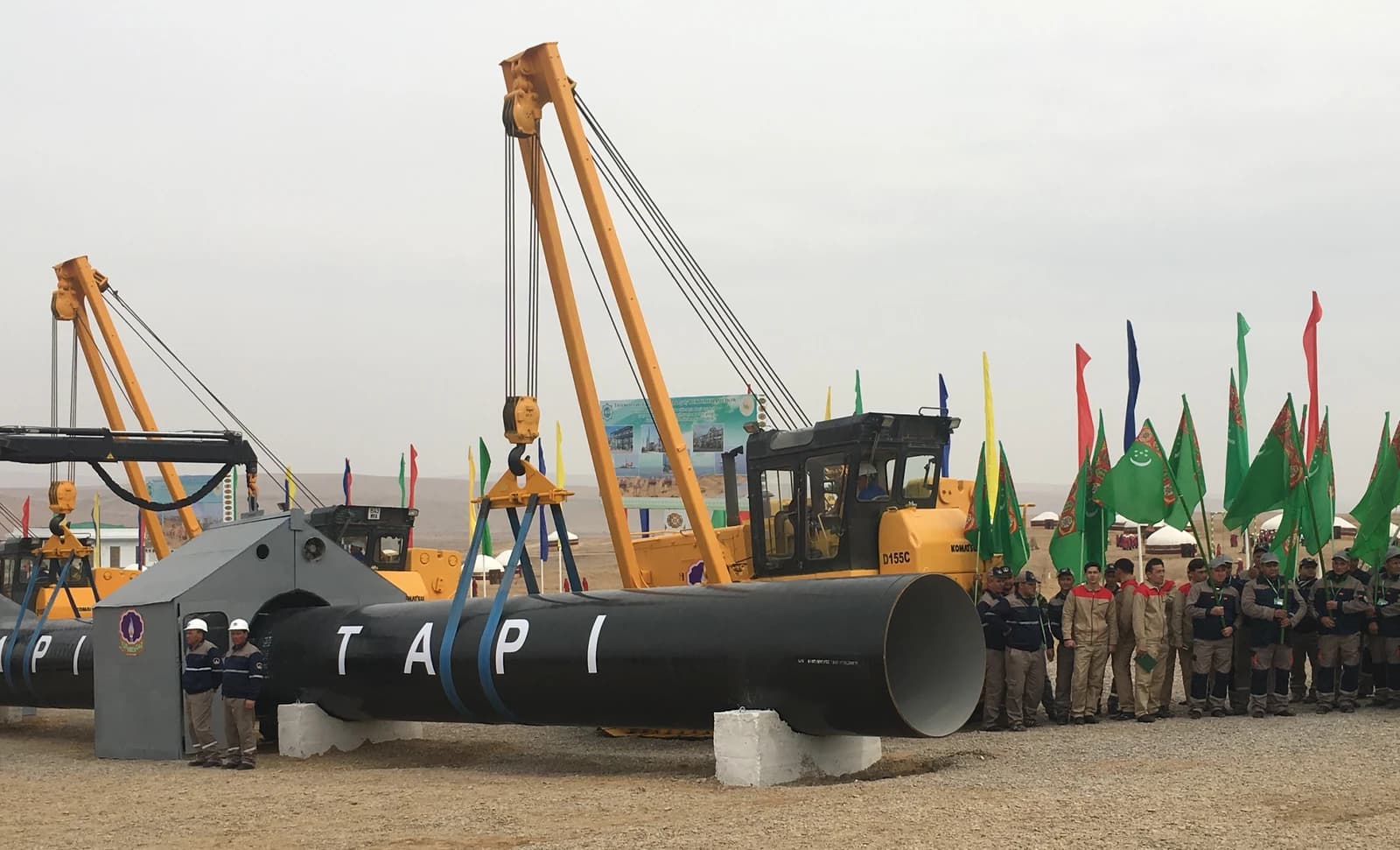
There is also a geopolitical layer. Europe’s dependence on reliable non-Russian supply has only deepened the value of alternative exporters, but access will now hinge on climate compliance as much as geology. That means Central Asian producers, pipeline builders and midstream operators could become beneficiaries of a regulatory reshaping of the gas trade.
The European Parliament’s recent support for delaying some monitoring and reporting deadlines by three years adds short-term uncertainty, but it does not change the direction of travel. Brussels is not abandoning methane scrutiny; it is refining the timetable. For exporters, that still leaves a clear countdown to 2030.
Our view is that the market underestimates how powerful this filter will become. By the end of the decade, methane performance may be as important to gas exporters as reserves and transport capacity. Turkmenistan has time to adapt, but not much. Investors should watch for capital spending on leak reduction, metering and verification across emerging gas producers, because the winners in Europe’s next gas cycle will be the ones that can sell cleaner molecules, not just more of them.
| Entity | Gains | Losses |
|---|---|---|
| Turkmenistan gas exporters | ▲EU market access | ▼High-methane status quo |
| EU importers | ▲Lower-carbon supply options | ▼Non-compliant cargoes |
| Methane-monitoring firms | ▲Higher demand for services | ▼Legacy opaque producers |
| Stranded gas rivals | ▲— | ▼Potentially excluded from EU contracts |