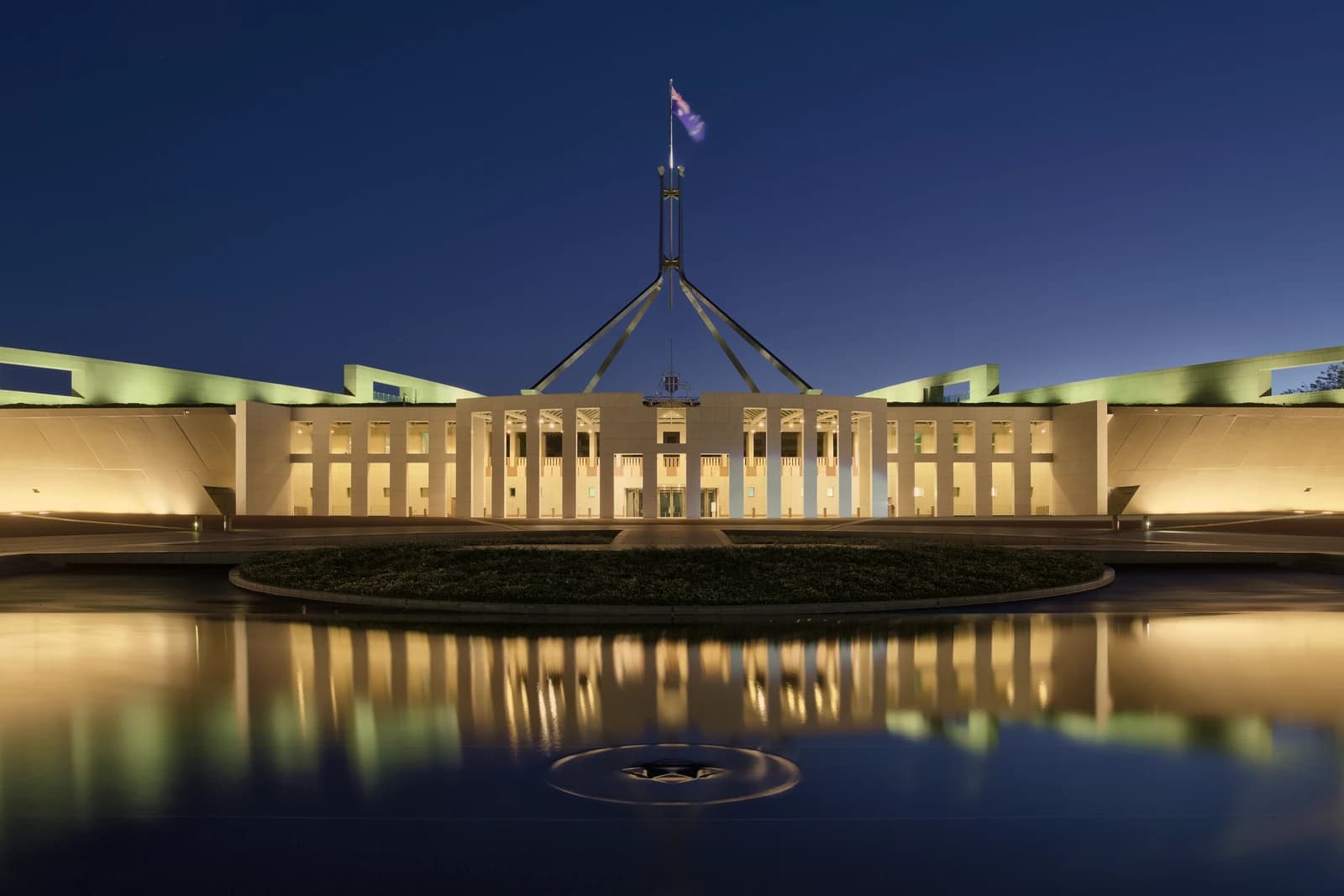
Australia’s Greens are setting up a $350 million showdown that could decide whether Treasurer Jim Chalmers can pass his long-promised overhaul of the research and development tax system when parliament returns this week.
Australia Greens challenge R&D tax overhaul

That matters because R&D incentives are not just a line item in the budget; they shape where companies choose to spend, build and hire. If the government wants to redirect generous tax support away from fossil fuel exporters and toward more targeted innovation spending, it will need either a deal with the Greens or a compromise that preserves the broader reform. Investors should be watching closely, because policy certainty is part of the return on long-term capital, especially in energy, resources and industrial technology.
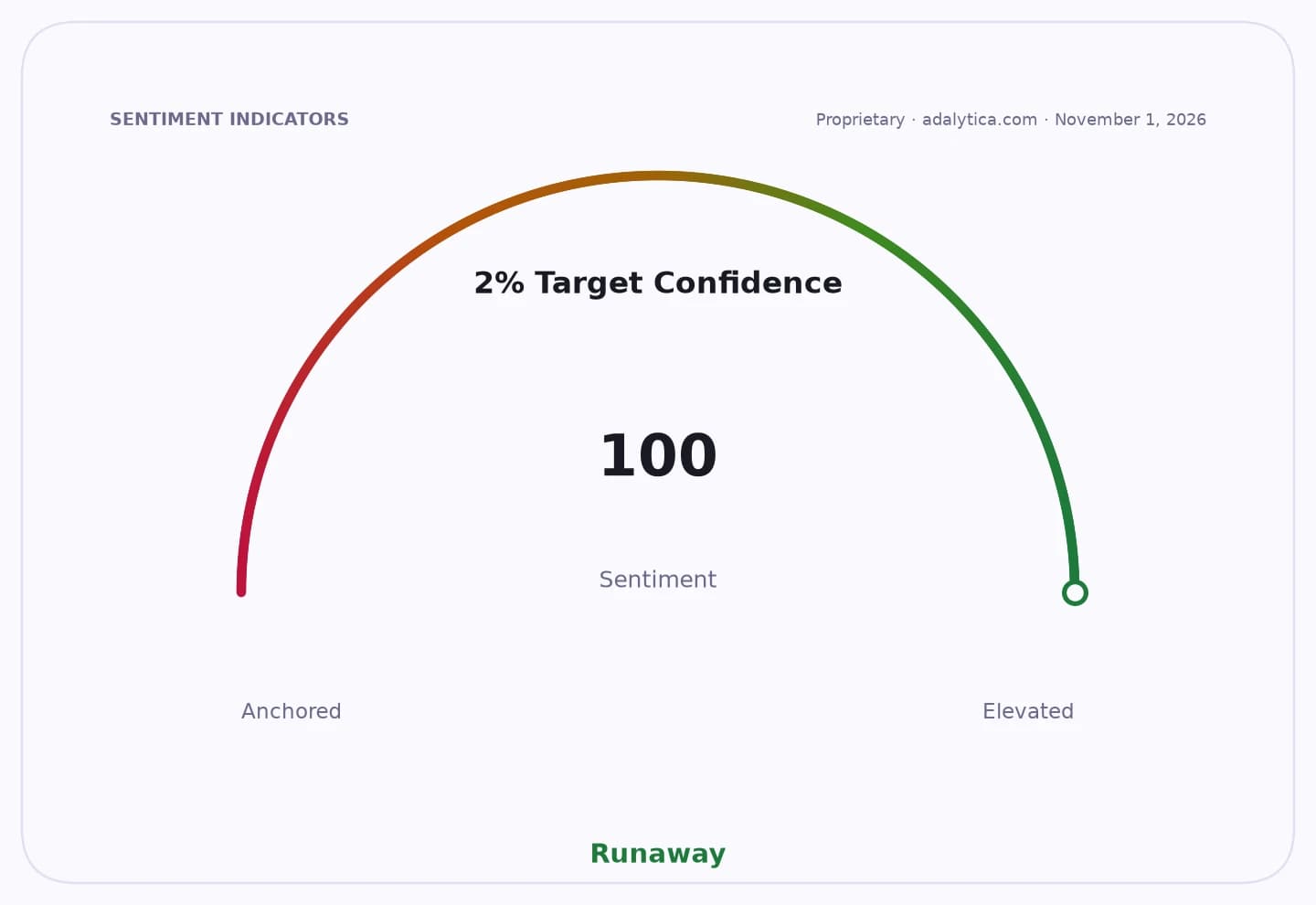
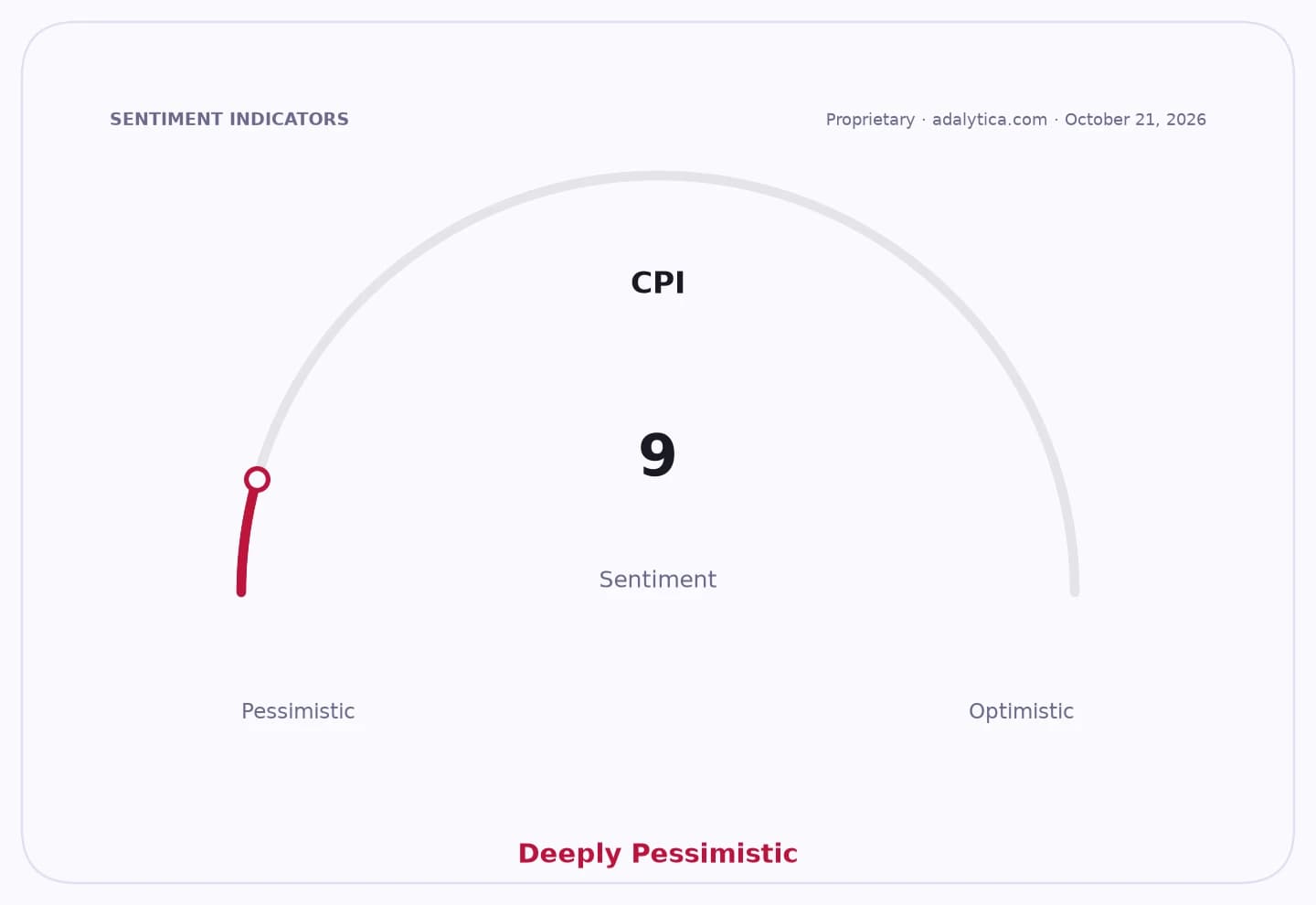
Sentiment Indicators

The Greens want $350 million a year in tax credits stripped from oil and gas exporters including Chevron, Woodside and Shell before they will consider supporting Labor’s legislation. In practical terms, that means the government’s reform agenda could be held hostage by a broader political fight over who gets subsidised to innovate — mature fossil fuel producers or the next generation of Australian businesses.
For companies with large Australian operations, the stakes are immediate. Energy majors have long relied on a policy environment that helped offset the cost of exploration and development. Taking away those credits would raise their effective tax burden and could change the economics of projects at the margin, particularly in a capital-intensive sector already facing pressure from energy transition spending, shareholder scrutiny and political risk.
For the broader market, the issue goes beyond one country’s tax code. Investors in oil and gas, infrastructure and service companies need to know whether Australia is about to become less friendly to fossil fuel capital, or whether the final deal will water down the threat. A tougher regime could trim future cash flow expectations for exporters, while a compromise would signal that Canberra still wants to keep a balance between decarbonisation rhetoric and investment reality.
The political arithmetic also matters. If Chalmers cannot secure the Greens, the overhaul could stall or be delayed, leaving the current scheme in place and extending uncertainty for firms planning multi-year research budgets. That uncertainty tends to hurt the most where investment decisions are sticky and timing-sensitive: large projects, multi-year partnerships and tax-driven capital allocation.
Longer term, this is really a story about where Australia wants to direct scarce public support. A system that channels more tax relief toward genuinely new technologies could be more productive for the economy, but only if parliament can agree on the trade-off. For investors, the takeaway is simple: this is worth watching not as a political sideshow, but as a policy battle that could reshape incentives for energy producers and the companies competing for capital.
| Entity | Gains | Losses |
|---|---|---|
| Greens | ▲Leverage over tax reform | ▼Political risk if deal fails |
| Labor / Jim Chalmers | ▲Chance to pass R&D overhaul | ▼Delay or dilution of legislation |
| Chevron, Woodside, Shell | ▲Status quo if credits survive | ▼Higher tax burden if credits are cut |
| Innovation-focused firms | ▲Better-targeted R&D support | ▼Less funding if reform stalls |