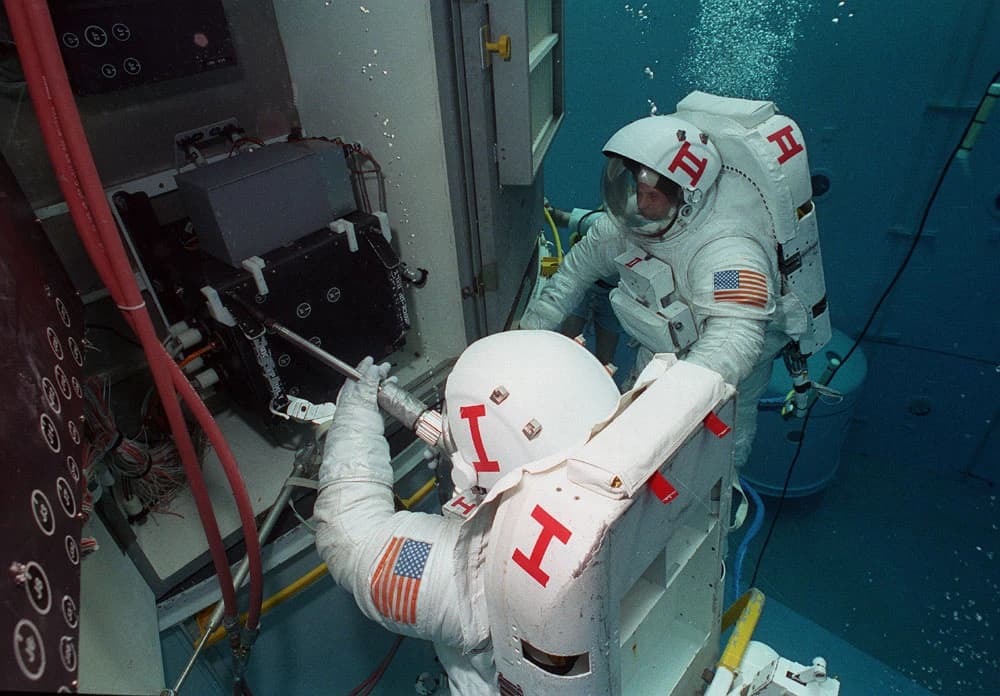
Australia is trying to keep a planned 2028 astronaut mission alive by offering the European Space Agency a counterproposal to send Katherine Bennell-Pegg to the International Space Station, in a deal that could cost more than $100 million and would be the country’s first spaceflight under its own flag.
Australia counters ESA on astronaut mission
The wager matters because it is no longer just a prestige project. For Canberra, the flight has become a test of whether public money, philanthropy and industry support can be marshaled to back a high-profile bet on the nation’s space ambitions without blowing out the budget.
Science Minister Tim Ayres said the government has already lined up more than $6 million in cash from philanthropists, plus in-kind support, and has been seeking money from business and state governments. BHP, entrepreneur Jim Whalley, Dick Smith and Novas Systems have each committed $1 million, while South Australia is the only state so far to have pledged support.
The European Space Agency first offered earlier this year to fly Bennell-Pegg, a qualified astronaut and director of space technology at the Australian Space Agency, but the agency said that package would have cost Australia more than $100 million. The government has not disclosed the value of its counteroffer, and the ESA is expected to decide later this year whether to accept it.
Supporters say the mission would lift Australia’s space industry, STEM pipeline and research profile, with Darin Lovett, chair of the Space Industry Association of Australia, calling it an investment in jobs and the next generation of scientists and engineers. Critics argue the price tag is hard to justify, especially when it would exceed the Australian Space Agency’s annual budget.
For investors, the story sits at the intersection of public funding, commercial space enthusiasm and the still-uneven economics of space tourism and launch services. Shares of Virgin Galactic and Rocket Lab have remained volatile as the sector searches for durable demand, while private and government-backed programs continue to provide the bulk of near-term revenue.
Bennell-Pegg’s training was already funded by taxpayers at a cost of $466,000 last year, underscoring how quickly the mission’s outlay has escalated from training to a multimillion-dollar national endeavor. The next catalyst is whether the ESA accepts Australia’s counteroffer and, if so, how much more Canberra can secure from private backers before the 2028 launch window.
| Entity | Gains | Losses |
|---|---|---|
| Australian government | ▲National prestige | ▼Budget flexibility |
| ESA | ▲Extra mission funding | ▼Simplest deal structure |
| Space industry backers | ▲Visibility and credibility | ▼Exposure if mission stalls |
| Taxpayers | ▲Potential STEM spillovers | ▼Higher public cost |