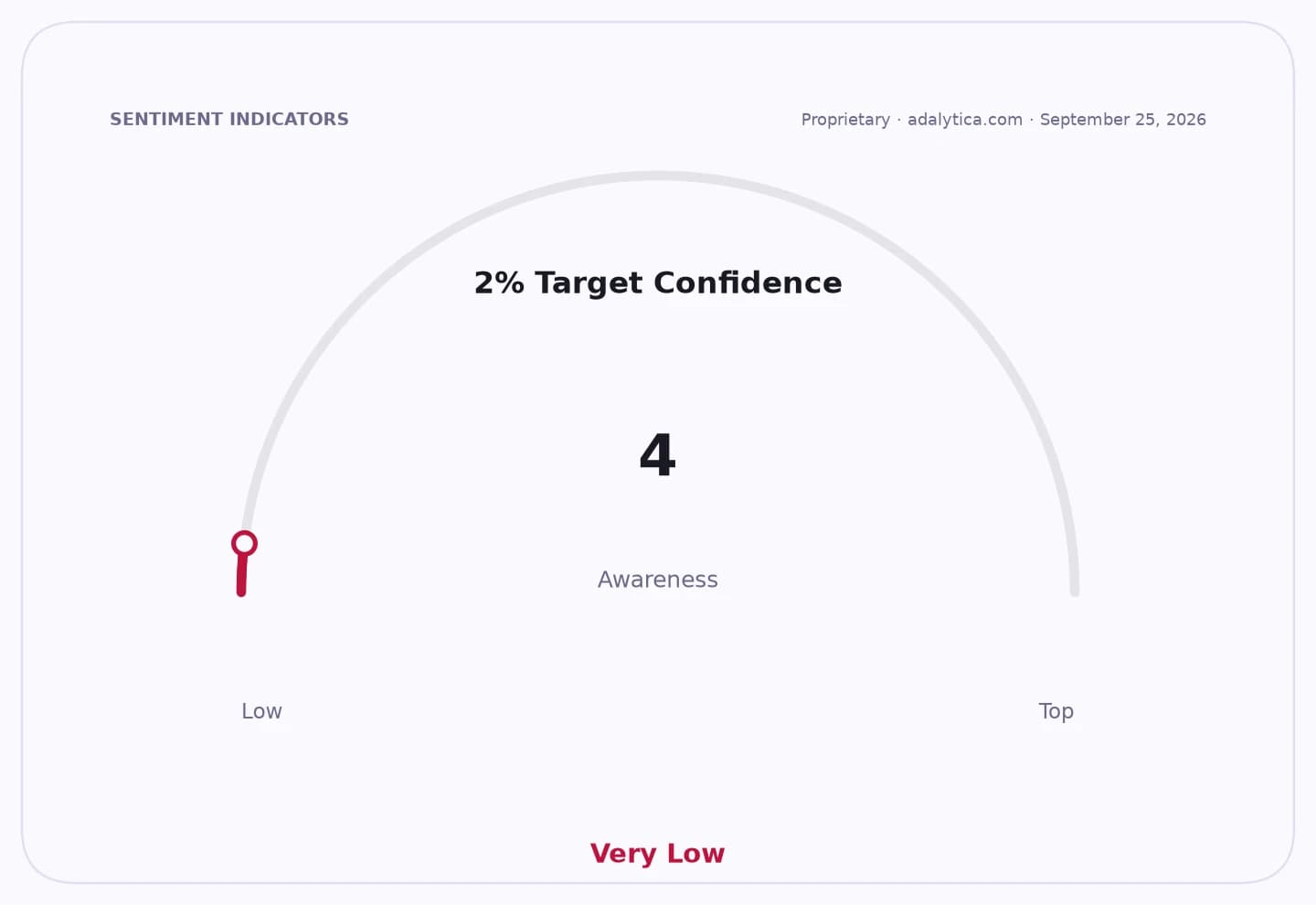
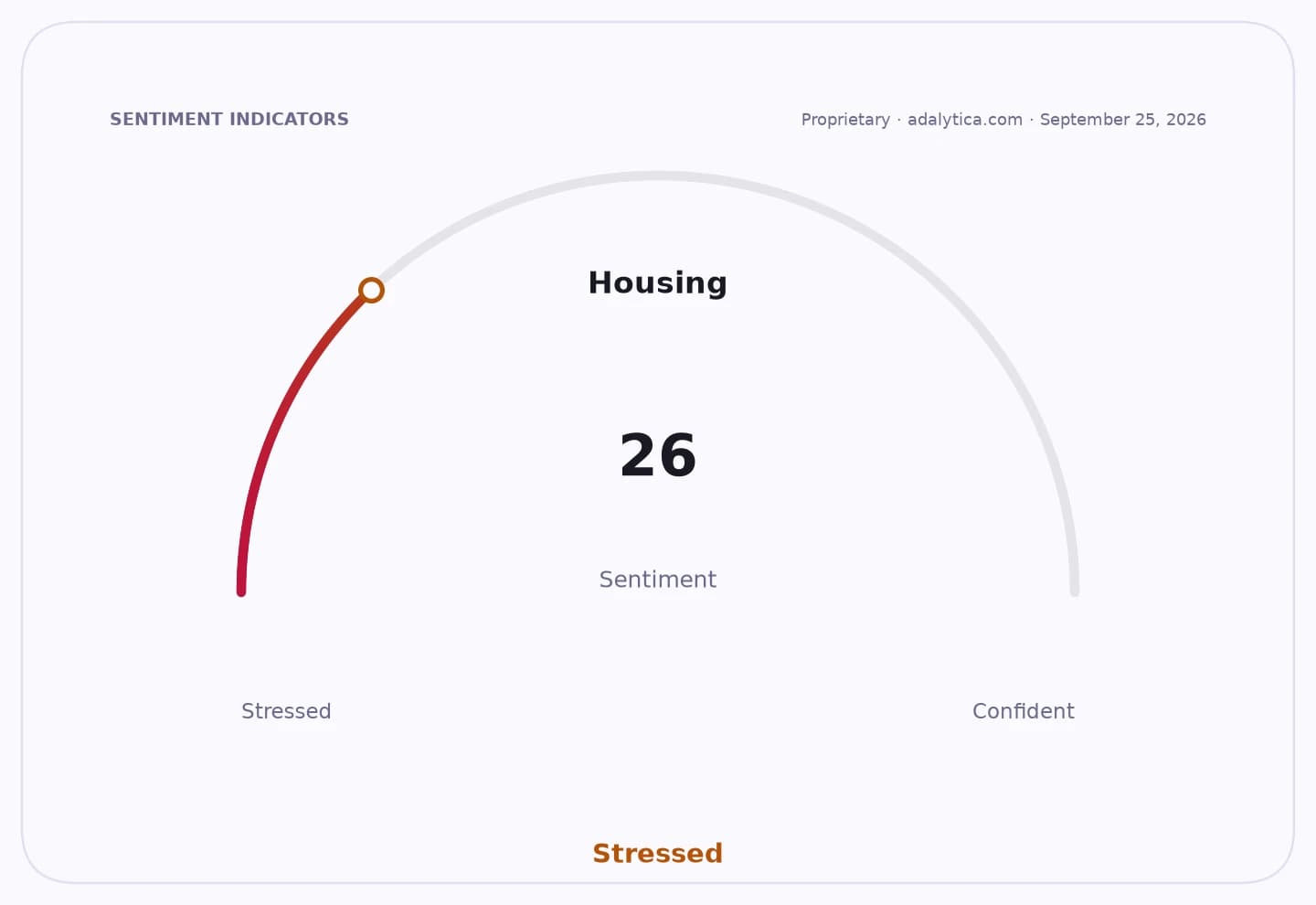
Consumers losing food-aid support is emerging as a direct hit to lower-end grocers, with independent operators at Grocery Outlet already closing stores as the pullback in SNAP benefits squeezes traffic and baskets. The risk is bigger than one company: reduced government food assistance can quickly ripple through discount chains, supermarkets and mass merchants that rely on low-income households for a steady share of sales.
SNAP Cuts Pressure Discount Grocers
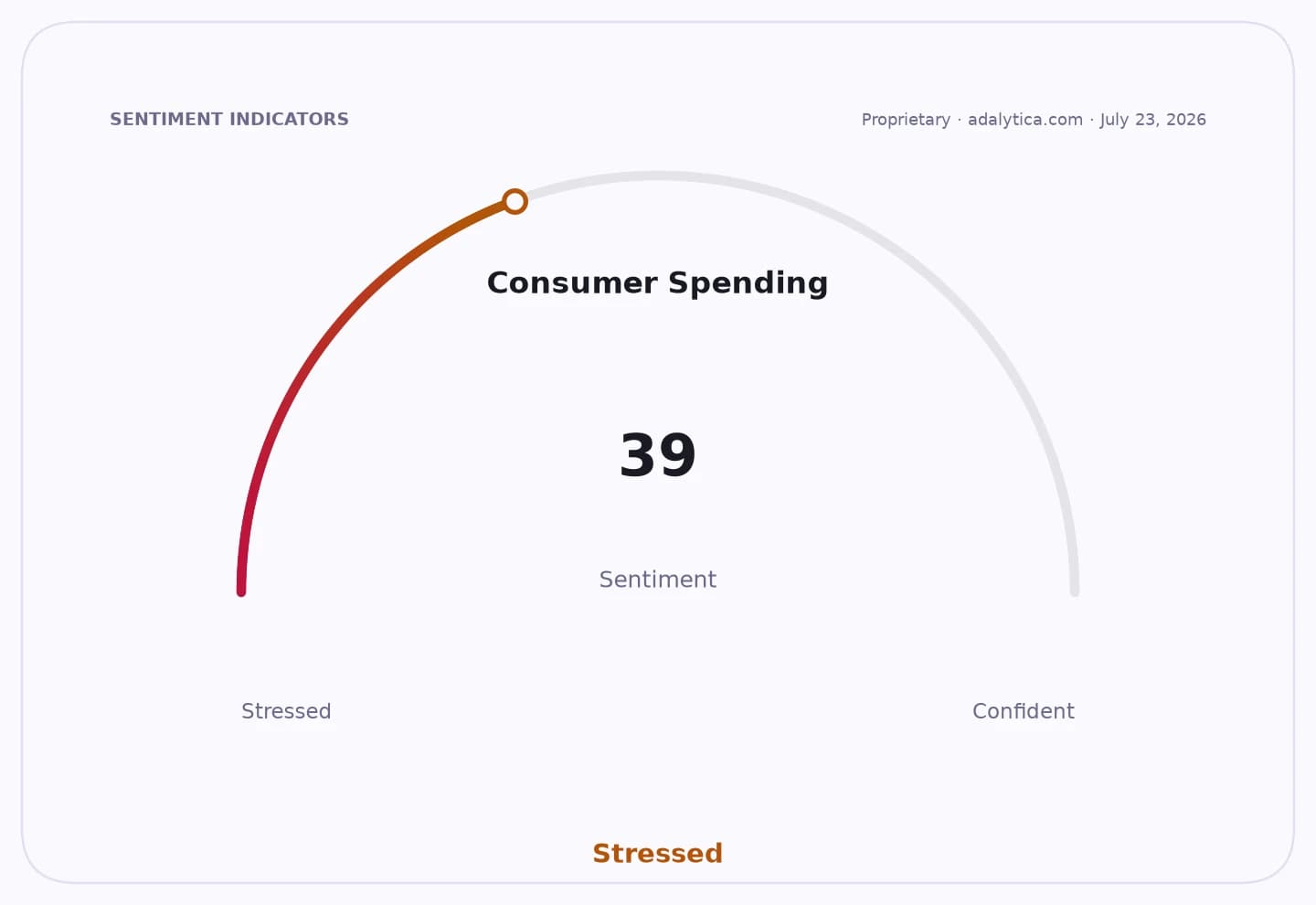
The timing matters because the macro backdrop is weakening rather than improving. The U.S. unemployment rate is still around 4.2%, with forecasts pointing to 4.18% next month, but consumer-spending sentiment has rolled over sharply and CPI anxiety is elevated, suggesting households are getting more selective even before any broader labor-market deterioration.
Sentiment IndicatorsⓘProprietary · adalytica.com · July 23, 2026
This is a snapshot — live sentiment, awareness and momentum for 130+ markets update continuously in the dashboard.Open AlphaPulse
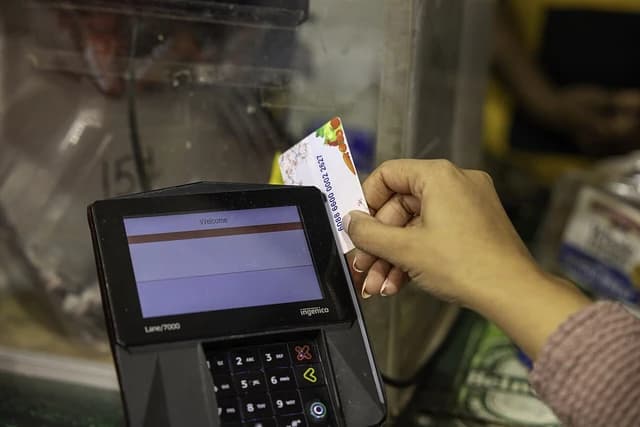
That is especially problematic for value-focused retailers. Grocery Outlet’s model depends on entrepreneurial independent operators and a neighborhood-store format that works best when shoppers make frequent, low-ticket trips; if SNAP benefits are cut or scrutinized more aggressively, those stores lose one of their most reliable customer bases. A summary of Maryland’s mistaken SNAP payments to a lottery winner and incarcerated people has only intensified the political push for tighter eligibility checks and fraud investigations, raising the odds of further pressure on the program.
Investors are already pricing in the strain across the sector. Grocery Outlet shares have swung violently and now sit below both the 50-day and 200-day moving averages, while the stock’s RSI has plunged to 7.1, underscoring how hard sentiment has turned. Kroger, another heavy exposure name, has also weakened from recent levels, while Walmart remains better positioned but is still off its recent highs after a sharp run earlier this year.
For grocers, the investment question is whether SNAP cuts become a one-off political fight or a sustained demand headwind. If benefit checks shrink, discount chains may win some share from premium retailers, but the overall pie for lower-income spending gets smaller, pressuring same-store sales, margins and store economics. The next catalyst is likely to be further policy action in Washington and any signs that weekly grocery traffic is softening in upcoming retail results.
| Entity | Gains | Losses |
|---|---|---|
| Walmart | ▲Gains trade-down traffic | ▼Loses some discretionary basket size |
| Kroger | ▲Gains defensive grocery demand | ▼Loses if SNAP shoppers cut trips |
| Grocery Outlet | ▲Gains value-seeking shoppers | ▼Loses SNAP-dependent footfall |
| SNAP program | ▲Gains fraud scrutiny | ▼Loses political support and funding stability |