Snap’s attempt to expand into business services has been abruptly blocked by authorities, underscoring how fraud allegations can now spill beyond law enforcement into direct commercial disruption for digital platforms.
Snap Fraud Probe Risks Business Expansion
The intervention by Task Force SURE, which halted the Snapboost business application after Snap was suspected of fraud, matters because it threatens a potential new revenue stream at a time when the company’s core advertising model remains under pressure. For investors, the issue is not only reputational. It raises the odds of tighter scrutiny, slower product rollout and higher compliance costs for Snap just as broader concerns about cyber fraud are pushing regulators to move faster against online platforms.
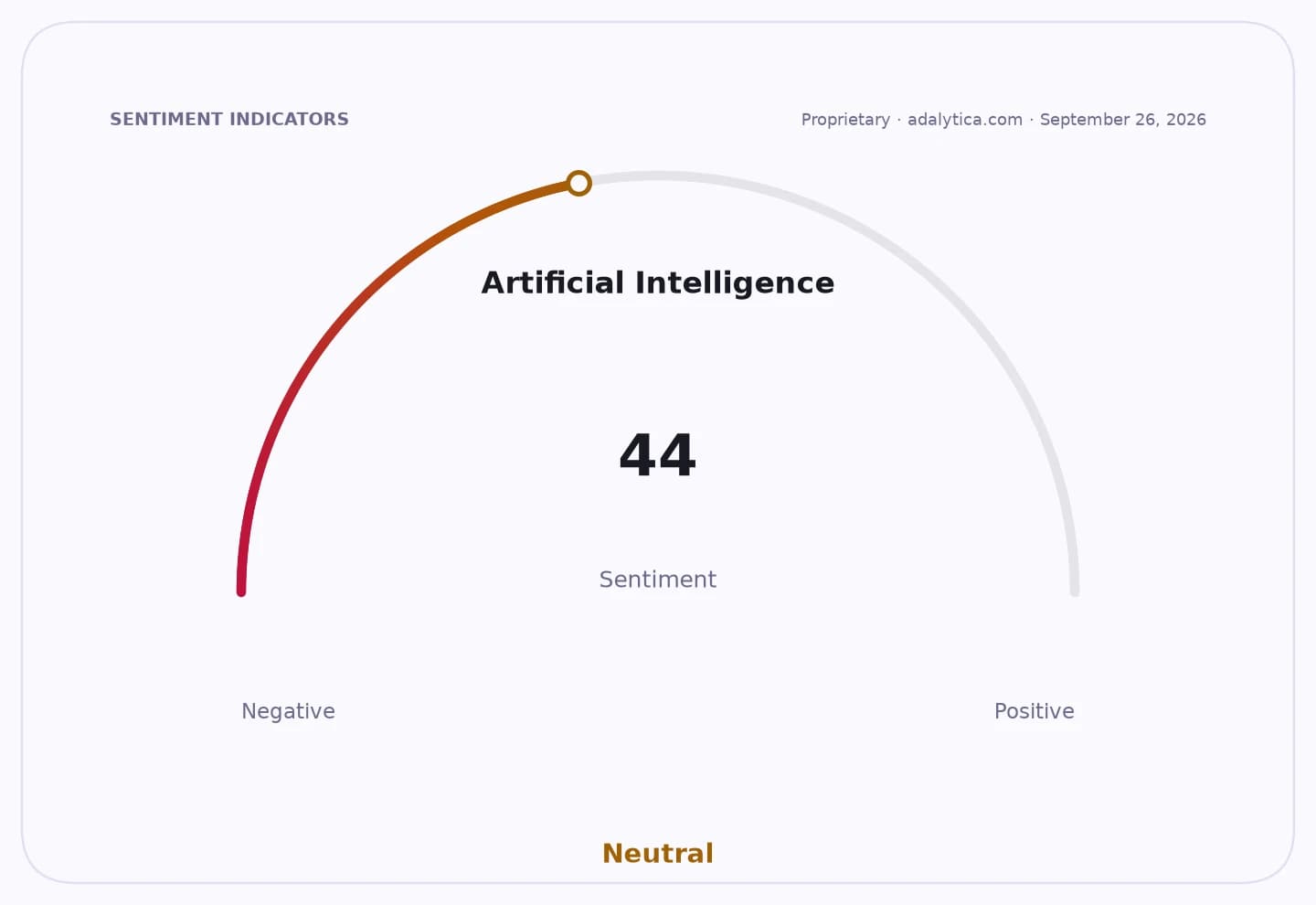
Sentiment IndicatorsⓘProprietary · adalytica.com · July 28, 2026
This is a snapshot — live sentiment, awareness and momentum for 130+ markets update continuously in the dashboard.Open AlphaPulse
The backdrop is an industrywide crackdown on platform abuse. Authorities elsewhere have been arresting suspects in large-scale SMS and money-transfer fraud schemes, and governments are rolling out new reporting tools to curb cybercrime. That trend puts social-media and messaging companies under growing pressure to prove they can police misuse of their services. Snap’s own risk disclosures have warned that bad actors may use its products for illegal activity and that security incidents, moderation failures and regulatory actions could hurt the business.
Markets have already been treating Snap as a high-risk name. The stock ended July 27 at $4.52, down sharply from earlier highs this year and sitting well below its 200-day moving average around $6.23, a sign of persistent technical weakness despite a short-lived recovery in April. Recent trading has also been volatile, with the shares bouncing from oversold territory before losing momentum again. That suggests investors remain skeptical that near-term product or growth catalysts can offset execution and compliance risk.
The blocked Snapboost application is especially important because business-facing tools are often a key way for consumer platforms to diversify away from purely ad-driven revenue. If regulators or investigators conclude that fraud concerns extend to Snap’s commercial products, the company could face delays in monetizing new offerings and a more expensive approval path for future launches. The bullish case is that the block is temporary and tied to a specific investigation rather than a structural ban. The bearish case is that it becomes another example of platform-level risk that limits Snap’s ability to broaden its business.
For shareholders, the immediate question is whether management can contain the damage before it bleeds into advertiser confidence and product expansion. For competitors, the episode reinforces the advantage of larger platforms with deeper compliance resources. If Task Force SURE’s action leads to broader scrutiny, Snap may have to spend more to prove its controls are adequate before it can win back momentum in growth areas beyond the Snapchat app.
| Entity | Gains | Losses |
|---|---|---|
| Regulators / Task Force SURE | ▲stronger enforcement | ▼slower approvals |
| Snap competitors | ▲relative advantage | ▼less impact |
| Short sellers | ▲downside catalyst | ▼risk of rebound |
| Snap shareholders | ▲possible resolution premium | ▼growth-delay risk |