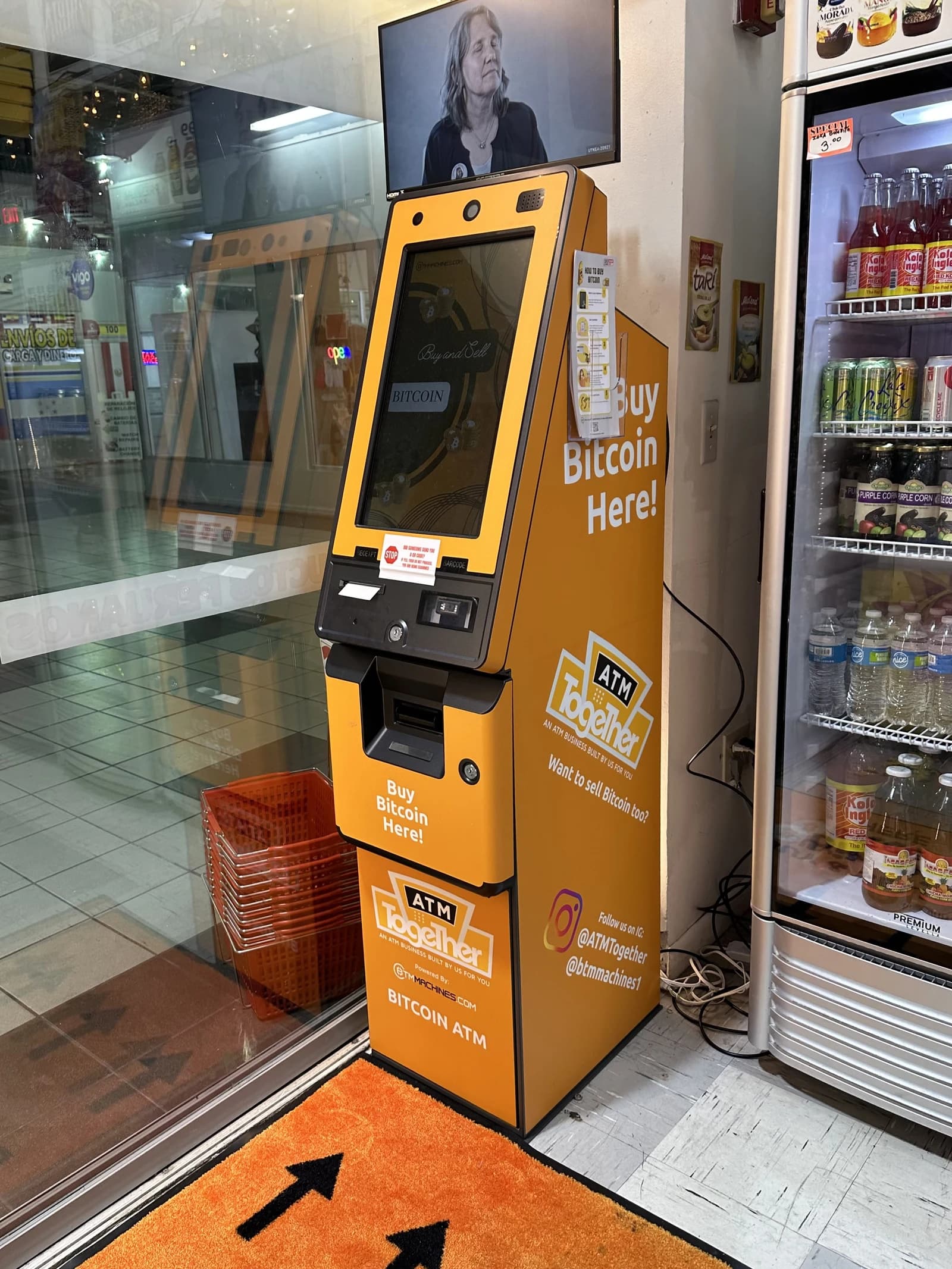
SoFi Technologies has become the first U.S. consumer bank to offer tokenized deposits, a move that could pull more everyday money into blockchain rails while keeping it inside the regulated banking system.
SoFi launches tokenized deposits with FDIC protection
The new product, SoFi Earn, or SOFIE, pays 4.4% interest and carries FDIC protection, giving the company a way to offer crypto-native users a dollar-like asset with bank backing rather than a stablecoin that sits outside the deposit system. That matters because tokenized deposits preserve one of banking’s core advantages — insured balances — while adding the fast settlement and around-the-clock transfer features that have helped stablecoins win adoption in digital asset markets.
Sentiment Indicators
For investors, the launch is less about the headline rate than the strategic positioning. SoFi is trying to turn itself into a bridge between legacy payment networks and blockchain-based money movement at a time when the industry is still debating how much yield dollar tokens should be allowed to pay. The product also gives SoFi another tool to compete for deposits, which remain a key funding source for lenders and a sensitive gauge of customer engagement. SoFi said users will be able to buy Bitcoin and other cryptocurrencies with the tokenized deposits, and the company is pitching the product to crypto firms and other businesses that already bank with SoFi and need to move funds quickly.
The launch lands as Washington remains split over the regulatory future of digital dollars. Congress recently failed to advance the Clarity Act after a provision on interest-bearing stablecoins helped derail the bill, underscoring how politically fraught the issue has become. Banks have argued that paying interest on stablecoins would undermine financial stability and drain deposits, while crypto companies say the real issue is protecting bank funding models that often pay savers very little.
SoFi’s decision also highlights the difference between tokenized deposits and stablecoins. Stablecoins such as USDC can be sent to any wallet holder globally and are backed by dollars or Treasury bills, but they do not sit within the banking system and cannot earn interest or FDIC coverage. Tokenized deposits, by contrast, are tied to the issuing bank and generally work best when both sides of a transfer have relationships with that bank, which limits their reach but keeps them squarely within existing banking rules.
The market backdrop adds another layer. SoFi shares have been volatile and, based on recent trading data, remain below their 200-day moving average even after a sharp rebound from earlier lows, suggesting investors are still treating the stock as a high-beta story rather than a clean re-rating. That makes new products important not just as feature upgrades, but as proof that the company can deepen customer relationships, widen its funding toolkit and build a differentiated franchise in digital finance.
The bear case is that tokenized deposits remain a niche product with limited network utility until more counterparties join the same system. The bull case is that SoFi has found a compliant way to package instant money movement, crypto trading and yield into one interface — a combination that could matter if digital assets keep moving closer to mainstream finance. What happens next will depend on whether consumers and business clients see enough value in a bank-backed blockchain deposit to switch from plain cash, stablecoins or traditional savings accounts.
| Entity | Gains | Losses |
|---|---|---|
| SoFi Technologies | ▲New deposit product; stronger crypto appeal | ▼Higher funding costs |
| Crypto users/businesses | ▲FDIC-backed yield option | ▼Less wallet portability |
| Stablecoin issuers | ▲Regulatory clarity pressure eases | ▼Interest-bearing competition |
| Traditional banks | ▲Proof of tokenized deposit model | ▼Deposit competition intensifies |