Solana is getting a real institutional bid, and that matters because the next leg higher will likely depend less on hype than on whether capital and usage keep compounding together.
Solana fund assets rise as RTX PayFi debut nears
US Solana investment products now hold more than $1.7 billion in assets, with a tracker showing about $1.93 billion in early October. That is not just a big number for a single altcoin; it is a sign that professional money has built a durable, fund-based route into SOL at the same time the network still has to prove that transaction activity can justify the attention. For investors, that creates a simple but powerful setup: when institutional access deepens, the market starts to reward networks that can convert capital into real onchain demand.
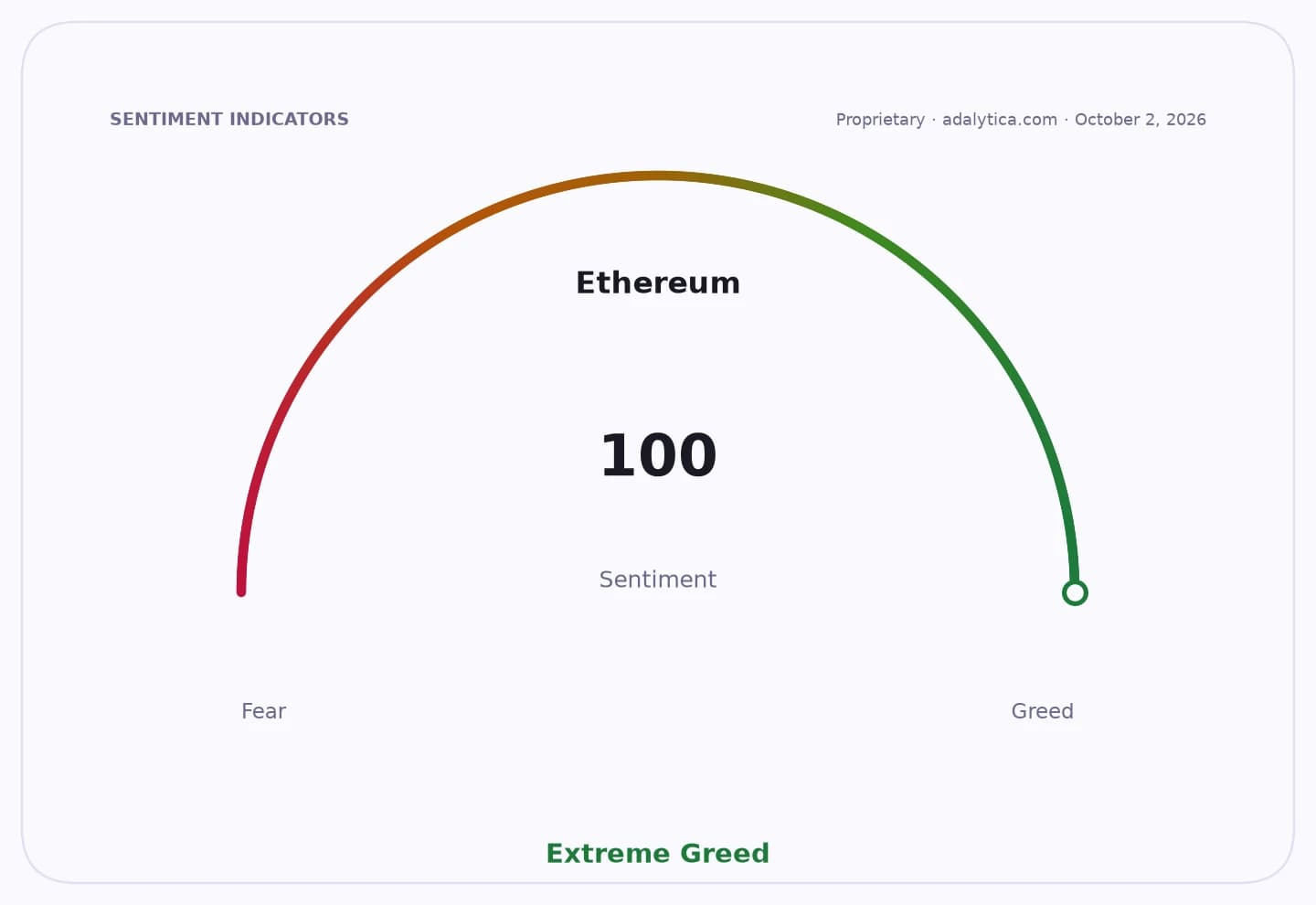
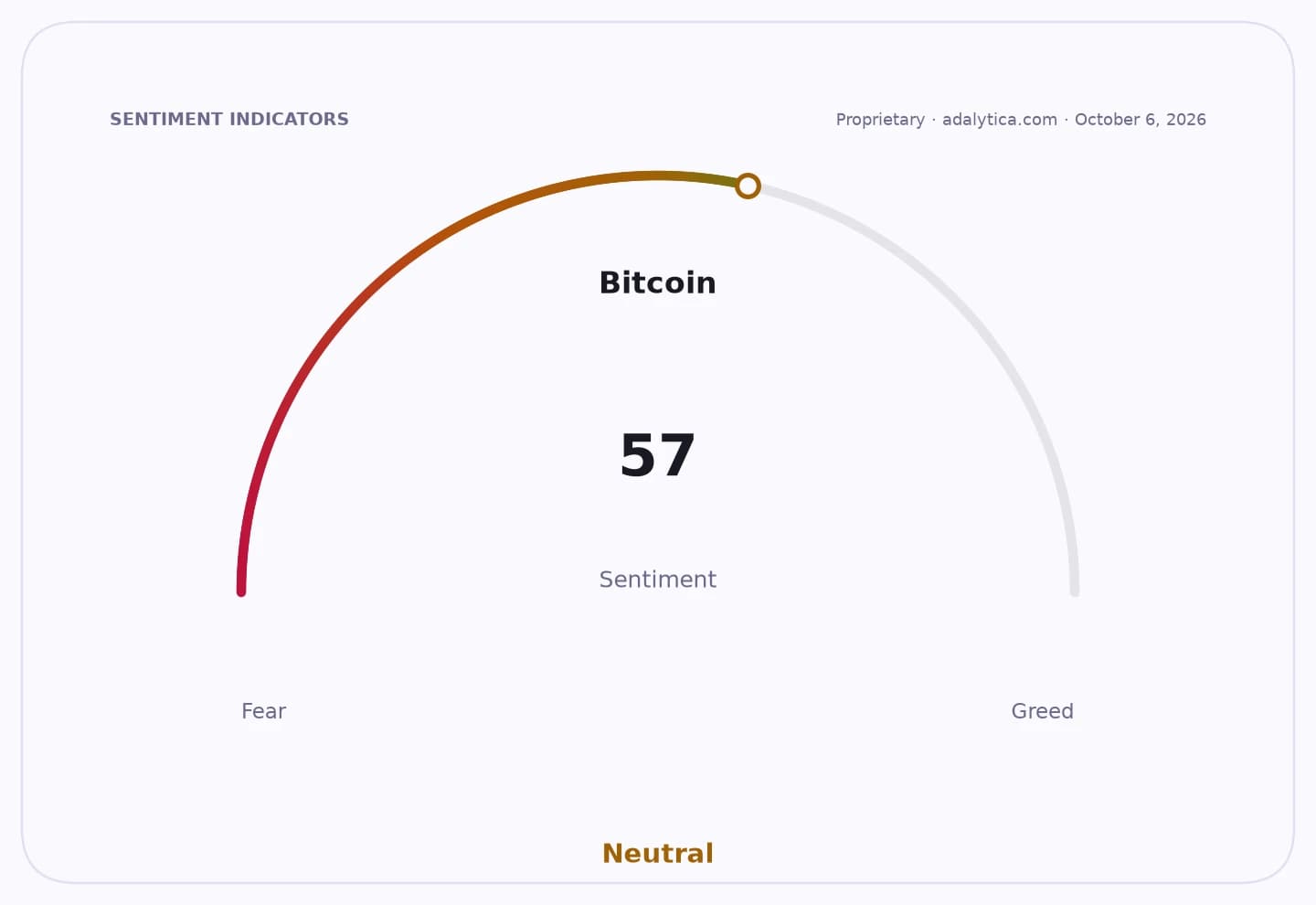
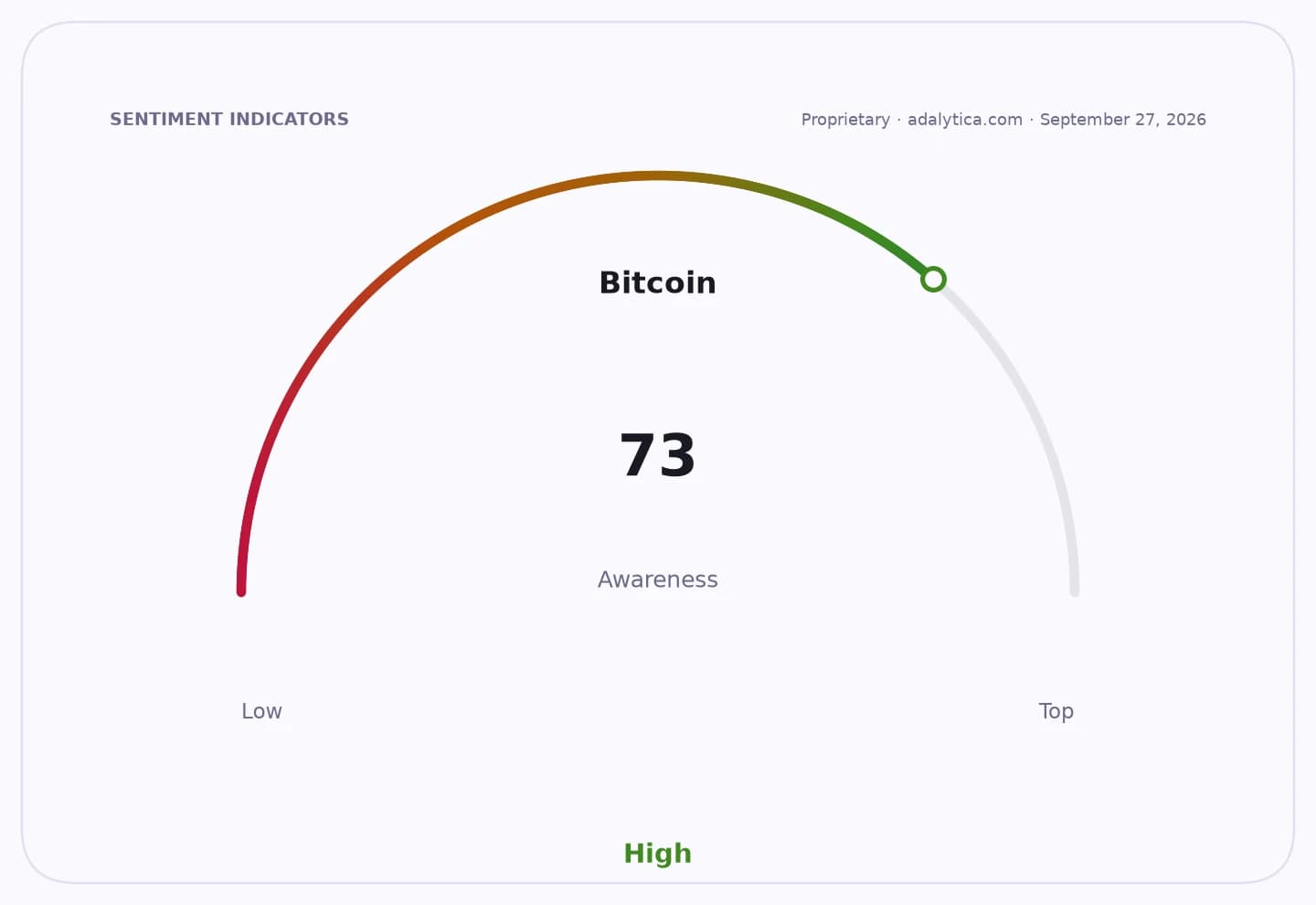
Sentiment IndicatorsⓘProprietary · adalytica.com · October 9, 2026
This is a snapshot — live sentiment, awareness and momentum for 130+ markets update continuously in the dashboard.Open AlphaPulse
The distinction between assets and flows is what matters here. Fund assets can rise with Solana’s price even if fresh money slows, so traders are watching daily subscriptions and redemptions for evidence of continued appetite. Solana’s token was last around $110.30, well below its 50-day average of $107.80 and its 200-day average of $86.53, with RSI readings near 36.9 suggesting the market is neither euphoric nor washed out. That leaves room for a rebound, but only if inflows and network use improve together.
This is where the narrative gets more interesting. Solana is becoming the institutional “high-beta” trade on crypto infrastructure, but Remittix is trying to own the everyday payments use case that still eludes much of the sector. The project says its wallet and trading platform are already live, and it has invited 1,000 existing RTX holders to test its PayFi EUR and USD crypto-to-bank flow. In plain terms, it is trying to make crypto useful for the bill-paying moment, not just the speculative one.
That matters because payments are the largest prize in digital assets. If Remittix can win even a small recurring slice of remittances and consumer transfers, the revenue and token demand profile could look far more durable than a typical presale-driven launch. The company says more than 10,000 iOS wallet downloads and over $50 million in cumulative Markets trading volume already exist, giving it an early user base to convert into repeat activity. More than 40,000 people have participated in the presale, and with a Nov. 24 RTX debut approaching, the market is being asked to judge not just a token, but a potential payments network.
For investors, the setup is asymmetric on both sides of the trade. Solana offers the more established institutional vehicle, backed by fund assets and an existing ecosystem of fast transactions and active onchain markets. Remittix offers the earlier-stage optionality: if PayFi becomes a genuine onramp for transfers, wallets and future earn products, the ecosystem could expand beyond the original presale audience and into real user behavior. That is the kind of second-order growth that tends to get underpriced until it is obvious.
The broader crypto takeaway is that capital is moving toward infrastructure with clear utility. Solana shows how institutional access can deepen a token’s investability; Remittix is testing whether everyday payments can create the kind of sticky demand that turns speculative interest into habit. If the next few weeks bring continued Solana fund inflows and visible PayFi usage growth, both assets could benefit from a single market theme: the shift from narrative to necessity.
My view is that investors should treat Solana as the liquid institutional benchmark and Remittix as the higher-risk, higher-upside payments wager. The opportunity is not just owning crypto exposure — it is positioning for the platforms that can turn fund flows and user activity into compounding demand.
| Entity | Gains | Losses |
|---|---|---|
| Solana funds | ▲Institutional inflows | ▼Momentum stalls |
| SOL holders | ▲Broader access, price support | ▼Weak daily fund flows |
| Remittix / RTX | ▲Early user adoption | ▼Proving PayFi usage |
| Competing payment tokens | ▲— | ▼Attention and capital flow to utility plays |